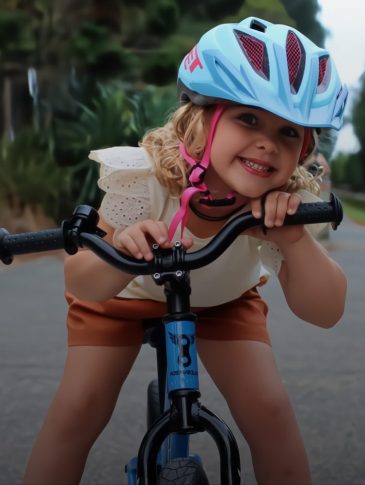
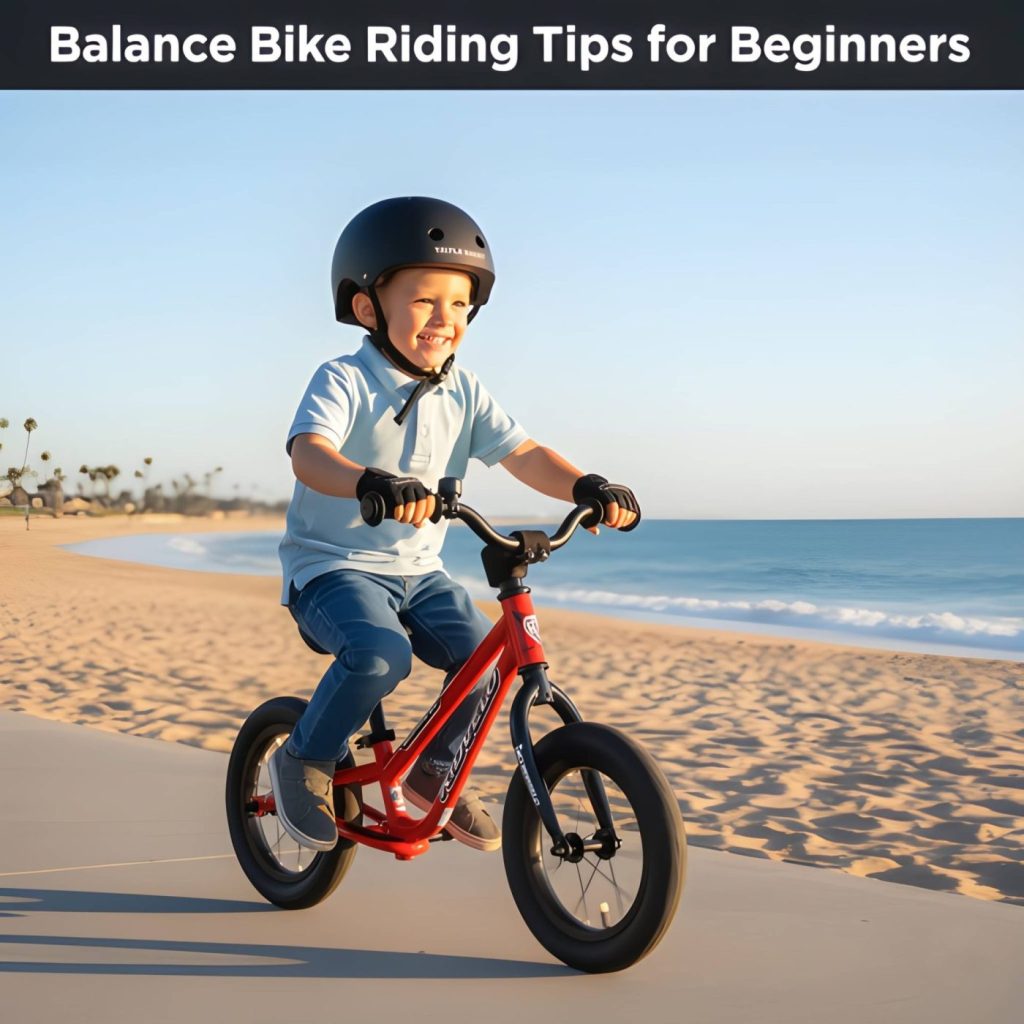
There’s nothing quite like watching your child ride independently for the very first time. The excitement, confidence, and sense of freedom they gain is one of the biggest milestones in early childhood.
For many Australian families, balance bikes have become the easiest and most effective way to teach kids how to ride. Unlike traditional bikes with training wheels, balance bikes help children learn the most important cycling skill first — balance.
At Xchange Sports Australia, we’ve helped countless parents choose the right beginner bikes for their children. In this complete learn-to-ride guide, we’ll share expert balance bike riding tips for beginners so your child can build confidence, improve coordination, and enjoy learning to ride safely.
What Is A Balance Bike?
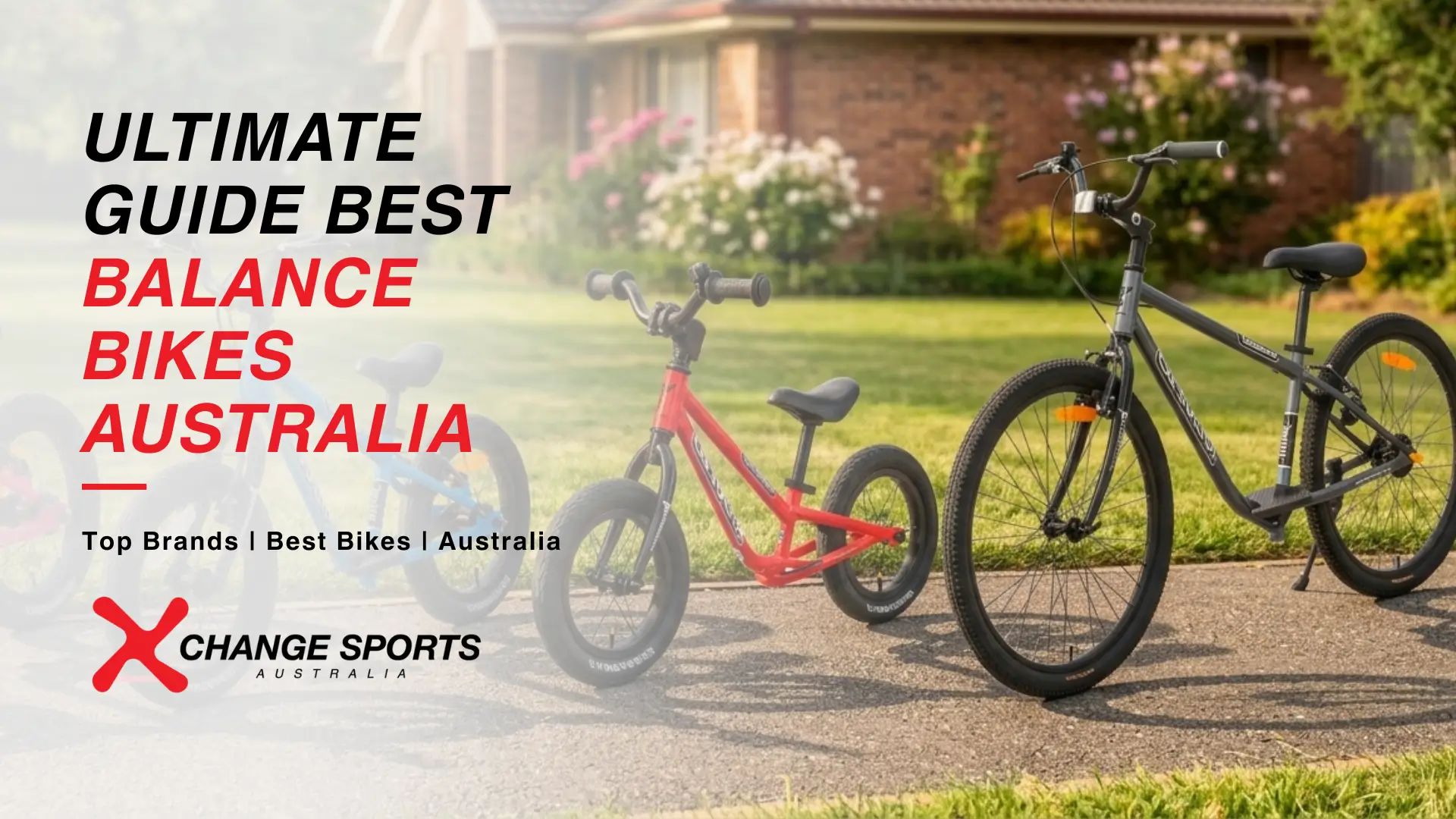
A balance bike is a small two-wheeled bike designed without pedals or training wheels. Children use their feet to push themselves along while learning how to balance and steer naturally.
The idea behind balance bikes is simple:
- Kids learn balance first
- Pedalling comes later
- Riding becomes easier and less stressful
Because there are no pedals getting in the way, children can focus entirely on controlling the bike and developing coordination at their own pace.
Most children naturally progress from:
- Walking the bike
- Scooting
- Gliding
- Riding confidently
This creates a much smoother learning experience compared to traditional training wheels.
Why Balance Bikes Are Better Than Training Wheels
For years, training wheels were considered the standard way to teach kids to ride. Today, most cycling experts and parents agree that balance bikes are a far better option.
Training Wheels Teach The Wrong Balance
Training wheels prevent children from learning how to lean and balance properly. Kids often become dependent on the side wheels and struggle once they are removed.
Balance bikes teach:
- Natural steering
- Proper balance
- Coordination
- Confidence
- Body control
These are the exact skills children need for riding a pedal bike successfully.
Kids Learn Faster
Many children who use balance bikes can transition to a regular pedal bike without ever needing training wheels.
Once a child can glide comfortably with their feet up, adding pedals becomes much easier because they already understand how to balance.
More Confidence, Less Fear
Balance bikes keep children lower to the ground, which makes riding feel safer and less intimidating.
Kids can:
- Put their feet down instantly
- Control their own speed
- Stop themselves naturally
This helps reduce fear and frustration during the learning process.
Choosing The Right Balance Bike For Beginners
Choosing the correct bike can make a huge difference in how quickly and confidently your child learns.
Make Sure The Bike Fits Properly
The most important rule is simple:
Your child’s feet should sit flat on the ground while seated.
A correctly fitted balance bike allows kids to:
- Push off comfortably
- Stop safely
- Build confidence faster
If the bike is too tall or too heavy, learning becomes much harder.
Lightweight Bikes Matter
One of the biggest mistakes parents make is choosing a heavy bike.
Lightweight balance bikes are easier for children to:
- Control
- Steer
- Turn
- Pick up
- Glide on
At Xchange Sports Australia, we always recommend lightweight beginner bikes because they make riding far more enjoyable for young children.
Features To Look For
When shopping for a beginner balance bike, look for:
- Adjustable seat height
- Lightweight frame
- Comfortable grips
- Durable tyres
- Footrests
- Optional hand brakes
These features help improve comfort, safety, and confidence while learning.
Safety Tips Before Your Child Starts Riding
Safety always comes first when teaching kids to ride.
Always Wear A Helmet
A properly fitted helmet is essential every time your child rides — even during short practice sessions.
The helmet should:
- Sit level on the head
- Fit snugly
- Not move around excessively
Choose Safe Riding Areas
The best places for beginners include:
- Quiet parks
- Smooth footpaths
- Empty basketball courts
- Flat grassy areas
- Cul-de-sacs
- Open playground spaces
Avoid steep hills, busy roads, or rough terrain while your child is still learning.
Wear The Right Clothing
Closed-toe shoes are important for safe stopping and pushing.
Comfortable clothing that allows movement will also help children ride more freely and confidently.
Step-By-Step Guide: How To Ride A Balance Bike
Every child learns differently, but most beginners follow the same natural progression.
Step 1: Start By Walking The Bike
Before riding, let your child simply walk while sitting on the bike.
This helps them:
- Get comfortable with the bike
- Understand steering
- Feel stable and secure
There’s no need to rush this stage.
The goal is confidence.
Step 2: Learn To Scoot
Once comfortable walking, encourage your child to push off gently with their feet.
At this stage they begin:
- Moving faster
- Steering independently
- Developing coordination
Keep practice sessions short and fun.
Young children learn best when riding feels like play rather than a lesson.
Step 3: Practice Gliding
Gliding is the breakthrough moment.
This happens when children begin lifting their feet off the ground for short periods while balancing on their own.
Many parents are surprised how naturally this develops once kids gain enough confidence and momentum.
A few important tips:
- Encourage small glides first
- Practice on flat surfaces
- Avoid pushing too hard
- Celebrate small improvements
Once kids can glide consistently, they are well on their way to riding a pedal bike.
Step 4: Learn Turning And Steering
After balancing improves, children start learning how to:
- Turn smoothly
- Ride around obstacles
- Control direction confidently
Simple games can help make this fun:
- Chalk lines
- Small cones
- Figure-eight riding
- Slow steering challenges
Encourage children to look ahead instead of down at their feet.
This improves balance and bike control dramatically.
Step 5: Learning How To Stop Safely
Most beginners stop naturally using their feet.
As confidence improves, children learn to:
- Slow themselves gradually
- Control speed
- Use hand brakes if fitted
Practising stopping is just as important as practising balance.
Step 6: Build Confidence With Regular Practice
Consistency matters more than long sessions.
Short daily rides are often more effective than occasional long practice sessions.
The key is keeping riding:
- Fun
- Positive
- Pressure-free
Some children learn very quickly, while others take more time.
That’s completely normal.
Common Mistakes Parents Make When Teaching Kids To Ride
Even with the best intentions, a few common mistakes can slow down progress.
Choosing A Bike That’s Too Big
Parents often buy oversized bikes hoping children will “grow into them.”
Unfortunately, oversized bikes are harder to control and can reduce confidence quickly.
Practising On Difficult Terrain
Steep hills, rough gravel, or crowded areas can overwhelm beginners.
Flat, smooth surfaces are best for early learning.
Pushing Kids Too Hard
Confidence develops naturally over time.
Pressuring children or comparing them to siblings and friends can create anxiety around riding.
Holding The Bike Constantly
Children learn balance by feeling the bike move naturally underneath them.
Too much physical support can actually slow down development.
How Long Does It Take A Child To Learn On A Balance Bike?
Every child develops at their own pace.
Some children begin gliding within a few days, while others may take several weeks or months.
The biggest factors are:
- Confidence
- Consistency
- Bike fit
- Practice opportunities
Remember:
Learning to ride is not a race.
The goal is building lifelong confidence and enjoyment on a bike.
When Should Kids Transition To A Pedal Bike?
Most children are ready for a pedal bike once they can:
- Glide confidently
- Coast with feet up
- Steer smoothly
- Stop safely
- Balance for long distances
One of the biggest advantages of balance bikes is that many kids can skip training wheels completely.
Tips For An Easy Transition
When moving to pedals:
- Choose a lightweight pedal bike
- Lower the seat initially
- Start on flat ground
- Keep the experience relaxed and fun
Because children already understand balance, pedalling is usually the easy part.
What Age Should Kids Start Using A Balance Bike?
Most children can start using a balance bike between 18 months and 2 years old.
General age guide:
- 18 months–2 years: introduction stage
- 2–4 years: ideal learning age
- 4–6 years: confidence building and pedal transition
The most important factor is not age — it’s whether the child feels comfortable and excited to ride.
Why Parents Across Australia Choose Xchange Sports
At Xchange Sports Australia, we understand that every child learns differently.
That’s why we focus on:
- Lightweight kids bikes
- Beginner-friendly balance bikes
- Safe, confidence-building designs
- Expert advice for parents
- Quality bikes built for real family use
Whether your child is just starting out or getting ready for their first pedal bike, our team is passionate about helping Australian families find the perfect ride.
Frequently Asked Questions
Are Balance Bikes Really Easier Than Training Wheels?
Yes. Balance bikes teach children the core skill of balancing first, which usually leads to faster and smoother learning.
What Age Should A Child Start Riding A Balance Bike?
Most children begin between 18 months and 2 years old, depending on confidence and coordination.
Do Kids Still Need Helmets On Balance Bikes?
Absolutely. Helmets should always be worn whenever children are riding.
How Do I Know If The Bike Fits Correctly?
Your child should be able to place both feet flat on the ground while seated comfortably.
Can Kids Skip Training Wheels Completely?
Yes. Many children who learn on balance bikes transition directly to pedal bikes without needing training wheels.
Final Thoughts
Learning to ride should be exciting, rewarding, and fun.
Balance bikes help children build confidence naturally while developing the coordination and balance skills needed for independent riding.
With the right bike, a safe riding environment, and plenty of encouragement, most children learn far more easily than parents expect.
If you’re looking for expert advice and high-quality beginner bikes, explore the range at Xchange Sports Australia and help your child start their riding journey with confidence.