Scooters
Kids, Youth & Adult Scooters Built for Every Stage of Riding
Discover Scooters designed to help kids build balance, coordination and confidence while enjoying active outdoor play. From first scooters for beginners to advanced models for growing riders, our range is built for safety, stability and everyday adventure.
✓ Flat Rate Shipping Australia-Wide • ✓ 30-Day Love Your Ride Guarantee • ✓ Australian Family-Owned Business • ✓ Secure Payments & Checkout

Trusted and Loved by Hundreds of Happy Parents and Grandparents!
Kids 3 Wheel Scooters (Tri Scooters)
Rated 5.00 out of 5 based on 3 customer ratings(3)This product has multiple variants. The options may be chosen on the product page$119.00Original price was: $119.00.$109.00Current price is: $109.00.- This product has multiple variants. The options may be chosen on the product page
$239.95Original price was: $239.95.$229.00Current price is: $229.00. - This product has multiple variants. The options may be chosen on the product page
$239.95Original price was: $239.95.$229.00Current price is: $229.00. - This product has multiple variants. The options may be chosen on the product page
$119.95Original price was: $119.95.$99.95Current price is: $99.95. - Get notified This product has multiple variants. The options may be chosen on the product page
$199.00Original price was: $199.00.$179.00Current price is: $179.00.  $34.95This product has multiple variants. The options may be chosen on the product page
- This product has multiple variants. The options may be chosen on the product page
$19.95Original price was: $19.95.$14.95Current price is: $14.95. - $29.95This product has multiple variants. The options may be chosen on the product page
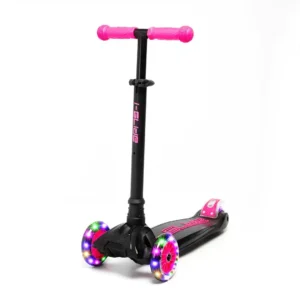
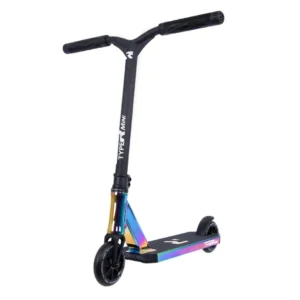
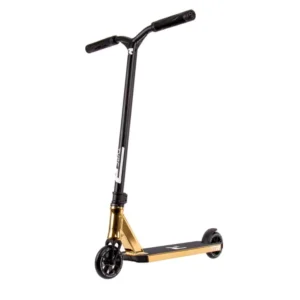
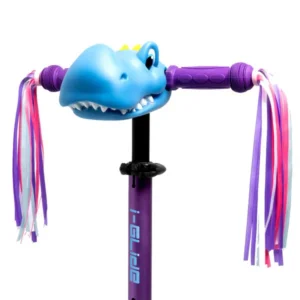
Showing all 9 resultsSorted by latest
Frequently Asked Questions of Scooters
The best scooters for adults often feature larger wheels, sturdy construction, adjustable handlebars, and weight capacity suitable for adults. Popular adult scooter brands include Razor, Segway, I-Glide, Globber, Root Industries and Micro Scooters.
Scooter prices can vary widely based on brand, features, and quality. On average, adult scooters range from around $100$ to $500$ or more, depending on the type and brand.
Push scooters can provide a low-impact form of exercise, especially for working on balance, core strength, and lower body muscles. They are a fun way to stay active and can be a good addition to an exercise routine.
Kick scooters and push scooters are often used interchangeably to refer to scooters propelled by the rider’s foot pushing on the ground. Some people may consider push scooters to be those designed more for commuting or longer distances, while kick scooters may be seen as more recreational or for stunts.
Regular maintenance for a 2-wheel scooter includes checking and tightening screws, keeping the wheels clean and properly inflated, lubricating moving parts, and inspecting the brake system. Refer to your scooter’s manual for specific maintenance instructions.
The rules regarding the use of push scooters on public roads vary by location. In general, many places classify push scooters as pedestrians and allow them on sidewalks, bike lanes, or some roads. Always check local laws and regulations before riding on public roads.
Essential safety gear for scooter riding includes a helmet, knee pads, elbow pads, and wrist guards. Wearing bright or reflective clothing can also increase visibility, especially when riding in low light conditions.
In most areas, scooters are permitted on sidewalks as long as riders are considerate of pedestrians. Some cities may have regulations prohibiting scooters on sidewalks in certain areas, so it’s important to be aware of local rules.
Weight limits for scooters can vary, but many adult scooters have weight capacities ranging from 100kg to 136kg. It’s crucial to check the manufacturer’s specifications for the specific scooter model you are using to ensure safe and proper usage.
Looking For Adventure and Insider Tips?
Here you’ll find tons of ideas and inspiration to make bike riding or skating with your child, even more fun!
Why Choose Our Quality Products For Your Child?
Scooter Brands We Stock in Australia
We don’t stock every scooter brand on the market — we stock the ones we’d put our own kids on. Here’s what’s in the range and who each brand suits.
i-Glide — the backbone of our kids range. Lightweight aluminium decks, lean-to-steer steering and LED light-up wheels, sized for riders from around 18 months to 8 years. If you’re buying a first scooter, start with the i-Glide 3 wheel scooters.
Root Industries — Australian-designed complete scooters for kids moving beyond their first ride. The Type R Mini suits children stepping onto two wheels; the Type R Pro is a genuine skatepark-ready build. Both sit in our pro scooters range.
Triple 8 — helmets, pads and complete kids skateboards. Dual-certified protection to pair with any scooter in the range.
Every brand we carry is backed by a warranty, spare parts and Australian support — so a worn brake or a bent bar means a repair, not a new scooter.
Which Scooter Suits Your Child’s Age?
Scooter fit is about balance and confidence more than height alone. Use this as a starting point, then check the deck height and handlebar range on the product page.
| Age | Best setup | Why | Shop |
| 1–4 years | 3 wheels, lean-to-steer | Two front wheels hold the scooter upright while your child learns to push and glide | Scooters for 1-4 year olds |
| 3–6 years | 3 wheels, adjustable bars | Bars grow with them; a wide deck keeps both feet planted | Scooters for 3-6 year olds |
| 5–8 years | 2 or 3 wheels, rear brake | Most kids are ready for two wheels once they ride a balance bike confidently | Scooters for 5-8 year olds |
| 9+ years | 2 wheel or complete pro | Stronger decks and larger wheels for park riding and getting around | Scooters for 9+ Teenagers |
If your child sits between two stages, size up. Adjustable handlebars mean a scooter bought at five usually still fits at seven.
Scooters For All Ages: Finding the Perfect Ride for Every Generation
Scooters have become one of the most popular ways for Australian kids to get outdoors, get moving and get to school. From toddlers taking their first push to teens riding the local park, there’s a scooter built for every stage. This guide covers the best options by age group and the factors worth checking before you buy
Scooters for Children
When it comes to scooters for children, safety and ease of use are paramount. Here are some key features to look for in children’s scooters:
Easy-to-Use Scooters for Toddlers
For the youngest riders, look for scooters with:
- Wide, stable bases
- Three wheels for better balance
- Low-to-the-ground design
- Adjustable handlebars to grow with your child
- Lean-to-steer steering, so they turn by shifting weight rather than twisting the bars
Browse our toddler scooters for ages 1–4.
Children’s Scooters with Handle Brakes
As children grow and become more confident, consider scooters with:
- Hand-operated brakes for better control
- Slightly narrower decks for improved maneuverability
- Larger wheels for smoother rides on various surfaces
Remember to always supervise young children when they’re riding and ensure they wear proper safety gear.
Scooters for Older Kids and Teens
Teenagers and young adults often use scooters for both transportation and recreation. Here are some features to consider:
- Foldable designs for easy storage and portability
- Larger wheels for a smoother ride and higher speeds
- Sturdier construction to support heavier weights
- we don’t stock electric scooters, and this line is pulling electric-scooter searches the range can’t serve
- Complete pro builds with reinforced decks and forks for park and street riding
Best Scooters for Families with Teens
When choosing scooters for families with teenagers, look for:
- Adjustable handlebars to accommodate different heights
- Durable materials that can withstand frequent use
- A complete build rather than a budget department-store scooter — bearings, bars and brakes are what fail first
See the pro scooters range for riders nine and up
Commuter Scooters for School and Getting Around
Adults are increasingly turning to scooters for commuting and leisure activities. Here are some key considerations:
Why Kids and Teens Commute by Scooter
- Eco-friendly transportation option
- Cheaper and faster than the school drop-off queue
- Helps avoid traffic congestion
- Provides light exercise and fresh air
Best Scooters for Commuting
When choosing a scooter for commuting, consider:
- Lightweight yet sturdy construction
- Foldable design for easy storage in a locker, a boot or on the train
- Larger wheels for a smoother ride on city streets
- A rear friction brake your child can reach and use confidently
Browse our commuter scooters for riders getting to school and back.
Scooters with Superior Safety Features for Elderly
Look for:
- Three-wheel designs for improved stability
- Wider decks for better balance
- Adjustable speed settings
- Easy-to-use braking systems
- Comfortable, ergonomic handlebars
Lightweight Scooters for Travel
For seniors who love to travel, consider:
- Foldable designs for easy transport
- Lightweight materials that are still durable
- Compact models that can be easily stored in cars or luggage
View senior-friendly scooter options
Scooters for Kids with Additional Needs
A scooter can give a child with additional needs the same independence and outdoor play as everyone else. Here’s what to look for:
What to Look For
Look for:
- Sturdy construction to support various weights
- A seat attachment, so a child can ride sitting down before they’re ready to stand
- Simple lean-to-steer steering rather than twist handlebars
Features That Make a Difference
- A wide, low deck that’s easy to step onto
- Handlebars that adjust low for supported riding
- Three-wheel stability, so the scooter stays upright when they stop
- All-terrain wheels for outdoor use
See our scooters for special needs kids.
Electric vs. Manual Scooters: A Comparison
When choosing between electric and manual scooters, consider the following factors:
2 Wheel vs 3 Wheel Scooters: Which Should You Buy?
This is the decision most parents get stuck on. Here’s the short version
| 3 Wheel Scooters | 2 Wheel Scooters | |
| Best for | Ages 1–6, first-time riders | Ages 5+, confident riders |
| Stability | Stays upright on its own | Needs the rider to balance |
| Steering | Lean-to-steer | Handlebar steering |
| Speed | Slower and more controlled | Faster and more responsive |
| Tricks | Not suitable | Suitable with a pro build |
| Shop | 3 wheel scooters | 2 wheel scooters |
Pros and Cons
| Scooter Type | Pros | Cons |
| 3 Wheel Scooters | Beginner-friendly, stays upright at a standstill, passes down well to younger siblings | Slower, and most kids outgrow the setup by around six |
| 2 Wheel Scooters | Lighter, faster, folds smaller, and grows with the rider for years | Needs established balance—frustrating for a child who isn’t ready |
Safety Gear and Maintenance Tips
Regardless of age or scooter type, safety should always be a top priority.
Essential Scooter Safety Gear
- Helmet (properly fitted and certified)
- Knee and elbow pads
- Wrist guards
- Closed-toe shoes with good grip
- Reflective clothing for visibility
Maintenance Tips for Kids Scooters
To keep a kids scooter rolling well:
Regularly check and tighten all bolts and screws.
Check the wheels spin freely and the bearings aren’t gritty after wet or beach riding.
Clean the scooter after each use, especially in wet conditions.
Store in a dry place when not in use.
Replace worn brake pads and wheels rather than the whole scooter—we stock spares for the brands we sell.
Shop scooter helmets and kids protective gear.
Scooter Laws and Regulations
Scooter laws vary by location, so it’s essential to familiarize yourself with local regulations.
Australian Road Rules & Footpath Laws for Kick Scooters
In Australia, scooter laws can differ between states and territories. For non-motorised kick scooters, standard regulations generally include:
Footpath & Toy Classifications: Non-motorised kick scooters are generally treated as pedestrian toys, and children are legally allowed to ride them on footpaths and shared paths.
Helmet Requirements: Approved safety helmets meeting Australian standards are required for children riding on roads and road-related areas in every state.
State & Local Variations: Footpath rules for older riders and shared-path rights-of-way vary by state and council—always check locally before your child rides beyond your street.
Always check your local state transit authority laws before riding, as regulations can change.