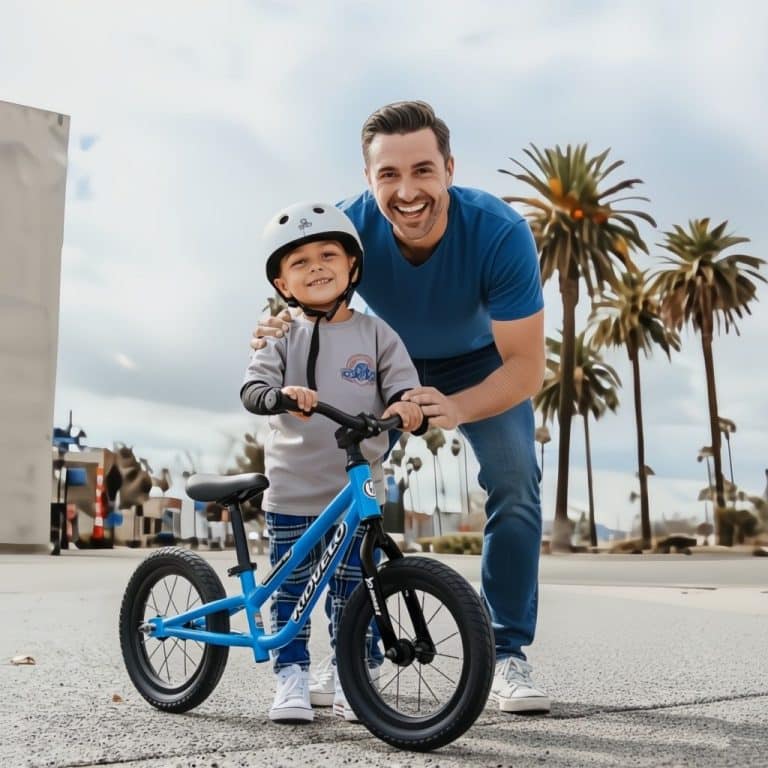
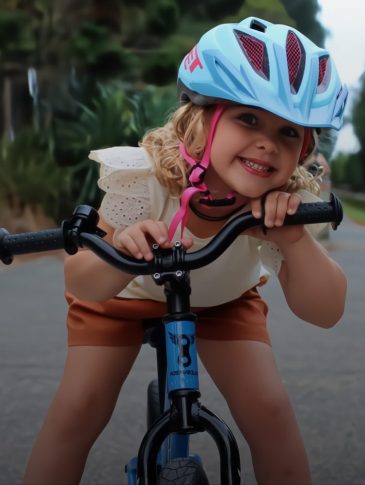
The right kids protective gear adds coverage around vulnerable areas while allowing children to move comfortably as they learn new riding skills.
Start with a correctly fitted helmet. Then choose knee pads, elbow pads, wrist guards and gloves according to your child’s measurements, experience and riding activity. Gear should stay in position without restricting steering, braking, walking or natural movement.
1. Kids Bike Helmets: Start Here
A helmet is the most important piece of protective equipment for a child riding a bicycle. It must be approved for the intended activity, correctly sized, positioned properly and firmly fastened.
Australia’s current bicycle helmet mandatory standard permits compliance with any one of six recognised standards, including AS/NZS 2063:2020 and AS/NZS 2063:2008. Check the permanent safety markings, instructions and product information instead of relying on appearance alone.
How to Check a Kids Helmet Fit
- Position the helmet level across the head, sitting just above the eyebrows.
- Fasten the chinstrap firmly without twisting it.
- Check that the helmet cannot be pushed forwards, backwards or from side to side.
- Make sure the straps sit comfortably around the ears.
- Replace a helmet after an impact, when damaged or when it no longer fits correctly.
Buying a helmet and knee pads together is the most common first purchase see the full range of kids helmets or work through the kids helmet size guide before you order.
2. Kids Knee Pads and Elbow Pads
Knee and elbow pads provide extra coverage for children learning to balance, steer and stop. They are also useful for scooters, skateboards, roller sports and more active riding environments.
Look for pads that:
- Sit directly over the knee or elbow joint.
- Stay in position while your child bends, walks and rides.
- Feel secure without restricting circulation or movement.
- Use comfortable straps that do not rub against the skin.
- Provide suitable coverage for the riding surface and activity.
3. Wrist Guards for Scooters, Skateboards and Roller Sports
Wrist guards are particularly useful for children riding scooters, skateboards, rollerblades and roller skates, where riders may place their hands out during a fall.
A wrist guard should feel secure while allowing comfortable finger movement. Check that the guard is on the correct hand, every strap is fastened and any moulded splint sits in the position shown by the manufacturer.
If wrist guards are worn while cycling, make sure they do not interfere with your child’s ability to hold the handlebars, steer or operate the brakes.
Kids wrist guards use a moulded splint on the palm side that spreads the force of a fall across the forearm instead of loading the wrist joint.
Sizing is simple:
- The splint should stop roughly two finger-widths short of the elbow crease, and your child should still be able to wrap their fingers around a handlebar or scooter grip comfortably.
- Essential for scooter, skateboard and BMX riding, where hands hit the ground first
- Snug over the wrist bone without pinching when fingers are spread wide
- Replace when the strap loses tension or the splint shows any cracking
4. Kids Bike Gloves for Grip and Hand Coverage
Kids bike gloves can improve handlebar grip, reduce rubbing and provide added palm coverage during minor falls. The correct pair should remain secure without limiting finger movement or access to the brakes.
Choose gloves with:
- A secure but comfortable wrist closure.
- Breathable materials suited to the riding conditions.
- Padded or reinforced palms.
- Enough flexibility for steering and braking.
Browse our
kids bike gloves
for balance bikes, bicycles, scooters, BMX tracks and trail riding.
Best Kids Protective Gear for Each Riding Style
The best protective gear depends on where your child rides, how experienced they are and the surfaces, speeds and obstacles they may encounter.
Balance Bikes and Everyday Riding
Comfort and correct fit are especially important for toddlers and first-time riders. Protective gear that is excessively bulky can distract a child or restrict natural movement.
- Correctly fitted and firmly fastened kids bike helmet
- Lightweight knee and elbow pads where appropriate
- Comfortable bike gloves for additional grip
- Enclosed footwear suitable for riding
Find the right first bike in our
balance bikes collection.
Scooters, Skateboards and Roller Sports
Scooter, skateboard and roller-sport riders can benefit from protection around the head, knees, elbows and wrists. Check local helmet laws as requirements differ between activities and Australian states and territories.
- A properly fitted helmet intended for the specific activity
- Hard-shell knee and elbow pads
- Wrist guards that allow comfortable finger movement
- Enclosed shoes with a secure sole
Explore our kids scooters and kids skateboards.
BMX Tracks and Skate Parks
BMX tracks and skate parks can involve harder surfaces, greater speed and more demanding manoeuvres. Choose equipment intended for the activity and confirm any venue or competition requirements before riding.
- Hard-shell knee and elbow pads with secure straps
- Dense, comfortable padding behind the outer shell
- A fit that remains stable during repeated movement
- A helmet designed and approved for the particular riding activity
Competitive BMX racing may require specialist equipment. Australia’s general bicycle helmet mandatory standard specifically excludes helmets used for BMX competitive racing and downhill mountain bike racing, so check the relevant competition rules and helmet certification.
Pair kids BMX knee pads with a BMX helmet or skate helmet rather than a road-style bike shell.
Mountain Bike Trails
Kids mountain bike protective gear should remain secure over uneven surfaces while allowing comfortable pedalling, steering and braking.
- Secure knee pads that do not slide while pedalling
- Breathable materials for longer trail sessions
- Full-finger gloves for grip and hand coverage
- Activity-specific protection for downhill or technical terrain
Youth mountain bike knee pads differ from skate pads in one important way: they use a flexible moulded cap instead of a hard plastic shell, so your child can pedal through a full rotation without the pad catching.
Kids MTB knee pads should also sit under, not over, the sock line to stop debris collecting inside the pad.
Dirt Bike Riding Requires Specialist Protection
Powered dirt bikes and motorcycles require specialist helmets and protective equipment designed and approved for motorcycling.
A recreational bicycle, scooter or skate helmet must not be treated as a substitute for an approved motorcycle helmet. Check the applicable state rules, riding-venue requirements and equipment manufacturer guidance before purchasing.
Kids Protective Gear Sizing: Measure Before You Buy
Age can provide a starting point, but it should not determine protective-gear size. Measure your child and compare the result with the individual product’s size guide because measuring points vary between brands.
| Protective Gear | How to Measure and Check the Fit |
|---|
| Helmet | Measure: head circumference using the maker’s instructions.
Fit: level, secure and unable to move significantly in any direction. |
| Knee pads | Measure: leg circumference at the brand’s specified points.
Fit: centred over the kneecap without sliding. |
| Elbow pads | Measure: arm circumference at the brand’s specified points.
Fit: covers the elbow while allowing full arm movement. |
| Wrist guards | Measure: wrist or hand as specified by the brand.
Fit: secure without restricting the fingers or circulation. |
| Gloves | Measure: hand circumference or width specified by the brand.
Fit: snug without bunching or limiting finger movement. |
Protective Gear Fit Check
Check your child’s gear regularly, after a growth spurt and whenever straps or fasteners have been adjusted.
- Helmet: level, firmly fastened and unable to rock or slide significantly.
- Knee pads: centred over each kneecap and secure during movement.
- Elbow pads: covering the elbow without restricting arm movement.
- Wrist guards: correctly positioned and secure without limiting finger movement.
- Gloves: snug at the wrist with comfortable access to the controls.
When Should Kids Protective Gear Be Replaced?
- After an impact: replace a helmet after an impact, even when damage is not immediately visible.
- When damaged: replace cracked shells, torn straps, compressed padding or broken fasteners.
- When outgrown: replace gear that has become too tight, too loose or no longer stays in position.
- As directed: follow the replacement period and care instructions supplied by the manufacturer.
Avoid buying a second-hand helmet because its impact history and internal condition may be unknown.
When to replace knee and elbow pads
- When the strap or sleeve no longer holds the pad in position through a full ride
- When the shell is cracked, or the foam behind it stays compressed after being pressed
- When the pad rotates off the kneecap during normal pedalling
- Whenever your child has outgrown the size — an undersized pad protects the wrong part of the joint
How to Encourage Kids to Wear Protective Gear
- Let your child help choose the colour or design.
- Make gearing up part of the normal pre-ride routine.
- Choose comfortable gear that does not unnecessarily restrict movement.
- Check the fit before every ride.
- Set a good example by wearing appropriate protective gear yourself.
Shop Kids Protective Gear in Australia
The current Xchange Sports protective-gear collection features the
Triple 8 Dry Erase Protective Gear Set.
It includes knee pads, elbow pads and wrist guards for children aged 5+, with wrist-guard sizing based on approximately 15.5–18cm around the knuckles.
Complete your child’s setup through our
kids bike accessories range,
including helmets, gloves, lights, locks, pumps and spare parts currently available.
In-stock orders leave our Sydney warehouse within two business days. Current shipping rates and delivery estimates are available in the
Shipping & Delivery Policy.
For complete Australian safety guidance, Better Health Victoria’s bicycle safety resource covers helmet legislation, road rules, and age-appropriate riding advice.
The Products Safety Australia mandatory standard for bicycles sets the compliance baseline, every product in this collection meets Australian regulatory requirements.
Browse the full xchange Sports store to match protective gear with the right bike for your child’s age and riding stage.


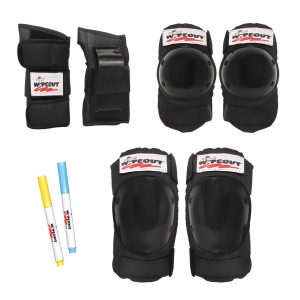
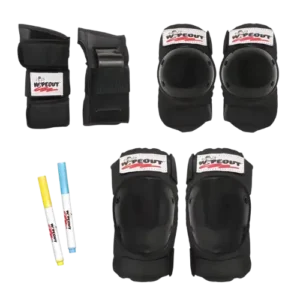 Three-piece setKnees, elbows, wrists
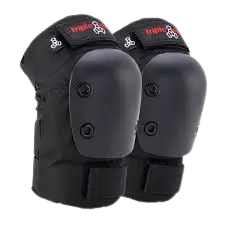 Bought separatelyOne piece at a time