Toddler Bike Helmets ( Ages 2-5yrs )
Certified Toddler Bike Helmets Built for Lightweight Head Protection
Not all toddler helmets are built equal. The ones in this collection are certified to Australia’s mandatory helmet standard, sized for heads from 44–54 cm, and light enough that little ones actually keep them on.
Whether you’re buying a first helmet for a cautious two-year-old or upgrading a fearless four-year-old who needs full-face coverage, you’ll find the right fit here. No fashion-only helmets. No uncertified imports. Just genuinely protective gear that works for real Australian kids.
✓ Flat Rate Shipping Australia-Wide • ✓ 30-Day Love Your Ride Guarantee • ✓ Australian Family-Owned Business • ✓ Secure Payments & Checkout

Trusted and Loved by Hundreds of Happy Parents and Grandparents!
- Rated 5.00 out of 5 based on 3 customer ratings(3)This product has multiple variants. The options may be chosen on the product page
$80.00Original price was: $80.00.$69.00Current price is: $69.00. - Rated 5.00 out of 5 based on 8 customer ratings(8)This product has multiple variants. The options may be chosen on the product page
$80.00Original price was: $80.00.$69.00Current price is: $69.00. - Rated 5.00 out of 5 based on 5 customer ratings(5)This product has multiple variants. The options may be chosen on the product page
$109.00Original price was: $109.00.$99.00Current price is: $99.00. - This product has multiple variants. The options may be chosen on the product page
$79.00Original price was: $79.00.$69.00Current price is: $69.00.
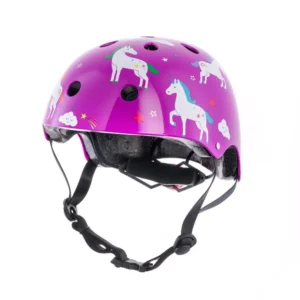
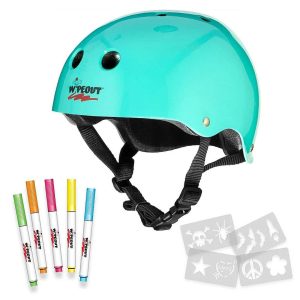
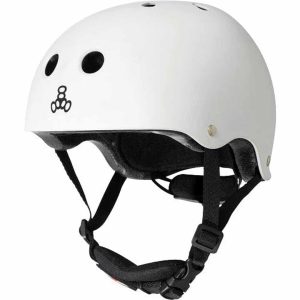
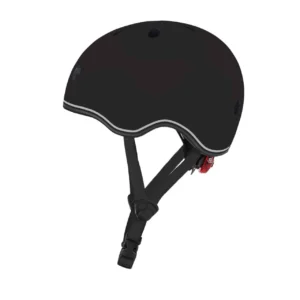
Showing all 4 resultsSorted by latest
Frequently Asked Questions of Toddler Helmet
In Australia, children must wear an approved helmet every time they ride a bike, including balance bikes. There is no minimum age exemption. As soon as your toddler climbs on any wheeled ride-on toy designed for riding, a compliant helmet is legally required. This applies on driveways, footpaths, bike paths, and roads.
Most two-year-olds have a head circumference between 47 cm and 51 cm. Always measure with a soft tape measure around the widest point of the head, approximately 2 cm above the eyebrows. Do not select a helmet by age, children of the same age can differ by 4–5 cm in head circumference.
Yes. All bicycle helmets sold in Australia must comply with the Consumer Goods (Bicycle Helmets) Safety Standard 2024. Compliant helmets meet at least one of six approved standards including AS/NZS 2063:2020, EN 1078:2012+A1:2012, or US CPSC standards. Look for the certification sticker inside the shell. An imported helmet without this certification is non-compliant and illegal to sell in Australia.
A correctly fitted toddler helmet sits level on the head, two finger-widths above the eyebrows. It should not rock forward, backward, or side to side. The rear adjustment dial should hold the helmet firm without pinching. The chin strap should allow two fingers to fit between strap and chin, secure, but not tight enough to cause discomfort. Recheck the fit every few months as your toddler grows.
Most 12-month-olds measure 45–48cm, which is an XXS/XS. Measure first — same-age children vary by 4–5cm, and age-based guesses are the single most common reason a helmet gets returned. Every helmet in this collection lists its exact cm range on the product page, and our 30-day fit guarantee covers you if the measurement is off.
Wrap a soft tape measure around the widest part of the head, roughly 2cm above the eyebrows and just above the ears. Keep it level. Write the number down in centimetres and match it to the size chart above — don't round up. If you don't have a soft tape, run a piece of string around the head and measure the string against a ruler.
A dual-certified helmet covers all three. Skating and scooting produce more frequent, harder rear-of-head impacts than cycling, so a helmet certified only for bicycles isn't the right choice for regular skate-park use. Check the certification sticker inside the shell — dual-certified helmets list both standards.
Looking For Adventure and Insider Tips?
Here you’ll find tons of ideas and inspiration to make bike riding or skating with your child, even more fun!
Why Choose Our Quality Products For Your Child?
Toddler Helmet Size by Age
Helmet size is set by head circumference, not age. Two three-year-olds can be 4–5cm apart. Measure with a soft tape around the widest part of the head, about 2cm above the eyebrows, then match the number — not the birthday — to the chart below.
Yet to confirm after finalized helmet size guide
| Age | Typical head circumference | Size to buy |
| 12–18 months | 45–48 cm | XXS / XS |
| 18 months – 2 years | 46–49 cm | XXS / XS |
| 2–3 years | 47–50 cm | XS / S |
| 3–4 years | 48–51 cm | XS / S |
| 4–5 years | 49–52 cm | S |
| 5+ years | 51–54 cm | S / M — see youth helmets for ages 5-8 |
If your child measures between two sizes, take the smaller one and open the rear dial. A helmet you size up into is loose now, and a loose helmet rotates on impact. Full measuring instructions are in our kids helmet size chart and fit guide.
Can a 1 year old wear a bike helmet? Yes, and in Australia they legally must, the moment they’re on any wheeled ride-on. The limit is neck strength, not the law: most 12-month-olds can support a helmet under 300g for short rides in a balance bike seat or bike seat. Start with the lightest helmet that fits, and keep first sessions short.
Why the Right Toddler Helmet is the only Non-Negotiable
Most toddler crashes happen slowly. A wobble off the footpath, a driveway tumble, a kerb that came out of nowhere. Speed isn’t the danger, the ground is. A properly fitted toddler helmet absorbs that impact before it reaches a still-developing skull.
Every helmet in this collection complies with Australia’s Consumer Goods (Bicycle Helmets) Safety Standard 2024, the mandatory federal standard that replaced the old single-standard requirement from March 2024.
Compliant helmets meet at least one of six recognised standards, including AS/NZS 2063:2020 and EN 1078:2012+A1:2012. Look for the compliance sticker inside the helmet. No sticker means no certification, don’t buy it.
The best toddler helmet in Australia is the one your child will actually wear. Fit, weight, and ventilation all determine whether a toddler accepts a helmet or pulls it off the second you look away.
Don’t buy second-hand. A toddler helmet that’s been in a crash looks identical to one that hasn’t. The EPS foam inside crushes once, after that it’s compromised. You cannot verify a used helmet’s crash history. Buy new, every time.
Open-face vs Full-Face Toddler Helmets
Open-face helmets suit most toddlers on balance bikes, small pedal bikes, and ride-on toys. They’re lighter, cooler in Australian summers, and easier for toddlers aged 1–3 to tolerate. For most early riders, start here.
Full-face toddler helmets add a chin and jaw guard, protection for forward falls where the face contacts the ground first. They make sense once your child is picking up real speed, typically from age three or four on a 12-inch pedal bike.
If your four-year-old is bombing down the driveway or starting their first pump track sessions, a toddler full-face helmet is worth considering. It weighs more, so factor that in for younger or reluctant wearers.
| Feature | Open-Face | Full-Face |
| Best age range | 1–4 years | 3–5+ years |
| Chin/jaw protection | No | Yes |
| Weight | Lighter (200–320 g) | Heavier (350–500 g) |
| Best use | Balance bikes, low-speed pedal bikes | Higher-speed pedal bikes, pump track |
| Ventilation | Better | Reduced |
One helmet, three activities. A dual-certified toddler helmet is rated for bikes and the harder, repeated impacts of skating and scooting — so it covers the balance bike, the scooter and the skate park without buying three helmets.
Single-certified bike helmets are fine on a bike but aren’t built for skate-park use. If your toddler splits time between wheels, start with a dual-certified model, or browse the full toddler skate helmets and scooter helmets ranges.
Do toddler helmets need MIPS?
MIPS stands for Multi-directional Impact Protection System. It’s a thin low-friction layer inside the helmet shell that slides 10–15 mm in all directions on angled impact. Most toddler crashes involve an angled hit, not straight-down, so MIPS reduces the rotational force transmitted to the brain.
Standard certified helmets protect against direct linear impact. MIPS adds rotational protection on top of that. It’s not mandatory, but it adds meaningful safety for roughly $15–$25 more at the mid-range price point. If your budget allows it, choose MIPS. If not, a correctly fitted certified helmet without MIPS is still far safer than no helmet.
MIPS in toddler sizes is genuinely scarce in Australia. Very few manufacturers produce a MIPS liner below 50cm, because the liner adds weight to a helmet that’s already close to the limit of what a toddler’s neck can carry comfortably.
If you can’t find MIPS in your child’s size, don’t wait for it — a correctly fitted certified helmet worn on every ride protects far more than a MIPS helmet that’s too big.
What the fit adjustment system actually does
The dial-fit or ratchet system at the back of a toddler helmet isn’t just a convenience feature. It prevents the helmet from shifting during impact. A loose helmet rotates on impact, exposing the forehead or back of the skull to direct contact.
Tighten the rear dial until the helmet sits flat and firm, then adjust the chin strap so two fingers fit between strap and chin — snug but not choking. Check the fit every few months. Toddler heads grow fast, and what is fitted in winter may be too loose by summer.
Our Picks: The Best Toddler Helmets by Age
| Helmet | Best for | Size range | Why we picked it |
| Globber Kids Helmet with LED Lights | 1–2 years | 45–51 cm | The smallest helmet we stock, and the only one that reliably fits a 12–18 month old. Integrated rear LED for early-evening rides. |
| Triple 8 Lil 8 Dual Certified Youth Helmet | 2–4 years, best all-rounder | 46–52 cm | Dual certified, so it covers bike, scooter and skate on one purchase. Five colours, low profile. |
| Hornit Bike Helmet for Kids with LED Light | 4–5 years | 48–53 cm | Six patterns kids actually choose themselves — the single biggest predictor of whether a helmet gets worn without a fight. |
| Triple 8 Wipeout Dry Erase Youth Helmet | 4–5 years | 47–56 cm | Draw-on, wipe-off shell. Turns the helmet into the toy, not the chore. |
The best toddler helmet in Australia is the one your child keeps on. Certification is the floor, not the differentiator — every helmet sold here legally has to be compliant. What separates them is weight, ventilation and whether your child likes the look of it enough to stop pulling it off.
What Australian Parents Need to Know Before They Buy
Helmet laws and fines by state
Helmet use is mandatory for all cyclists in every Australian state and territory, including toddlers on balance bikes. There are no age exemptions. Fines for riding without an approved helmet vary by state:
| State / Territory | Helmet Fine (approx.) |
| NSW | $344 |
| VIC | ~$227 |
| QLD | ~$143 |
| SA | ~$205 (inc. victims levy) |
| TAS | $344 |
| WA | $50 |
| ACT | ~$121–$146 |
| NT | $25 |
Fine amounts are indexed and may increase. Verify current amounts with your state transport authority.
The helmet must comply with Australia’s mandatory standard. From 22 September 2025, all helmets sold in Australia must meet the Consumer Goods (Bicycle Helmets) Safety Standard 2024. Compliant helmets carry a certification sticker inside the shell — check for it before purchasing.
For further guidance on child helmet safety and fitting, the Better Health Channel (Vic) and raisingchildren.net.au both provide state-reviewed advice for Australian parents.
When to replace a toddler helmet
Replace a toddler helmet immediately after any crash, even a minor one with no visible damage. The EPS (expanded polystyrene) liner is designed to absorb one major impact. Once it has, its protective capacity is gone regardless of how the outside looks. You cannot see internal foam compression.
Without a crash, most manufacturers and safety bodies recommend replacing helmets every three to five years. UV exposure, sweat, and general wear degrade both the shell and the foam over time. As raisingchildren.net.au notes, helmets should be replaced if they’ve been in a crash or are more than a few years old.
What features actually matter
Skip helmets marketed on looks alone. Focus on these:
- EPS liner — the energy-absorbing foam inside the shell; must be present in all compliant helmets
- Rear adjustment dial — keeps fit consistent as your toddler’s head grows; non-negotiable
- Quick-release chin buckle — you’ll clip and unclip this dozens of times per week; magnetic or pinch-free designs save time and tears
- Ventilation — toddlers overheat quickly; look for at least 8–12 vents for Australian summer riding
- Weight — under 300 g for ages 1–3; under 350 g for ages 4–5; lighter helmets are worn more consistently
- MIPS — worth adding at mid-range price points for enhanced rotational impact protection
Helmets and first bikes go together
Buying a first balance bike or 12-inch pedal bike too? The helmet comes first, always. Browse our bike accessories collection to round out the kit with knee pads and gloves, and check our shipping and delivery policy to understand how we dispatch across Australia. We stock helmets and bikes together so you can kit your child out in one order.
Discover more Helmets at Xchange Sports Australia.