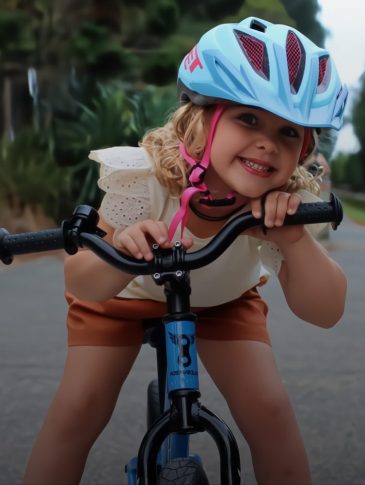
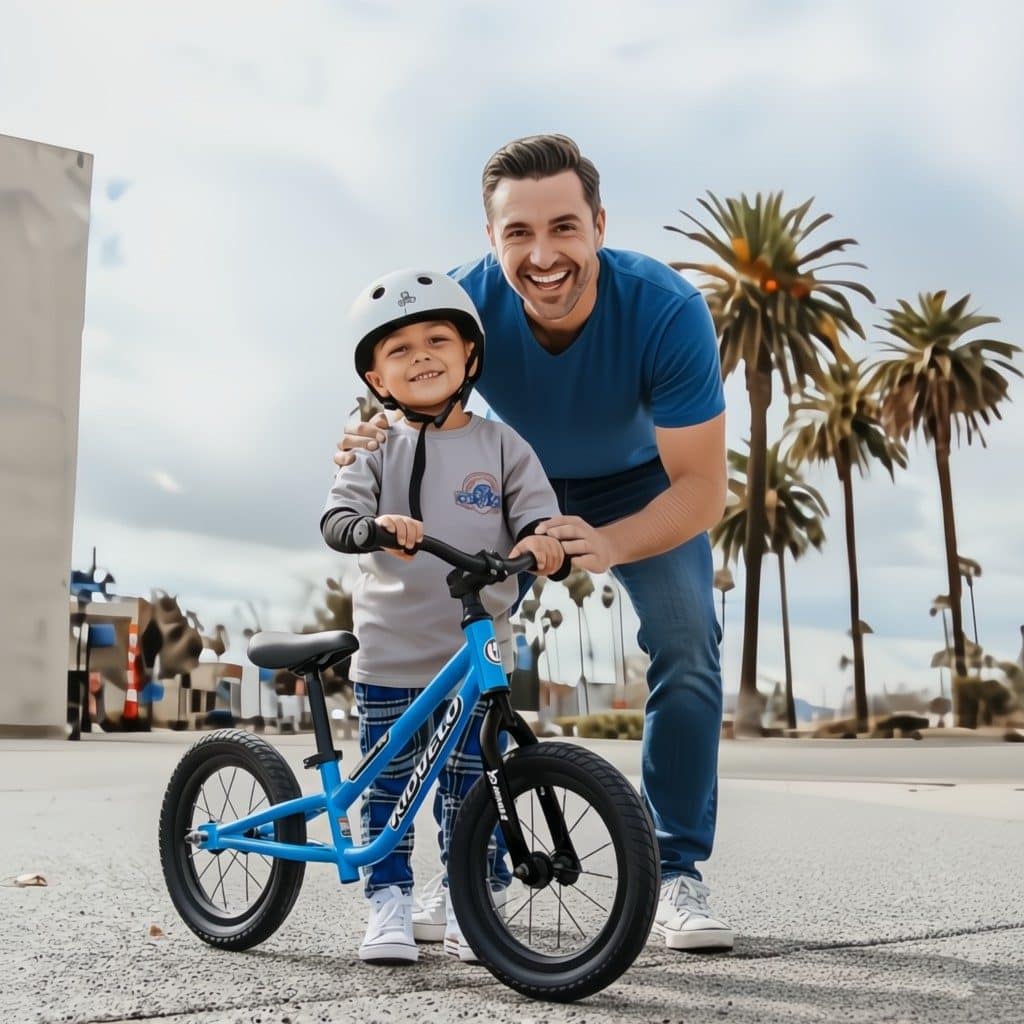
Learning to ride a bike is one of the most exciting milestones for kids — and for parents, finding the right first bike can make all the difference. Balance bikes have quickly become the #1 choice over training wheels for teaching children to ride. In this ultimate guide, we’ll cover everything you need to know to pick the perfect balance bike, size it correctly, keep your child safe, and make the transition to a pedal bike smooth and stress‑free.
What is a Balance Bike?
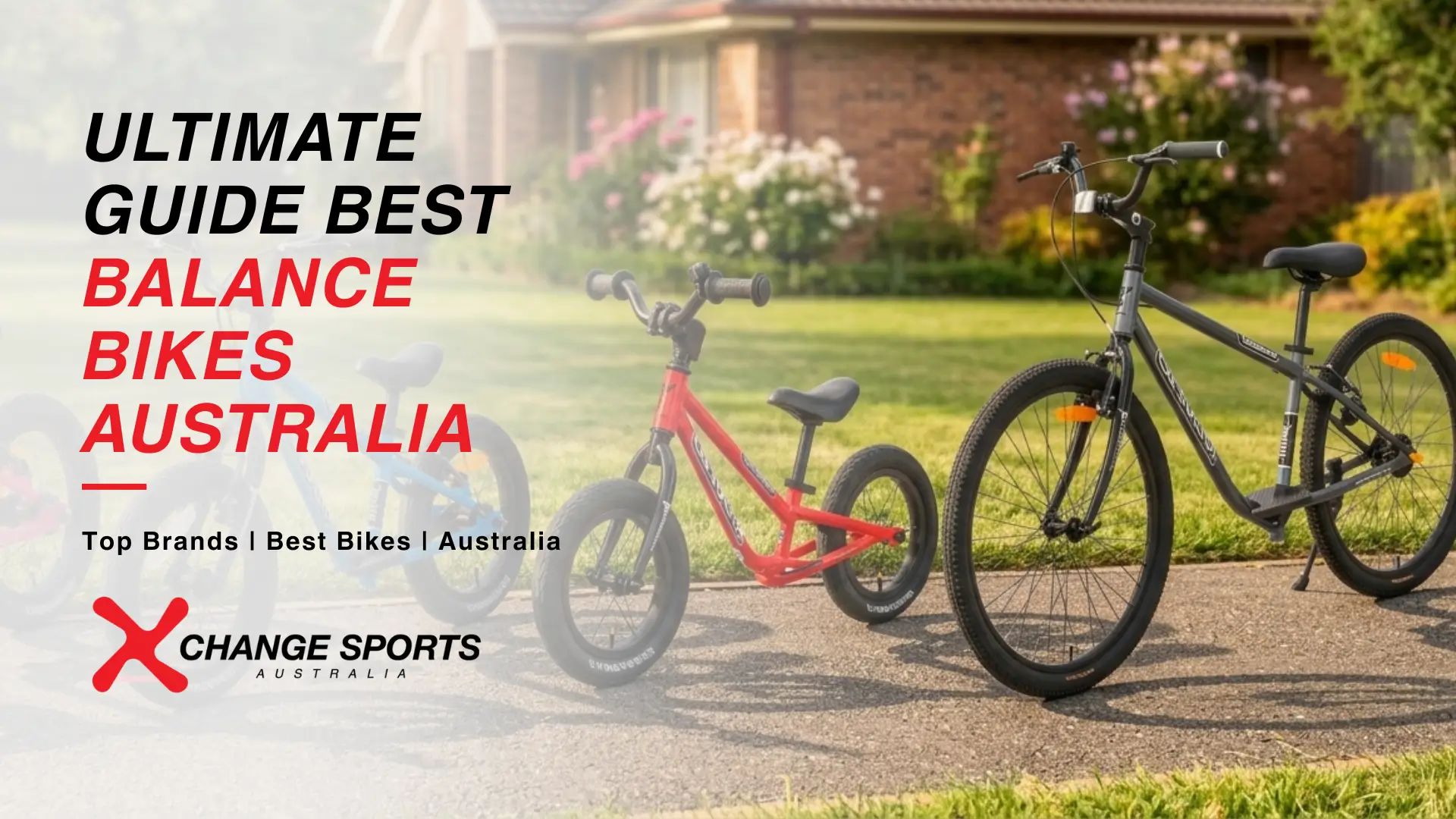
A balance bike is a small, lightweight bike with no pedals, no training wheels, and usually no gears. Kids sit on the saddle, push off with their feet, and glide — learning balance and steering naturally. Compared to trikes or training wheels, balance bikes teach the core skill of riding (balance) first, making the transition to pedalling quick and frustration‑free.
Balance Bike vs Training Wheels:
- Training wheels teach pedalling first, but delay balance.
- Balance bikes develop balance and coordination first, then pedalling takes minutes to master.
- Parents report fewer falls, faster learning, and more confidence with balance bikes.
Why Start Early? (Age & Development)
Most children are ready for a balance bike between 18 months and 2 years old — as soon as they can walk steadily. The earlier they start, the more naturally they develop balance and coordination. Balance bikes are suitable until age 5 or 6 depending on bike size.
Pro Tip: Focus on your child’s inseam measurement rather than age alone. This ensures they can sit on the saddle with both feet flat on the ground.
Sizing & Fit — Your First Decision
Proper sizing is the most important factor for a positive experience. Here’s how to get it right:
- Measure Inseam: Have your child stand with shoes on. Measure from crotch to floor.
- Check Saddle Height: The minimum saddle height should be equal to or slightly below the inseam.
- Wheel Size:
- 10″ wheels — best for toddlers (18m–2y).
- 12″ wheels — most popular, suits 2–4 year olds.
- 14–16″ wheels — for taller preschoolers or extended use.
- Bike Weight: Aim for less than 30% of your child’s weight. Lightweight bikes are easier to control and lift.
Key Features to Consider
Choosing the right bike means comparing features. Here’s what to look for:
Frame Material
- Steel: Durable, affordable, slightly heavier.
- Aluminium: Lightweight, rust‑resistant, easier for small children to handle.
- Wood: Stylish, eco‑friendly, but less adjustable.
Tyres
- Air Tyres: Best grip and comfort, ideal for outdoor riding.
- Foam/EVA Tyres: Maintenance‑free, light, great for indoor or smooth paths.
Brakes
- Rear hand brake recommended for kids 3+ (short‑reach lever preferred).
- Younger toddlers can slow with feet, but brakes prepare them for pedal bikes.
Adjustability
Look for bikes with tool‑free adjustable seat and handlebar heights so the bike grows with your child.
Special Features & Extras
- Convertible Models: Some bikes (like the Kidvelo Rookie range) allow you to add pedals later.
- Footrests: Optional but can be nice for gliding.
- Serviceability: Are replacement tyres/parts available? This extends bike life.
- Design: Choose bright colours for visibility and fun.
How to Teach Your Child to Ride
Follow these steps for a smooth learning process:
- Step 1: Start walking with the bike, feet flat.
- Step 2: Progress to running and gliding.
- Step 3: Practice turns and stops.
- Step 4: Transition to pedals (if convertible or upgrading to a pedal bike).
Tip: Keep sessions short, fun, and pressure‑free. Celebrate progress.
Safety for Parents
Safety is key for every ride:
- Always use an Australian Standard helmet (AS/NZS 2063 compliant).
- Consider gloves and knee/elbow pads for new riders.
- Check tyre pressure, seat clamp tightness, and bolts regularly.
- Choose safe, traffic‑free practice areas with smooth surfaces.
Best Balance Bike Recommendations (2025)
Here are some great options available in Australia:
| Age / Inseam | Recommended Model | Key Features |
|---|---|---|
| 18m–2y | Cruzee 12″ | Ultra‑lightweight aluminium, EVA tyres, tool‑free adjustment |
| 2–4y | Kidvelo Rookie 12 | Convertible to pedal bike, air tyres, ergonomic frame |
| 3–5y | Strider 14x | Adjustable seat/handlebars, pedal kit available |
| 3–6y | Kidvelo Rookie 14 | Long‑lasting, air tyres, smooth transition to pedals |
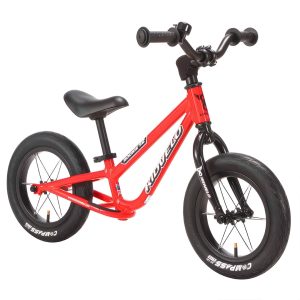
12 Inch Balance Bikes Ages (2-4yrs)
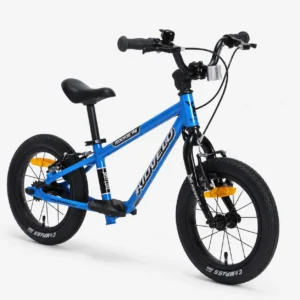
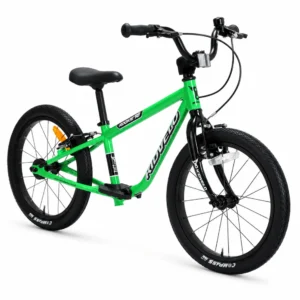
Rated 5.00 out of 5 based on 12 customer ratings(12)This product has multiple variants. The options may be chosen on the product page$229.00Original price was: $229.00.$169.00Current price is: $169.00.14 inch Balance Bike Ages (3-6yrs)
Rated 5.00 out of 5 based on 12 customer ratings(12)This product has multiple variants. The options may be chosen on the product page$509.00Original price was: $509.00.$489.00Current price is: $489.00.18 inch Balance Bike Ages (5-8yrs)
Rated 5.00 out of 5 based on 12 customer ratings(12)$489.00 – $509.00Price range: $489.00 through $509.00This product has multiple variants. The options may be chosen on the product page
Key Features to Consider
Choosing the right bike means comparing features. Here’s what to look for:
Frame Material
- Steel: Durable, affordable, slightly heavier.
- Aluminium: Lightweight, rust‑resistant, easier for small children to handle.
- Wood: Stylish, eco‑friendly, but less adjustable.
Tyres
- Air Tyres: Best grip and comfort, ideal for outdoor riding.
- Foam/EVA Tyres: Maintenance‑free, light, great for indoor or smooth paths.
Brakes
- Rear hand brake recommended for kids 3+ (short‑reach lever preferred).
- Younger toddlers can slow with feet, but brakes prepare them for pedal bikes.
Adjustability
Look for bikes with tool‑free adjustable seat and handlebar heights so the bike grows with your child.
Special Features & Extras
- Convertible Models: Some bikes (like the Kidvelo Rookie range) allow you to add pedals later.
- Footrests: Optional but can be nice for gliding.
- Serviceability: Are replacement tyres/parts available? This extends bike life.
- Design: Choose bright colours for visibility and fun.
How to Teach Your Child to Ride
Follow these steps for a smooth learning process:
- Step 1: Start walking with the bike, feet flat.
- Step 2: Progress to running and gliding.
- Step 3: Practice turns and stops.
- Step 4: Transition to pedals (if convertible or upgrading to a pedal bike).
Tip: Keep sessions short, fun, and pressure‑free. Celebrate progress.
Safety for Parents
Safety is key for every ride:
- Always use an Australian Standard helmet (AS/NZS 2063 compliant).
- Consider gloves and knee/elbow pads for new riders.
- Check tyre pressure, seat clamp tightness, and bolts regularly.
- Choose safe, traffic‑free practice areas with smooth surfaces.
Best Balance Bike Recommendations (2025)
Here are some great options available in Australia:
| Age / Inseam | Recommended Model | Key Features |
|---|---|---|
| 18m–2y | Cruzee 12″ | Ultra‑lightweight aluminium, EVA tyres, tool‑free adjustment |
| 2–4y | Kidvelo Rookie 12 | Convertible to pedal bike, air tyres, ergonomic frame |
| 3–5y | Strider 14x | Adjustable seat/handlebars, pedal kit available |
| 3–6y | Kidvelo Rookie 14 | Long‑lasting, air tyres, smooth transition to pedals |
Longevity & Transition to Pedal Bikes
Signs your child is ready to pedal:
- Coasts with feet up for several seconds.
- Can steer confidently without tipping.
- Shows interest in pedalling or copying siblings.
When this happens, you can either:
- Add pedals (if using a convertible bike).
- Upgrade to a lightweight first pedal bike with similar geometry.
Balance Bike Checklist
Before buying, ask:
- Is it the right size for inseam?
- Is it light enough for my child to lift?
- Are tyres and seat adjustable?
- Does it fit my budget?
- Is there local support, warranty, and spare parts?
FAQ (Parent Concerns Answered)
Q1: Should balance bikes have brakes?
A rear hand brake is useful once kids ride faster. It teaches brake control early and improves safety.
Q2: How much should a balance bike weigh?
Aim for 2.5–4kg for toddlers. Heavier bikes are harder to control and may slow learning.
Q3: Do I need a balance bike if I already have a trike?
Yes — trikes teach pedalling but not balance. Balance bikes make the transition to a pedal bike much faster.
Q4: Are air tyres better than foam tyres?
Air tyres give better grip and comfort. Foam tyres are lighter and maintenance‑free. Choose based on where you ride.
Q5: When should I transition to pedals?
When your child can glide confidently for 5+ seconds with feet up, they are ready to pedal.
Q6: Can balance bikes help children with special needs?
Yes. They allow gradual learning and can improve coordination, strength, and confidence. Choose an extra‑stable, adjustable model.
Final Thoughts & Call to Action
Choosing the right balance bike sets your child up for years of confident riding. Focus on correct sizing, lightweight design, and adjustability. For Australian parents, Kidvelo’s convertible range and our curated selection of lightweight bikes make learning to ride fun and frustration‑free.
➡ Shop our full Balance Bike range here and get flat‑rate shipping Australia‑wide!