Helping Every Child Experience The Joy Of Riding
For many families, teaching a child to ride a bike is one of life’s most exciting milestones. But for children with additional needs, learning to ride can sometimes feel overwhelming, frustrating, or even impossible with a traditional heavy pedal bike.
At Xchange Sports Australia, we believe every child deserves the opportunity to experience the freedom, confidence, and joy that riding a bike can bring.
Over the years, we’ve helped many Australian families find the right lightweight balance bike solution for children with autism, developmental delays, coordination difficulties, sensory challenges, ADHD, dyspraxia, low muscle tone, and confidence-related riding struggles.
The reality is that many children simply need a different approach to learning.
That’s where lightweight balance bikes can make a huge difference.
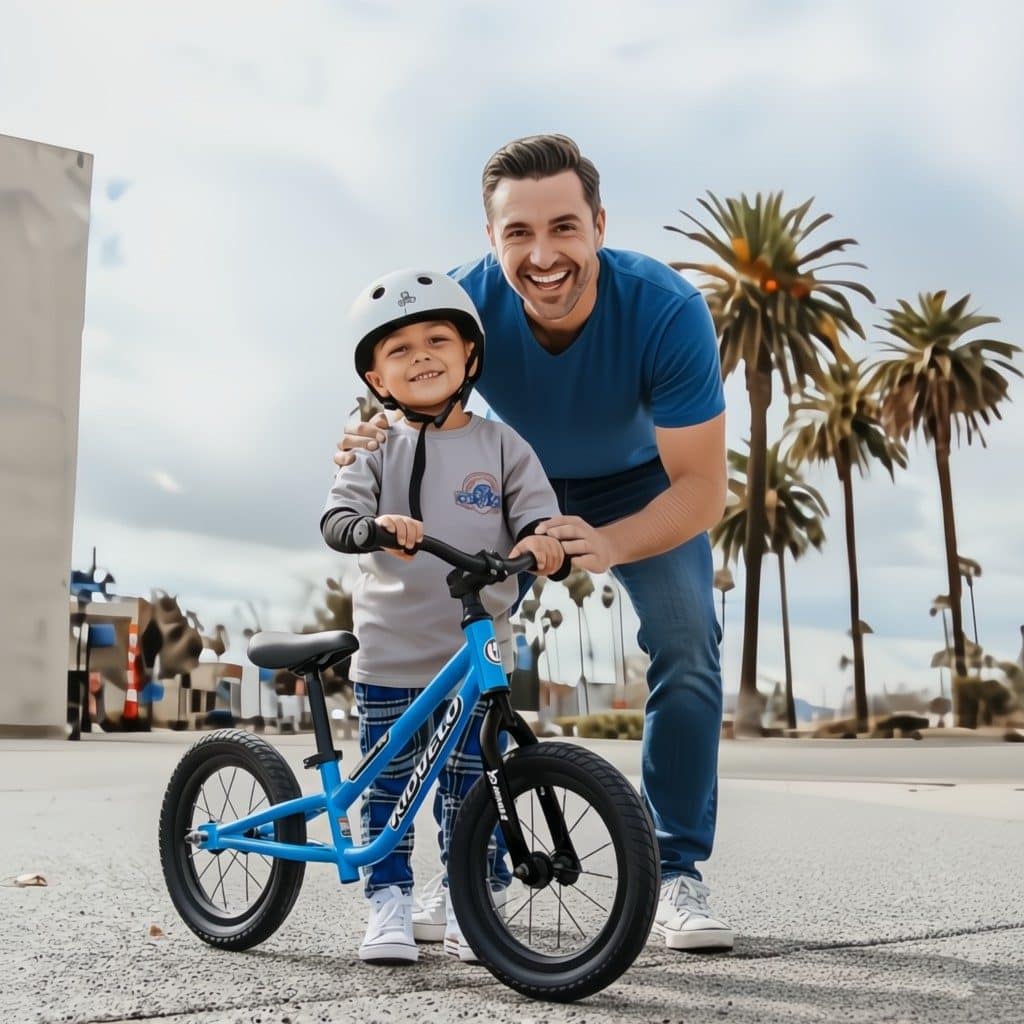
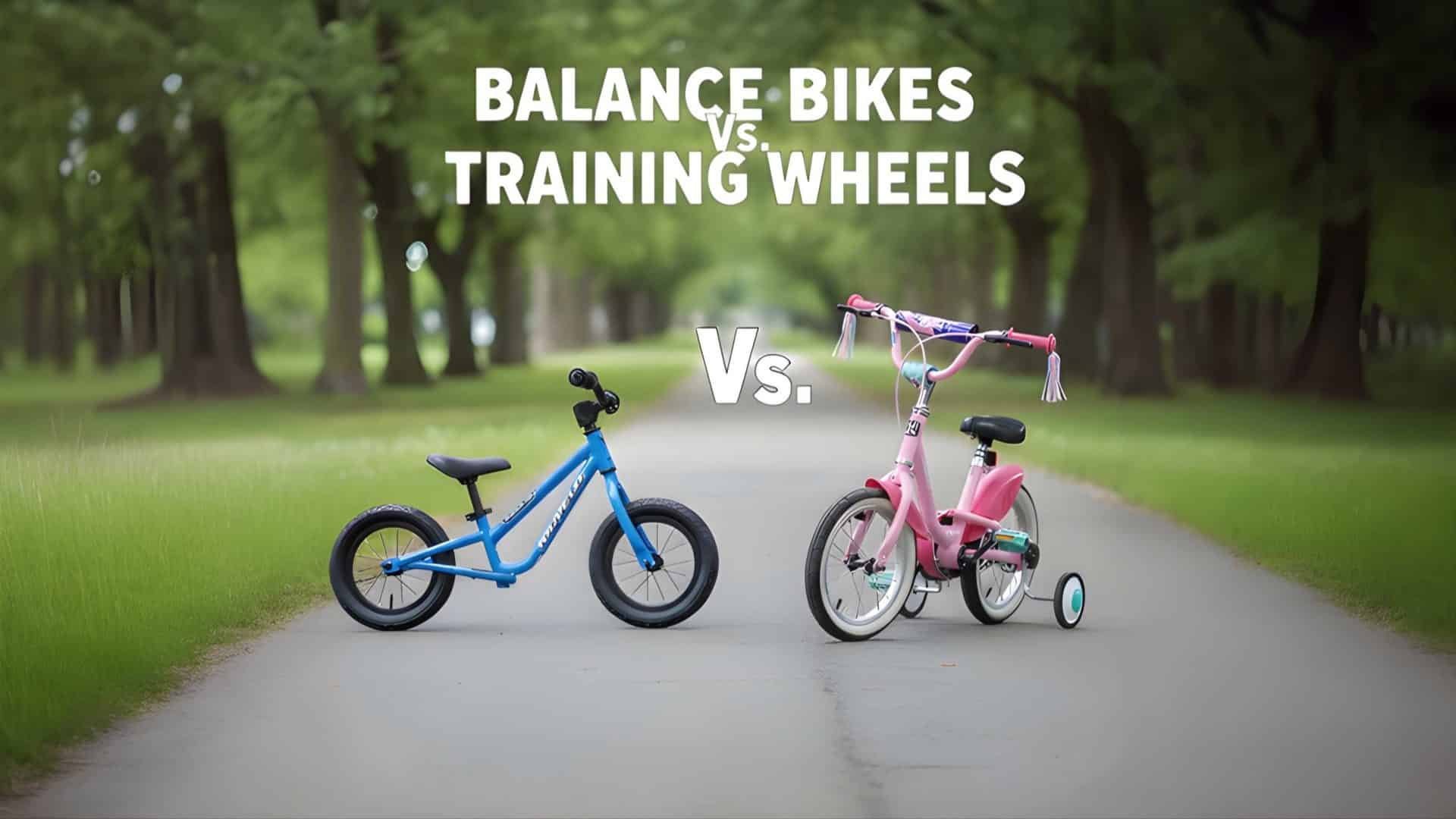
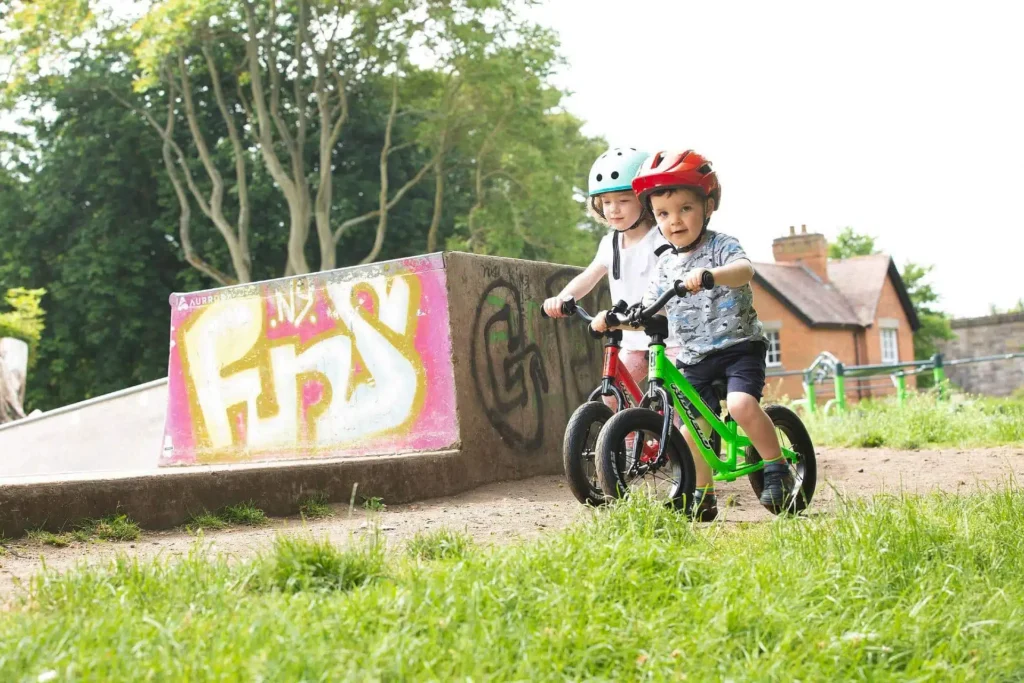
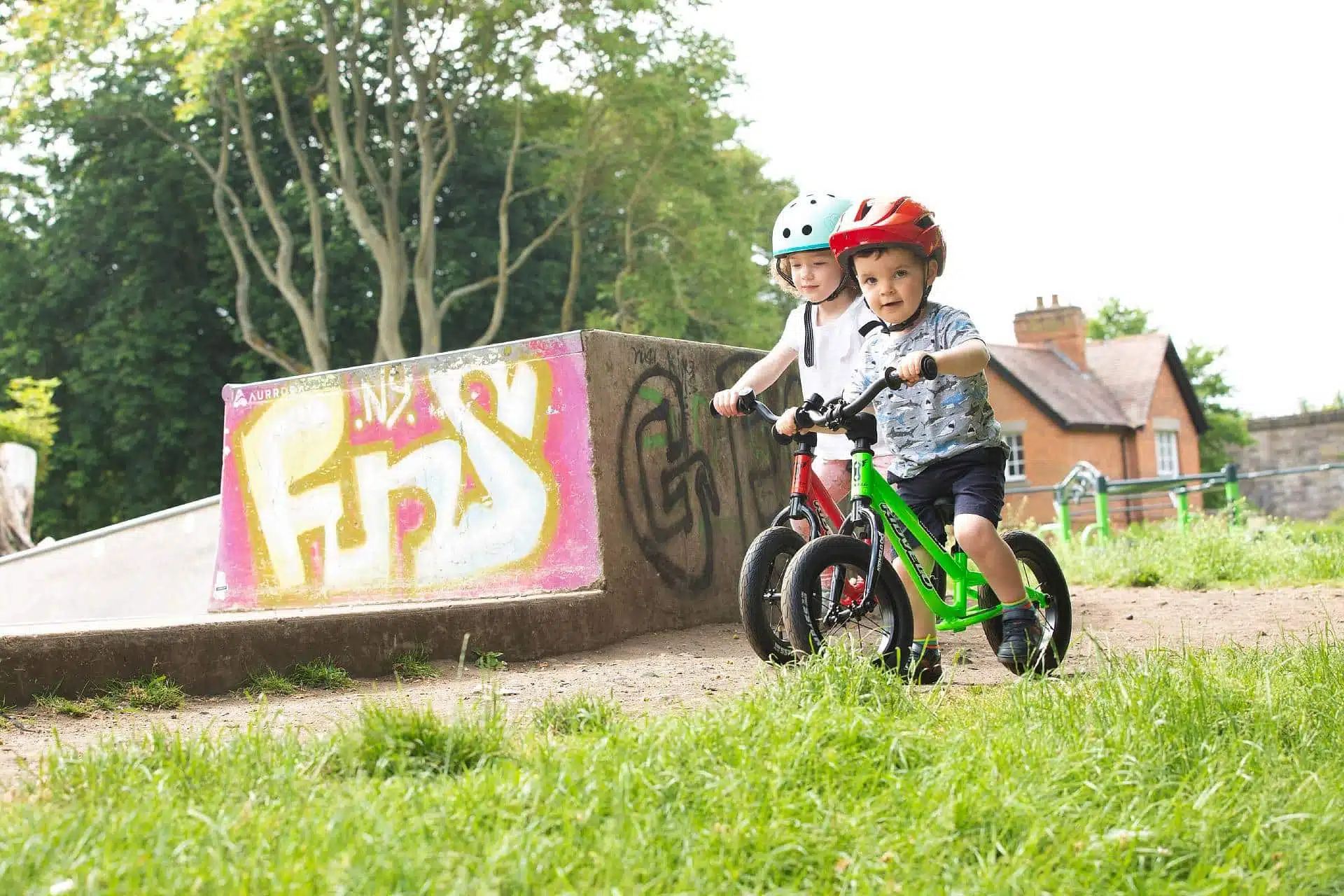
Unlike traditional pedal bikes with training wheels, balance bikes allow children to focus on the most important skill first — balance. With both feet safely on the ground, children can learn at their own pace in a safe and confidence-building way.
For many families, this can completely change the riding experience.
What Is An NDIS Special Needs Bike?
An NDIS special needs bike is generally a bike or mobility support that helps children develop independence, movement skills, physical confidence, and community participation.
This can include:
- Lightweight balance bikes
- Adaptive bikes
- Therapy tricycles
- Low-step bikes
- Larger balance bikes for older children
- Bikes designed for children with coordination or mobility difficulties
While every child’s needs are different, many parents are surprised to discover that lightweight balance bikes are often one of the best starting points for children who struggle with traditional bikes.
Why?
Because balance bikes remove many of the challenges that can make learning difficult.
There are:
- No pedals to coordinate
- No training wheels creating unnatural balance habits
- No heavy frames to control
- No overwhelming complexity
Instead, children can simply focus on movement, steering, confidence, and balance naturally.
At Xchange Sports Australia, we specialise in lightweight kids bikes because we know how important bike weight is for children learning to ride — especially for children with additional needs.
A heavy bike can quickly lead to frustration, fatigue, fear, and loss of confidence.
A lightweight bike helps children feel more in control from the very beginning.
Why Balance Bikes Can Be So Helpful For Children With Additional Needs
Every child learns differently.
For many children with additional needs, the traditional “training wheels first” approach can actually make riding harder rather than easier.
Balance bikes allow children to learn in a more natural and less stressful way.
Builds Balance Naturally
The biggest advantage of a balance bike is simple — children learn balance first.
Traditional training wheels often teach children to lean incorrectly, which can make transitioning to a normal bike much harder later on.
Balance bikes help children:
- Develop natural balance
- Improve body awareness
- Learn steering control
- Build coordination gradually
- Develop riding confidence safely
Because children can keep their feet close to the ground, they feel more secure and less fearful during the learning process.
Reduces Anxiety And Fear
Many children with sensory sensitivities or anxiety can feel overwhelmed by traditional bikes.
Heavy frames, pedals, training wheels, and the fear of falling can all create stress.
Balance bikes simplify the experience.
Children can:
- Start slowly
- Walk before gliding
- Stop easily
- Control their speed naturally
- Build confidence at their own pace
For many families, this lower-pressure approach leads to much faster progress and a far more enjoyable experience.
Encourages Coordination And Motor Skill Development
Riding a balance bike can help children improve:
- Gross motor skills
- Core strength
- Coordination
- Balance reactions
- Spatial awareness
- Steering control
These are important foundational movement skills that can support everyday activities beyond bike riding.
Many occupational therapists and physiotherapists encourage activities that help children develop confidence through movement and play.
Supports Sensory Development
Outdoor riding activities can also provide valuable sensory input for children who benefit from movement-based activities.
Balance biking can help encourage:
- Outdoor play
- Physical activity
- Sensory regulation
- Confidence in new environments
- Independence and exploration
Many parents tell us their child becomes calmer, more confident, and more willing to participate in outdoor activities after learning to ride.
Helps Children Feel Included
One of the most emotional moments for many parents is seeing their child ride alongside siblings, friends, or classmates for the first time.
Bike riding is more than just exercise.
It’s:
- Social inclusion
- Independence
- Family participation
- Confidence building
- Freedom and fun
For many children with additional needs, a lightweight balance bike can become the first step toward feeling included in activities that other children enjoy every day.
Conditions Where Balance Bikes May Help
Every child is unique, and there is never a one-size-fits-all solution.
However, many families explore balance bikes for children experiencing:
- Autism Spectrum Disorder (ASD)
- Dyspraxia
- ADHD
- Developmental delays
- Sensory processing challenges
- Low muscle tone (hypotonia)
- Coordination difficulties
- Balance challenges
- Riding anxiety and confidence issues
Many parents find their child responds much better to a lightweight balance bike compared to traditional bikes with training wheels.
This is often because balance bikes reduce complexity and allow children to learn naturally through movement and repetition.
Of course, families should always speak with healthcare professionals, occupational therapists, physiotherapists, or support coordinators regarding their child’s individual needs.
Can NDIS Funding Help Pay For A Kids Bike?
Many families ask whether the NDIS can help fund a special needs bike or balance bike.
In some cases, bikes may be considered under assistive technology or mobility supports if they help a child work toward their NDIS goals.
This may include goals related to:
- Independence
- Community participation
- Physical development
- Mobility
- Social inclusion
- Confidence and wellbeing
Funding decisions are always individual and depend on a child’s specific needs and goals.
Many families work with:
- Occupational therapists
- Physiotherapists
- Support coordinators
- Plan managers
These professionals may help provide recommendations and supporting information about how a bike could assist a child functionally.
At Xchange Sports Australia, we regularly assist families looking for lightweight bikes that may support their child’s developmental and mobility goals.
We understand the process can sometimes feel confusing, and we’re always happy to help parents choose the right size and bike setup for their child.
According to official NDIS Assistive Technology Guidelines, assistive technology can help children participate more independently in daily life and community activities.
Choosing The Right Special Needs Bike For Your Child
Choosing the right bike can make a huge difference in your child’s confidence and success.
Here are the most important things parents should look for.
1. Prioritise Lightweight Design
This is one of the biggest factors parents overlook.
A heavy bike is significantly harder for children to:
- Balance
- Steer
- Control
- Lift
- Stop safely
For children with low muscle tone, coordination difficulties, or confidence challenges, bike weight matters even more.
At Xchange Sports Australia, we strongly believe lightweight bikes help children learn faster and with less frustration.
2. Make Sure The Bike Fits Correctly
Correct sizing is critical.
Children should be able to:
- Place both feet flat on the ground
- Mount and dismount easily
- Reach the handlebars comfortably
- Feel stable and secure
An oversized bike can quickly reduce confidence and make learning much harder.
3. Look For Adjustable Features
Children grow quickly, so adjustable features are important.
Look for:
- Adjustable seat heights
- Adjustable handlebars
- Comfortable riding positions
- Grow-with-child designs
This helps maximise comfort and long-term use.
4. Keep Things Simple
Sometimes simpler really is better.
Many children benefit from bikes that:
- Are easy to steer
- Feel predictable
- Have fewer distractions
- Allow natural movement learning
Balance bikes remove unnecessary complications and help children focus on the core skill of balance first.
Why Families Across Australia Choose Xchange Sports
At Xchange Sports Australia, we are passionate about helping children experience the confidence and freedom that riding can bring.
We understand that every child’s journey is different.
That’s why we focus on:
- Lightweight kids bikes
- Easy-to-handle balance bikes
- Quality components
- Confidence-building designs
- Expert sizing advice
- Inclusive riding solutions for all children
We offer a wide range of balance bikes and lightweight kids bikes for toddlers, young children, and even older children who may still be developing riding confidence and coordination.
Our goal is simple:
To help every child enjoy riding in a safe, positive, and empowering way.
Frequently Asked Questions
Can autistic children learn to ride a bike?
Absolutely. Every child learns differently, but many autistic children respond very well to lightweight balance bikes because they reduce complexity and allow children to learn gradually and naturally.
Are balance bikes better than training wheels?
For many children, yes.
Balance bikes teach natural balance from the beginning, while training wheels can sometimes delay balance development and create poor riding habits.
Does the NDIS fund bikes for children?
In some cases, bikes may be considered under assistive technology or mobility supports if they help a child work toward their NDIS goals. Families should speak with their therapists or support coordinators for personalised guidance.
What age can children start using a balance bike?
Many children start balance bikes as young as 18 months to 2 years old, but older children can also benefit — especially children struggling with confidence, coordination, or traditional pedal bikes.
Are lightweight bikes easier for children with coordination difficulties?
Yes. Lightweight bikes are generally much easier for children to control, steer, and balance, which can help improve confidence and reduce frustration.
Every Child Deserves The Opportunity To Ride
Learning to ride looks different for every child.
Some children learn quickly. Others need more time, patience, encouragement, and the right equipment.
What matters most is creating a positive and supportive experience that allows children to build confidence at their own pace.
At Xchange Sports Australia, we’re proud to help families across Australia find lightweight balance bikes and kids bikes that support confidence, independence, and fun.
Because every child deserves the chance to experience the joy of riding.