
Choosing your child’s first balance bike is an exciting milestone, but it can also feel overwhelming when you realise how many different styles and materials are available. One of the biggest questions parents ask is whether a wooden balance bike or a metal balance bike is the better option.
Both styles have become incredibly popular with toddlers and preschoolers, and both can help children learn balance, coordination, and confidence before moving onto a pedal bike. However, there are some important differences when it comes to weight, durability, adjustability, performance, and long-term value.
In this guide, we’ll break down the pros and cons of wooden and metal balance bikes so you can confidently choose the best option for your child and family.
Why Balance Bikes Are Better Than Training Wheels
Before comparing materials, it’s important to understand why balance bikes have become the preferred first bike for kids.
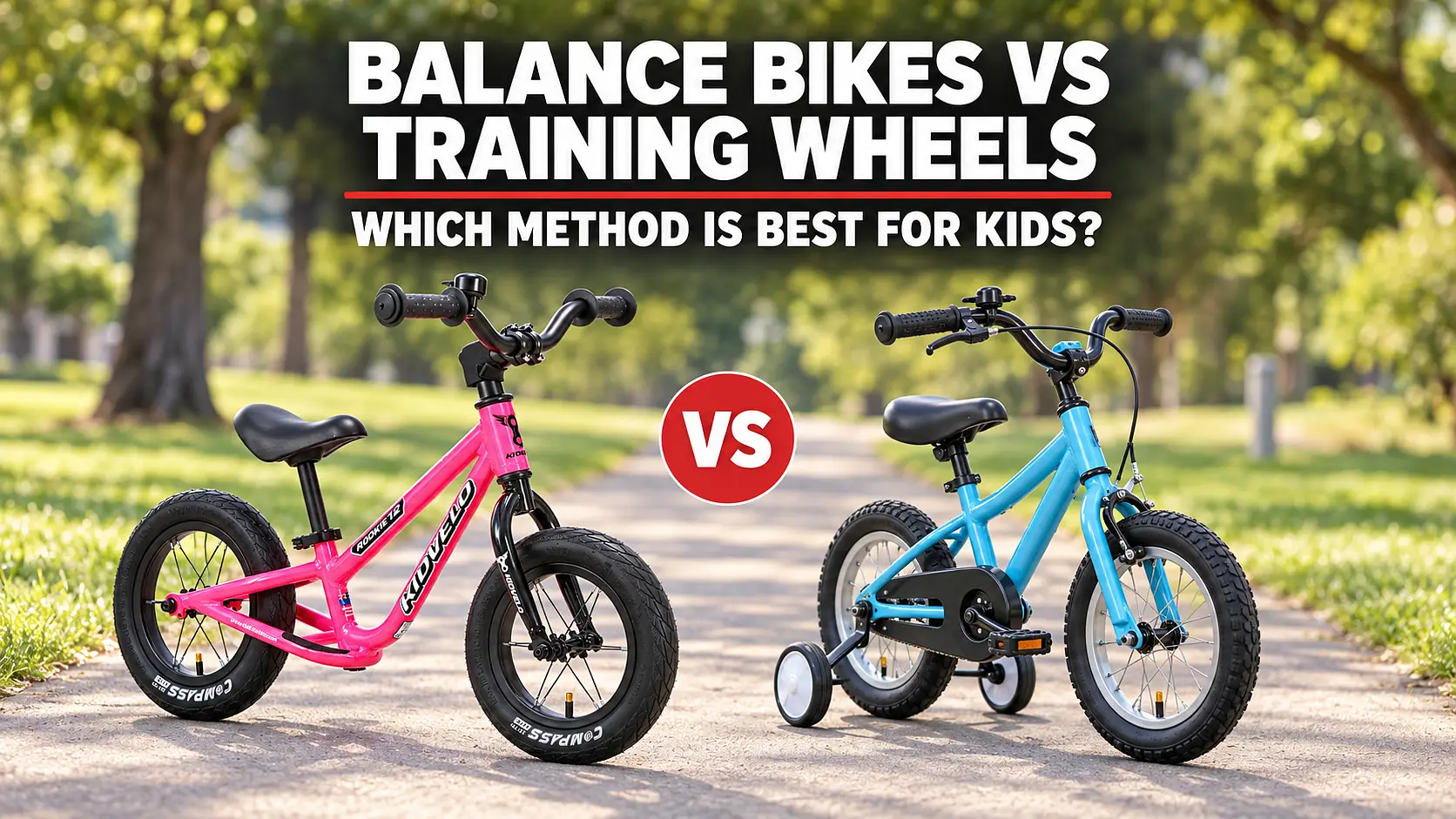
Unlike traditional bikes with training wheels, balance bikes teach children how to balance naturally from the beginning. Kids learn to steer, glide, and control their movement using their own body balance rather than relying on stabilisers.
This often leads to:
- Faster confidence building
- Better coordination
- Easier transition to pedal bikes
- Improved steering and control
- Less fear when learning to ride
Many children who start on balance bikes completely skip training wheels altogether and move straight onto a pedal bike once they’re ready. Parents consistently report that balance bikes help children learn faster and with far less frustration.
For toddlers especially, balance bikes make learning to ride feel more like play than a difficult skill.
What Is a Wooden Balance Bike?
Wooden balance bikes are typically made from plywood, birch wood, bamboo, or other timber materials. Many parents are drawn to them because of their natural appearance, retro styling, and eco-friendly appeal.
Wooden bikes often have:
- Minimalist designs
- Smooth curved frames
- Natural timber finishes
- Vintage-inspired styling
- Environmentally conscious materials
One of the biggest attractions of wooden bikes is their aesthetic appearance. Many parents love the classic look and appreciate that wood is recyclable and biodegradable.
Some premium wooden balance bikes are also made using marine-grade wood, which improves weather resistance and durability.
However, not all wooden bikes are created equally. Lower-quality wooden bikes can sometimes lack durability and may not handle heavy outdoor use as well as metal alternatives.
What Is a Metal Balance Bike?
Metal balance bikes are usually made from:
- Aluminium
- Steel
- Magnesium alloys
These bikes are designed to prioritise lightweight handling, durability, and performance.
Metal balance bikes are the most common type available today because they typically offer:
- Better strength
- Greater seat adjustability
- Longer lifespan
- Improved riding performance
- Better durability for outdoor use
The type of metal used can make a significant difference in overall weight and ride feel.
Aluminium Balance Bikes
Aluminium is one of the most popular materials used in premium kids balance bikes because it is:
- Lightweight
- Rust resistant
- Strong
- Easy for toddlers to control
Many lightweight aluminium balance bikes weigh under 2kg, making them much easier for younger children to manoeuvre.
Steel Balance Bikes
Steel balance bikes are extremely durable and often more affordable than aluminium models.
However, steel bikes are generally:
- Heavier
- Less rust resistant
- Harder for very young toddlers to control
For older or stronger children, this may not matter as much, but bike weight can make a major difference for younger riders.
Magnesium Balance Bikes
Magnesium balance bikes are becoming more popular in premium designs because magnesium is incredibly lightweight while still being durable.
These bikes are often designed for performance-focused riding and easy handling.
Metal vs Wooden Balance Bikes: Side-by-Side Comparison
| Feature | Wooden Balance Bikes | Metal Balance Bikes |
|---|---|---|
| Weight | Usually heavier | Usually lighter |
| Durability | Moderate | Excellent |
| Weather Resistance | Can warp in rain | Better for outdoor use |
| Adjustability | Limited | Greater seat adjustment |
| Longevity | Shorter use range | Longer lifespan |
| Maintenance | Higher | Lower |
| Riding Performance | Basic | Smoother handling |
| Style | Natural / retro | Modern / sporty |
While both styles can help children learn balance successfully, metal balance bikes generally offer more practical advantages for long-term use.
Why Bike Weight Matters More Than Most Parents Realise
One of the biggest mistakes parents make when choosing a balance bike is overlooking the importance of weight.
For adults, a kilogram may not sound like much. But for a toddler, a heavier bike can dramatically affect confidence and control.
A lightweight balance bike is easier for children to:
- Push forward
- Steer
- Pick up after falling
- Glide confidently
- Control during turns
It also makes life easier for parents when carrying the bike home from the park or loading it into the car.
Research and industry comparisons consistently highlight that aluminium and magnesium balance bikes are generally much lighter than wooden or steel alternatives.
The lighter the bike, the easier it is for toddlers to learn balance naturally.
This is one reason why many premium balance bikes now focus heavily on lightweight aluminium frame construction.
Are Wooden Balance Bikes Durable Enough?
Wooden balance bikes can absolutely be durable enough for casual riding and light use. Higher-quality wooden models often last well when properly cared for.
However, there are some limitations parents should know about.
Pros of Wooden Balance Bikes
- Environmentally friendly materials
- Stylish appearance
- Natural look and feel
- Good for occasional riding
- Often quieter in use
Cons of Wooden Balance Bikes
- Can warp or deteriorate in wet weather
- Often heavier than aluminium bikes
- Usually have less seat adjustability
- Shorter overall lifespan
- May not handle rough terrain as well
Wooden bikes generally require more care and maintenance, particularly if exposed to rain or outdoor storage.
For families wanting a bike that can handle years of outdoor adventures, park rides, and everyday use, metal bikes are often the more practical option.
Why Many Parents Choose Lightweight Metal Balance Bikes
Over the last few years, lightweight metal balance bikes have become the preferred choice for many parents because they combine durability with easy handling.
Easier for Toddlers to Control
A lightweight aluminium frame allows children to manoeuvre the bike more confidently and with less effort.
This often leads to:
- Faster learning
- Better balance
- More enjoyment riding
Better for Australian Outdoor Conditions
Australian families often ride in parks, playgrounds, footpaths, and outdoor environments where bikes experience plenty of sun, dirt, moisture, and rough surfaces.
Metal bikes — especially aluminium models — are generally better suited to these conditions because they resist rust and weather damage more effectively than wood.
Greater Seat Height Adjustability
Most metal balance bikes provide a wider seat height adjustment range, allowing the bike to grow with your child.
This can:
- Extend the life of the bike
- Improve long-term value
- Make it easier to share between siblings
Better Riding Performance
Metal frames are often designed with more advanced geometry and ergonomics, helping kids ride more smoothly and comfortably.
This becomes especially noticeable on:
- Uneven surfaces
- Longer rides
- Faster gliding
- Slight hills or slopes
Safety Considerations Parents Should Know
Regardless of whether you choose wood or metal, safety should always come first.
Here are some of the most important factors to consider when choosing a balance bike.
Proper Bike Sizing
The bike should allow your child to place both feet flat on the ground comfortably while seated.
Lightweight Frame
A lighter bike is easier to control and generally safer for toddlers learning balance.
Adjustable Seat Height
An adjustable seat allows the bike to grow with your child and maintain proper riding posture.
Handlebar Safety Features
Look for:
- Padded handlebars
- Steering limiters
- Child-friendly grips
Pneumatic vs Foam Tyres
Air-filled tyres provide:
- Better grip
- Smoother ride comfort
- Improved shock absorption
Foam tyres require less maintenance but can feel harsher on rough terrain.
Brakes vs No Brakes
Many younger toddlers don’t require hand brakes initially, but older children may benefit from learning braking skills early.
A properly fitted lightweight bike is almost always easier and safer for toddlers to ride confidently than a heavier oversized model.
Which Balance Bike Is Best for Different Ages?
Best for 18 Months to 2 Years
For younger toddlers, the priority should be:
- Ultra-lightweight frame
- Low minimum seat height
- Easy manoeuvrability
Lightweight aluminium bikes are often the best option at this stage.
Best for 2 to 4 Years
Children in this age group benefit from:
- Adjustable seat heights
- Durable frames
- Comfortable tyres
- Lightweight handling
This is the age where many children rapidly develop balance confidence.
Best for 4 to 5 Years
Older preschoolers may prefer:
- Larger wheel sizes
- Higher weight capacity
- More advanced riding geometry
- Longer-lasting frames
Metal balance bikes typically offer more flexibility as children grow.
Expert Recommendation: Which Is Better Overall?
Both wooden and metal balance bikes can help children learn to ride successfully.
However, when comparing overall performance, durability, adjustability, and long-term value, lightweight metal balance bikes are generally the better choice for most families.
Wooden balance bikes remain popular because of their stylish appearance and eco-friendly appeal, but metal bikes usually provide:
- Better durability
- Easier handling
- Improved weather resistance
- Longer usability
- Greater adjustability
- Better riding performance
For younger riders especially, lightweight aluminium balance bikes can make learning significantly easier and more enjoyable.
Why Xchange Sports Recommends Lightweight Kids Balance Bikes
At Xchange Sports, we believe the best balance bike is one that helps children build confidence safely while making riding fun from day one.
That’s why we focus on lightweight, high-quality kids bikes that are:
- Easy for toddlers to control
- Built for Australian conditions
- Adjustable for growing children
- Designed for comfort and safety
- Backed by trusted kids bike brands
Choosing the right first bike can make a huge difference in how quickly and confidently your child learns to ride.
Frequently Asked Questions
Are wooden balance bikes safe?
Yes, quality wooden balance bikes can be very safe when properly designed and correctly sized for the child.
Are metal balance bikes too heavy?
Not necessarily. Aluminium and magnesium balance bikes are often extremely lightweight and easier for toddlers to control than some wooden or steel models.
What is the lightest balance bike material?
Magnesium and aluminium are generally among the lightest materials used in balance bike construction.
Is aluminium better than steel for kids bikes?
Aluminium is usually lighter and rust resistant, making it a popular choice for younger riders. Steel is extremely durable but often heavier.
Do balance bikes help kids learn faster?
Yes. Balance bikes teach balancing skills naturally and often help children transition to pedal bikes much faster than training wheels.
What age should kids start a balance bike?
Many children can begin using balance bikes from around 18 months to 2 years, depending on height and confidence.
Are balance bikes worth it?
Absolutely. Balance bikes are one of the best ways to help children develop confidence, coordination, and independent riding skills.
Final Thoughts
Choosing between a wooden and metal balance bike ultimately comes down to your priorities as a parent.
If you love natural aesthetics and eco-friendly materials, a wooden balance bike may appeal to you. But if you want lightweight handling, durability, adjustability, and long-term performance, a lightweight metal balance bike is often the better overall investment.
Most importantly, the best balance bike is the one that helps your child feel comfortable, confident, and excited to ride.
And when kids love riding, learning naturally follows.