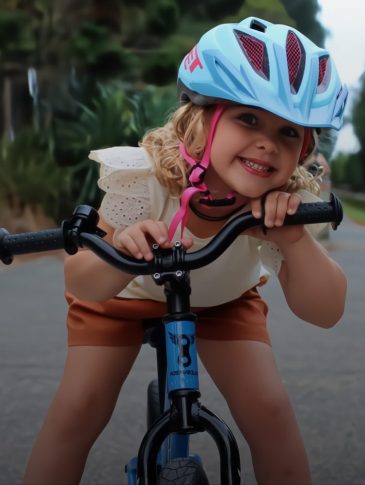
NDIS Funding Kids Bike: For many children, learning to ride a bike is more than just a fun childhood milestone. Riding can help build confidence, coordination, independence, physical activity, and social participation.
For some children living with disabilities or developmental challenges, adaptive bikes, therapy trikes, or specialised riding equipment may also support important mobility and developmental goals.
Many Australian families are surprised to learn that, in certain situations, NDIS funding may help cover the cost of bikes and adaptive cycling equipment through Assistive Technology (AT) supports.
At Xchange Sports, we regularly speak with families searching for beginner-friendly bikes, balance bikes, and adaptive riding options for children. We understand that navigating the NDIS process can feel confusing, especially when trying to determine what equipment may qualify.
This guide explains:
- How NDIS funding for kids bikes may work
- What types of bikes may qualify
- The role of Assistive Technology
- Supporting documents you may need
- How balance bikes may support developmental goals
- Common mistakes families make during the process
Important Disclaimer:
NDIS funding decisions are assessed individually and approvals are never guaranteed. Funding depends on participant goals, functional needs, supporting evidence, and whether the support is considered “reasonable and necessary” under NDIS guidelines.
The NDIS explains that Assistive Technology supports may be funded when they help participants increase independence, safety, participation, or functional capacity. (ndis.gov.au)
Can NDIS Funding Be Used To Buy A Kids Bike?
In some cases, yes.
Certain bikes and adaptive riding equipment may be funded under NDIS Assistive Technology (AT) supports when they are linked to disability-related needs and participant goals.
However, it’s important to understand that the NDIS does not automatically fund standard recreational bikes simply because a child enjoys riding.
Instead, funding decisions are typically based on whether the equipment:
- Supports functional development
- Improves mobility or participation
- Assists therapy or rehabilitation goals
- Builds independence
- Addresses disability-related challenges
The NDIS assesses whether supports are considered “reasonable and necessary” for the participant.
What Types Of Bikes May Be Funded Through NDIS?
Depending on individual circumstances, some families may seek funding for:
- Adaptive bikes
- Therapy tricycles
- Special needs trikes
- Modified bicycles
- Tandem bikes
- Balance bikes (in some situations)
- Safety and support accessories
The type of bike recommended often depends on:
- Coordination challenges
- Balance difficulties
- Mobility limitations
- Sensory needs
- Therapy goals
- Physical development requirements
Organisations supporting adaptive cycling frequently highlight the benefits of cycling for mobility, physical activity, confidence, and participation.

What Is Assistive Technology (AT)?
Assistive Technology refers to equipment, devices, or systems that help people improve independence and participation in everyday life.
Under the NDIS, Assistive Technology may include:
- Mobility aids
- Communication devices
- Therapy supports
- Adaptive seating
- Modified bikes and trikes
- Safety accessories
The NDIS generally categorises Assistive Technology into:
- Low-cost AT
- Mid-cost AT
- High-cost AT
Different funding processes and evidence requirements may apply depending on the cost and complexity of the equipment. (ndis.gov.au)
How Bikes May Fit Into AT Supports
Adaptive bikes or therapy trikes may sometimes be recommended to help children:
- Improve balance and coordination
- Build strength and endurance
- Participate socially
- Increase independence
- Support therapeutic outcomes
In some cases, therapists may also recommend beginner-friendly riding equipment like balance bikes as part of broader developmental goals.
Who Might Be Eligible For NDIS Bike Funding?
Eligibility depends entirely on the individual participant’s circumstances.
Families may explore bike-related funding where cycling equipment supports disability-related goals or functional outcomes.
Examples Of Goals That May Be Relevant
Some examples may include:
- Improving balance or coordination
- Supporting physical therapy
- Encouraging outdoor participation
- Increasing independence
- Improving mobility
- Building confidence in physical activities
The NDIS usually requires evidence showing how the equipment specifically supports the participant’s disability-related needs rather than general recreation.
What Supporting Documents May Be Needed?
One of the most important parts of the process is providing supporting evidence.
Funding requests are generally stronger when supported by professional recommendations explaining how the equipment may help the participant achieve their goals.
Common Supporting Documents May Include:
- Occupational therapist (OT) reports
- Physiotherapist recommendations
- Functional assessments
- Quotes from suppliers
- Goal-alignment documentation
- Evidence explaining safety or mobility needs
Adaptive cycling organisations often recommend working closely with therapists and support coordinators during the application process.
Can Balance Bikes Be Included Under NDIS?
In some situations, therapists may recommend balance bikes for children working on:
- Coordination
- Motor skill development
- Balance
- Confidence
- Mobility
- Physical participation
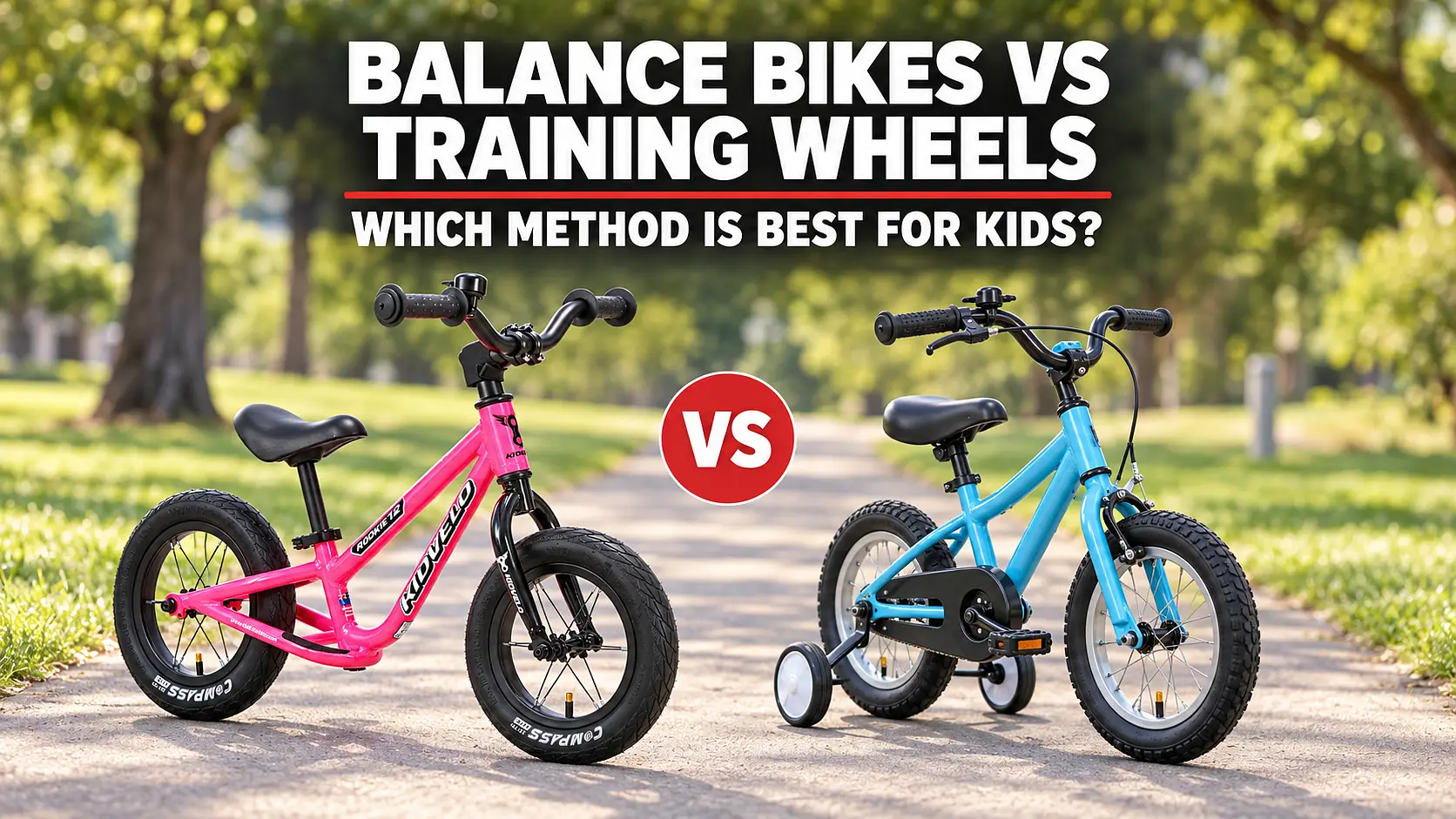
Balance bikes are especially popular for beginner riders because they teach balance naturally before introducing pedals.
Unlike traditional bikes with training wheels, balance bikes help children focus on:
- Stability
- Steering
- Body awareness
- Confidence
However, it’s important to understand that standard balance bikes are not automatically covered under NDIS funding.
Any request would usually need to demonstrate how the equipment supports disability-related functional goals.

Why Bike Riding Can Be So Valuable For Child Development
Bike riding offers many benefits beyond simply learning to ride.
Experts and child development professionals often highlight the positive impact riding can have on:
- Coordination
- Core strength
- Confidence
- Spatial awareness
- Social interaction
- Outdoor participation
- Independence
Balance-focused activities are widely recognised for supporting early physical development and body awareness in children.
For many families, bike riding also creates opportunities for:
- Family activities
- Community participation
- Outdoor exercise
- Confidence-building experiences
Common Mistakes Families Make During NDIS Funding Kids Bike
Applying for NDIS-related equipment funding can feel overwhelming, especially for first-time applicants.
Here are some common mistakes families should try to avoid.
1. Assuming All Bikes Automatically Qualify
The NDIS generally assesses whether equipment is linked to disability-related needs and goals.
2. Missing Therapist Recommendations
Professional reports can play a major role in supporting funding requests.
3. Not Linking The Bike To Functional Goals
Applications are often stronger when they clearly explain:
- Why the equipment is needed
- What outcomes it supports
- How it improves participation or independence
4. Choosing Equipment Before Assessments
The right bike depends on the child’s individual needs and abilities.
5. Incomplete Documentation
Missing evidence can slow down assessments or reduce the likelihood of approval.
6. Ignoring Safety Considerations
Safety features, sizing, and supervision are important considerations for beginner riders.
Choosing The Right Bike For Your Child
Every child’s riding journey is different.
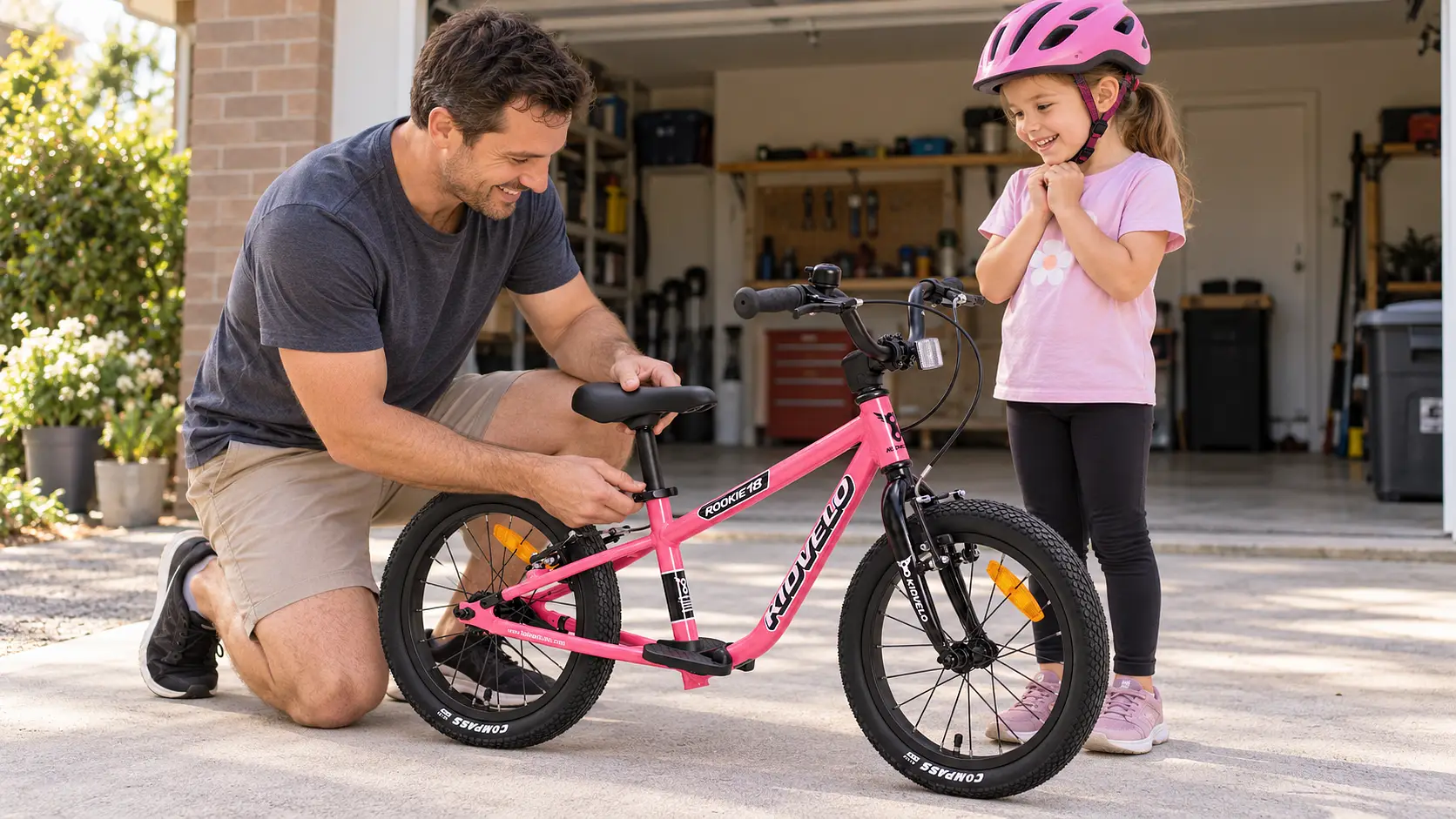
Whether you’re considering a balance bike, adaptive trike, or beginner pedal bike, comfort and confidence are incredibly important.
Things To Consider
- Child’s height and size
- Coordination level
- Functional support needs
- Weight of the bike
- Stability and handling
- Adjustable features
- Safety accessories
A properly fitted bike can help children feel:
- Safer
- More stable
- More confident
- More willing to participate
At Xchange Sports, we always recommend prioritising fit, comfort, and control over buying oversized bikes children may struggle to manage.
Safety Considerations For Beginner Riders
Safety should always come first, especially for younger or less confident riders.
Essential Safety Gear Includes:
- Properly fitted helmet
- Closed-toe shoes
- Supervised riding
- Safe riding environments
Helmet safety experts recommend helmets should:
- Sit level on the head
- Cover the forehead
- Fit snugly without wobbling
- Have secure straps forming a “V” around the ears

For children using adaptive bikes or therapy trikes, therapists may also recommend additional positioning or safety supports depending on individual needs.
How Xchange Sports Supports Australian Families
At Xchange Sports, we’re passionate about helping families find beginner-friendly riding solutions that support confidence, fun, and safe outdoor activity.
We can assist families by providing:
- Product information
- Bike sizing guidance
- Quotes for suitable equipment
- Recommendations for beginner riders
- Information about balance bikes and kids bikes
Our focus is helping children enjoy positive riding experiences while giving parents confidence in choosing the right equipment.
Please note:
Xchange Sports cannot guarantee NDIS approvals or funding outcomes. Families should always seek advice from their support coordinators, therapists, or NDIS planners regarding eligibility and documentation requirements.
Frequently Asked Questions
Can NDIS funding pay for a kids bike?
In some situations, adaptive bikes or specialised riding equipment may be funded when linked to disability-related goals and functional needs.
Are balance bikes covered by NDIS?
Balance bikes are not automatically funded, but therapists may recommend them in certain situations tied to developmental or functional goals.
What is Assistive Technology under NDIS?
Assistive Technology refers to equipment or devices that help improve independence, participation, mobility, or daily living.
Do I need a therapist report for bike funding?
Many funding applications are supported by OT or physiotherapy reports explaining how the equipment supports the participant’s goals.
Can therapy trikes be funded?
In some circumstances, therapy trikes or adaptive bikes may be considered where they support disability-related outcomes.
Are helmets included under NDIS?
Some safety accessories may be included depending on the participant’s needs and the overall support recommendation.
How long does NDIS approval take?
Timeframes vary depending on plan reviews, supporting evidence, and the complexity of the request.
Final Thoughts
For many children, learning to ride can be life-changing.
Bike riding may help improve confidence, physical activity, coordination, independence, and social participation — especially when the right equipment supports a child’s individual needs.
While NDIS funding decisions are assessed individually, understanding the process can help families feel more informed and prepared when exploring adaptive riding equipment or beginner bikes.
Whether your child is starting on a balance bike, using adaptive cycling equipment, or building riding confidence outdoors, the goal is the same: helping children enjoy safe, empowering experiences that support growth and participation.
Explore kids bikes, balance bikes, helmets, and beginner riding equipment at Xchange Sports and help your child ride with confidence.