Keeping your child’s bike in great condition doesn’t have to be complicated. In fact, a few simple maintenance habits can make riding safer, smoother, and much more enjoyable for young riders.
Whether your child rides a balance bike, pedal bike, or scooter, regular maintenance helps build confidence and keeps every adventure rolling without unexpected problems. The good news? Most beginner bike maintenance can be done at home in just a few minutes.
At Xchange Sports, we specialise in helping families choose safe, lightweight, beginner-friendly kids bikes designed to make learning to ride easier and more fun. This guide covers everything parents need to know about basic bike maintenance for beginners — without the confusing bike-shop jargon.
Why Regular Bike Maintenance Matters For Kids
Kids bikes go through a lot. From rough footpaths and muddy parks to daily riding around the neighbourhood, even the best bikes need regular attention.
Routine maintenance helps:
- Improve bike safety
- Extend the life of the bike
- Make riding easier for beginners
- Prevent expensive repairs later
- Build confidence in young riders
For beginner riders, a properly maintained bike is especially important. Loose handlebars, flat tyres, or stiff brakes can quickly turn a fun ride into a frustrating experience.
Lightweight kids bikes and balance bikes are designed to help children learn faster and ride more confidently — but regular checks help keep them performing at their best.
The Simple 5-Minute Bike Safety Check Every Parent Should Learn
Before each ride, it’s a great idea to do a quick safety inspection. Professional mechanics often use something called the “M-Check,” which works from the front wheel to the back wheel in an “M” shape.
The good news is you don’t need to be a bike expert to do this.
1. Check The Tyres
Tyres play a huge role in safety and comfort.
Look for:
- Proper tyre pressure
- Cracks or worn tread
- Stones or debris stuck in the tyres
- Slow leaks
Under-inflated tyres make bikes harder to ride and can reduce balance for beginners.
Quick Tip:
Tyres should feel firm but still have a little give when squeezed.
2. Test The Brakes
Brakes should stop the bike smoothly without needing excessive force.
Check:
- Brake levers feel responsive
- Brake pads contact the wheel correctly
- No rubbing noises
- Cables aren’t frayed
If the brakes feel loose or weak, they may need adjustment before your child rides again.
3. Tighten Handlebars And Seat
Kids bikes can loosen over time, especially if they’re frequently transported or stored outdoors.
Check:
- Handlebars don’t twist easily
- Seat stays firmly in place
- Seat height still suits your child
A properly fitted seat helps children ride more comfortably and confidently.
4. Inspect The Chain
The chain helps transfer power from the pedals to the wheels.
Look for:
- Dirt buildup
- Rust
- Dryness
- Stiff movement
A clean, lubricated chain helps bikes pedal smoothly and quietly.
5. Do A Quick Bolt Check
Make sure key parts are secure:
- Pedals
- Wheels
- Seat clamp
- Handlebars
If something rattles, investigate it before riding.
Essential Bike Cleaning Tips For Beginners
A clean bike not only looks better — it also lasts longer and works more efficiently.
For kids bikes, regular cleaning helps prevent rust, wear, and unnecessary damage.
How Often Should You Clean A Kids Bike?
A quick clean every few weeks is usually enough for casual riders.
You should clean the bike sooner if:
- It’s been ridden in mud or sand
- The chain looks dirty
- The bike has been exposed to rain
- You hear squeaking noises
What You Need To Clean A Bike
You don’t need expensive tools to get started.
Basic cleaning supplies include:
- Bucket of warm water
- Mild soap
- Soft sponge
- Old toothbrush or soft brush
- Dry cloth
- Bike lubricant
Avoid using harsh household cleaners because they can damage paint and bike parts.
Step-By-Step Bike Cleaning Process
Step 1: Rinse Off Dirt
Use low-pressure water or a damp sponge to remove surface dirt.
Step 2: Clean The Frame
Use warm soapy water to wipe down the frame, handlebars, and seat.
Step 3: Wash Wheels And Tyres
Remove dirt from the tyres and rims using a brush.
Step 4: Wipe The Chain
Carefully clean the chain using a cloth.
Step 5: Dry The Bike
Dry everything thoroughly to prevent rust.
Step 6: Lubricate The Chain
Apply a small amount of bike lubricant to keep the chain running smoothly.
Important Beginner Tip:
Never use a high-pressure hose on a bike. Strong water pressure can damage bearings and wash away important lubrication.
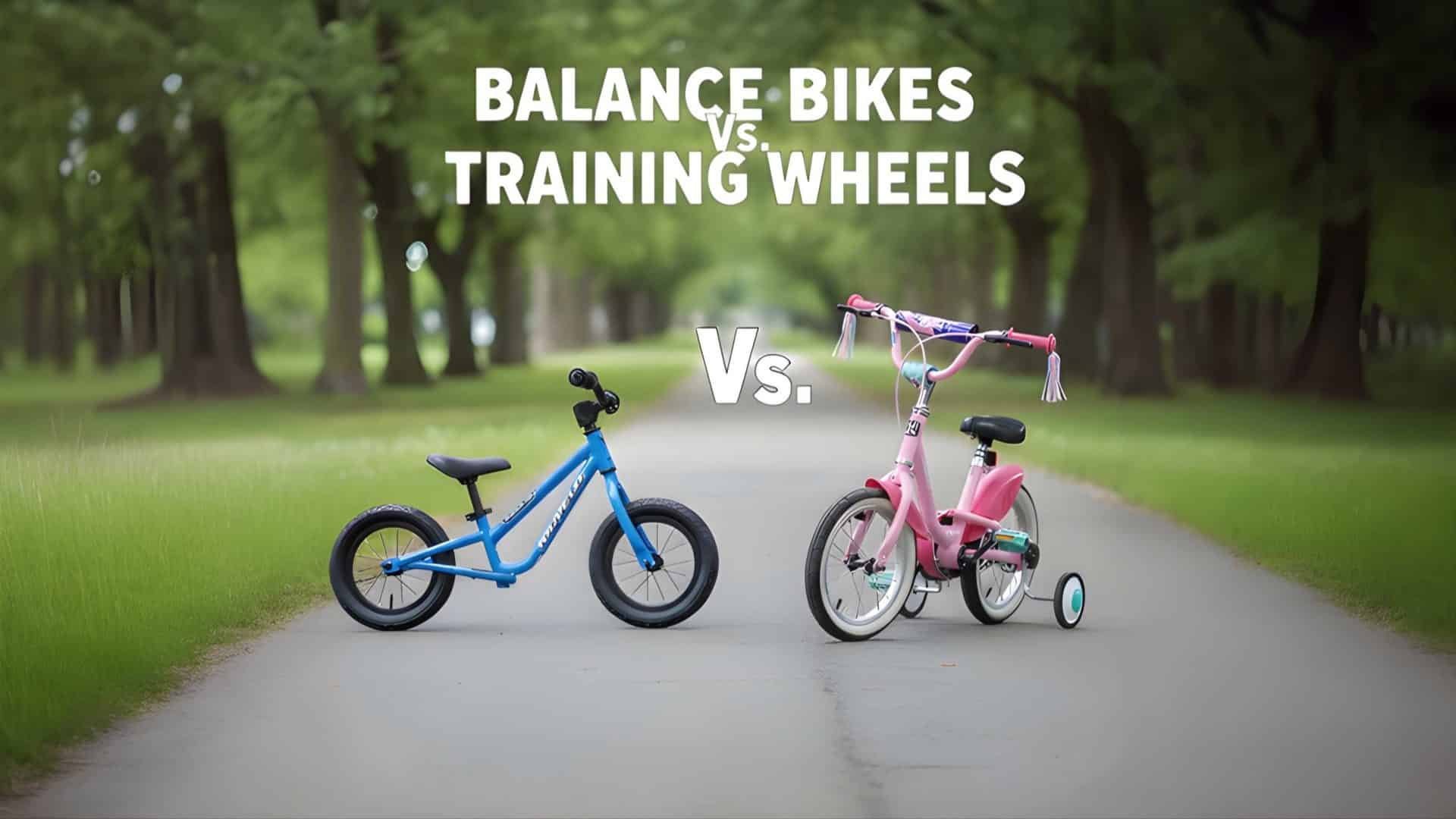
How To Maintain A Balance Bike
Balance bikes are simpler than pedal bikes, which makes them ideal for beginners — and easier to maintain too.
Unlike pedal bikes, balance bikes don’t have:
- Chains
- Gears
- Pedals
That means there are fewer parts to worry about.
Balance Bike Maintenance Checklist
Check The Tyres
Balance bike tyres should roll smoothly and maintain proper pressure.
Inspect The Handlebars
Make sure steering feels smooth and stable.
Check The Seat Height
As children grow quickly, seat adjustments are important for proper riding posture.
Inspect The Grips
Handlebar grips should feel secure and comfortable.
Tighten Loose Parts
Occasionally check bolts around the seat and wheels.
How Proper Maintenance Helps Kids Learn Faster
This is something many parents don’t realise.
When a bike rolls smoothly and responds properly:
- Kids balance more easily
- Steering feels predictable
- Riding becomes less tiring
- Confidence improves faster
Poorly maintained bikes can actually slow down the learning process.
That’s why choosing a lightweight, properly fitted kids bike — and keeping it in good condition — makes such a big difference.
Common Beginner Bike Maintenance Mistakes
Even well-meaning parents can accidentally make maintenance harder than it needs to be.
Here are some common mistakes to avoid.
Over-Inflating Tyres
Too much air can make bikes uncomfortable and harder for beginners to control.
Always follow the tyre pressure recommendations printed on the tyre sidewall.
Using Too Much Oil On The Chain
More lubricant isn’t always better.
Excess oil attracts dirt and grime, which can wear out the chain faster.
Use only a small amount and wipe away excess lubricant.
Ignoring Loose Bolts
Small rattles often turn into bigger problems later.
Regularly check:
- Handlebars
- Seats
- Pedals
- Wheels
Choosing A Bike That’s Too Heavy
Heavy bikes are harder for kids to balance, steer, and control.
A lightweight bike improves:
- Confidence
- Safety
- Learning speed
- Overall riding enjoyment
Waiting Until Something Breaks
Preventative maintenance is always easier and cheaper than repairs.
Small checks every few weeks can prevent most major issues.
Essential Bike Tools Every Beginner Should Own
You don’t need a professional workshop to maintain a kids bike at home.
A few simple tools are enough for most beginner maintenance tasks.
Beginner Bike Toolkit
Bike Pump
Essential for maintaining proper tyre pressure.
Allen Keys
Used for adjusting seats, handlebars, and brakes.
Bike Lubricant
Keeps chains running smoothly.
Tyre Levers
Helpful if you ever need to fix a flat tyre.
Cleaning Cloths
Perfect for wiping down frames and chains.
Basic Multi-Tool
A compact bike multi-tool covers most adjustments.
Tools You DON’T Need Yet
Many beginner riders don’t need:
- Advanced repair stands
- Specialist workshop tools
- Expensive torque wrenches
Keeping maintenance simple makes it less intimidating for parents and beginners.
When Should You Take A Bike To A Professional?
Some issues are best left to experienced bike mechanics.
Consider professional servicing if you notice:
- Brakes not working properly
- Bent wheels
- Cracked frame
- Gears skipping repeatedly
- Strange noises you can’t identify
A yearly professional service is a smart idea for frequently ridden bikes.
Seasonal Bike Maintenance Tips For Australian Families
Australia’s climate can be tough on bikes, especially for families who ride regularly outdoors.
Summer Riding Tips
Hot weather can affect tyre pressure and bike components.
During summer:
- Keep bikes stored in the shade
- Check tyres more frequently
- Wipe away dust and dirt regularly
Wet Weather Maintenance
Rain and mud increase wear on moving parts.
After wet rides:
- Dry the bike thoroughly
- Clean mud off tyres and brakes
- Lubricate the chain if needed
Bike Storage Tips
Where you store a bike matters.
Try to:
- Keep bikes undercover
- Avoid leaving bikes in the rain
- Store indoors when possible
Outdoor exposure can quickly lead to rust and faded components.
Beginner Bike Maintenance FAQ
How Often Should I Clean My Child’s Bike?
For regular riders, every few weeks is usually enough. Clean bikes sooner after muddy or wet rides.
Can I Use WD-40 On A Bike Chain?
WD-40 can help remove moisture, but it’s not a long-term chain lubricant. Use proper bike lubricant for best results.
How Do I Know If Bike Tyres Need Replacing?
Replace tyres if you notice:
- Cracks
- Bald tread
- Frequent punctures
- Visible damage
Are Balance Bikes Easier To Maintain?
Yes. Because balance bikes have fewer moving parts, they’re generally easier to maintain than pedal bikes.
How Often Should Kids Bikes Be Serviced?
For most families, a yearly professional service is a good idea — especially for bikes ridden regularly.
Final Thoughts
Bike maintenance doesn’t need to feel complicated or overwhelming.
A few simple habits can help keep your child’s bike:
- Safe
- Smooth
- Reliable
- Fun to ride
Regular maintenance also helps young riders build confidence and enjoy every ride more comfortably.
At Xchange Sports, we’re passionate about helping families find lightweight, beginner-friendly kids bikes that make learning to ride easier and more enjoyable.
Whether you’re shopping for a balance bike, pedal bike, scooter, or safety gear, our team is here to help you choose the perfect ride for your child’s next adventure.