The Complete Guide from Kids Bike Specialists in Australia
If there’s one secret to helping a child learn to ride a bike, it isn’t balance, strength, or even coordination—it’s fun.
When kids are relaxed, curious, and enjoying themselves, they learn faster, fall less often, and build confidence that lasts far beyond their first ride. That’s why modern cycling education has moved away from pressure-based training and towards play-based, confidence-first learning.
At Xchange Sports, we specialise in helping parents and grandparents turn bike riding into something children actually look forward to—not something they fear or struggle with.
This guide shares 10 expert, practical strategies to make bike riding fun, while also helping your child build real cycling skill from day one.
Why Fun is the Foundation of Learning to Ride
Before diving into the tips, it’s important to understand this:
Children don’t learn to ride bikes because they are told to.
They learn because they want to keep trying.
When cycling feels like a game instead of a lesson:
- Fear decreases
- Balance improves naturally
- Confidence builds faster
- Progress happens without pressure
Modern cycling education consistently supports this approach, with organisations like Cycling UK and REI emphasising confidence and enjoyment as key drivers of learning success.
Why Traditional Methods Often Slow Kids Down
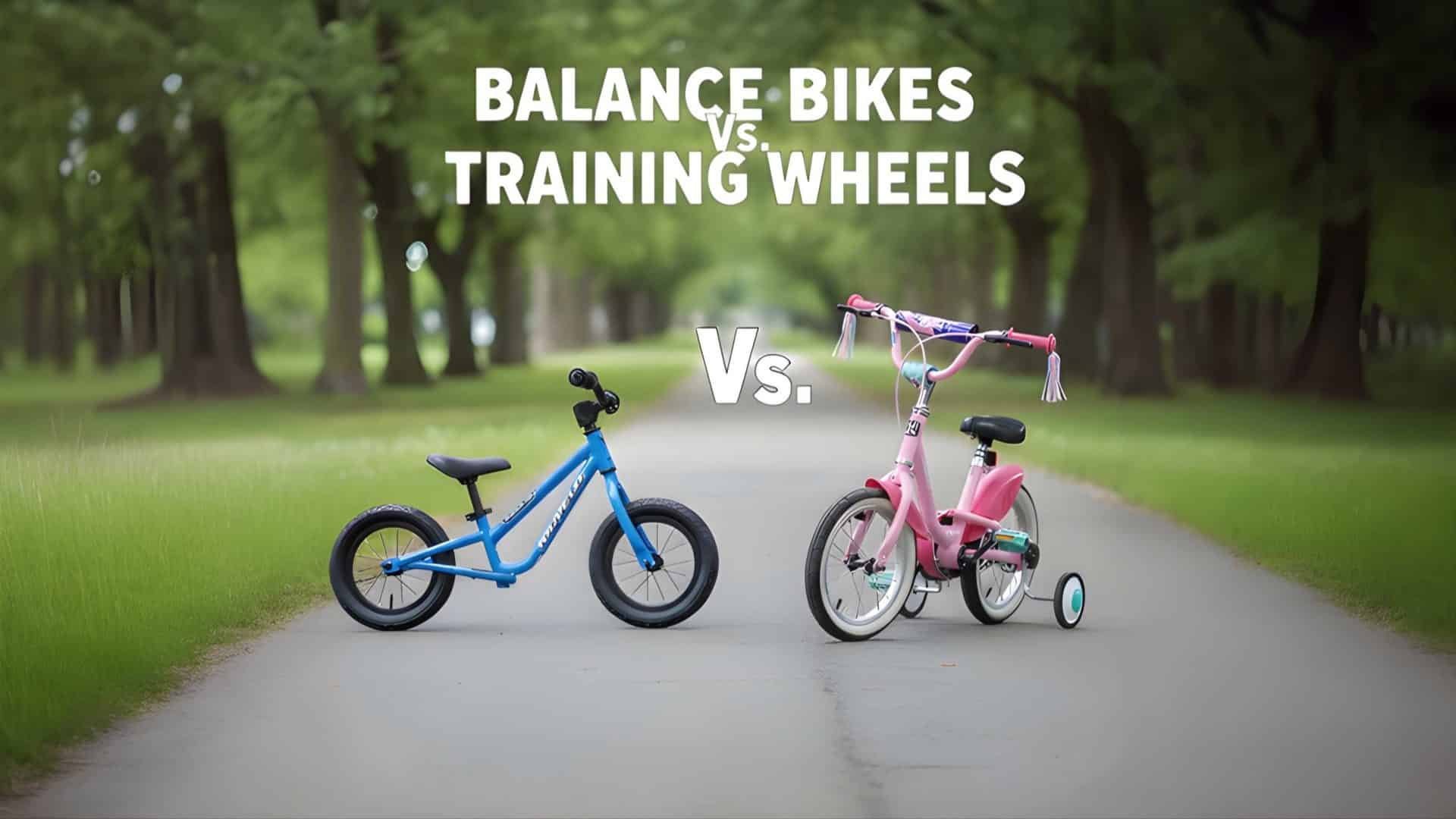
Many parents grew up with training wheels or “push and run” methods. While well-intentioned, these approaches can unintentionally delay learning.
Common issues with outdated methods:
- Training wheels prevent true balance development
- Over-instruction creates pressure and anxiety
- Heavy bikes reduce control and increase frustration
- Kids rely on support instead of building independence
A better approach focuses on balance first, pedalling second—which is exactly why balance bikes have become the global standard for early cycling.
Tip #1 – Start with the Right Bike (This Changes Everything)
Bike fit is the single biggest factor in how quickly a child learns.
The golden rule:
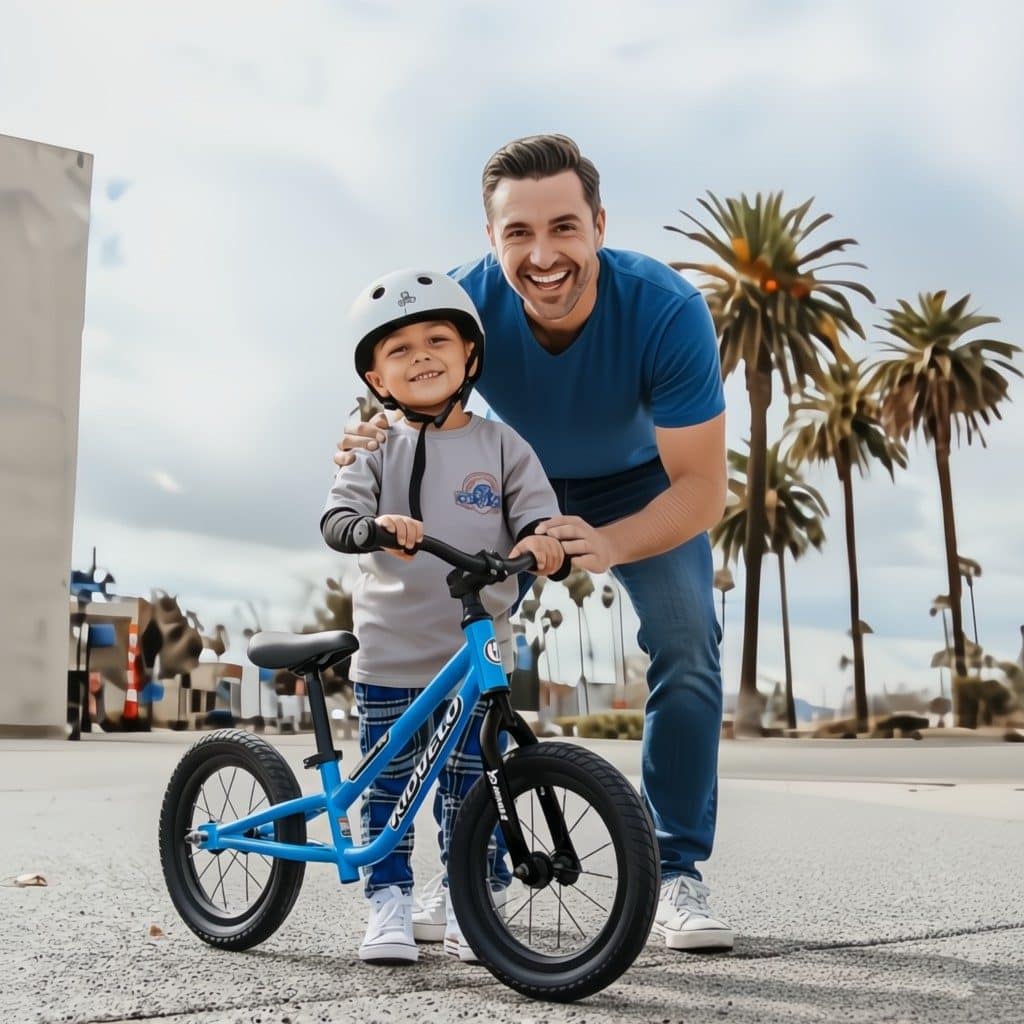
A child should be able to sit on the seat and place both feet flat on the ground.
Why it matters:
- Builds immediate confidence
- Removes fear of falling
- Allows natural stopping and starting
- Improves balance control
Lightweight bikes (especially balance bikes) allow children to focus on skill—not struggling with weight.
Tip #2 – Choose a Safe, Open Learning Space
Where your child learns is just as important as what they ride.
Best locations:
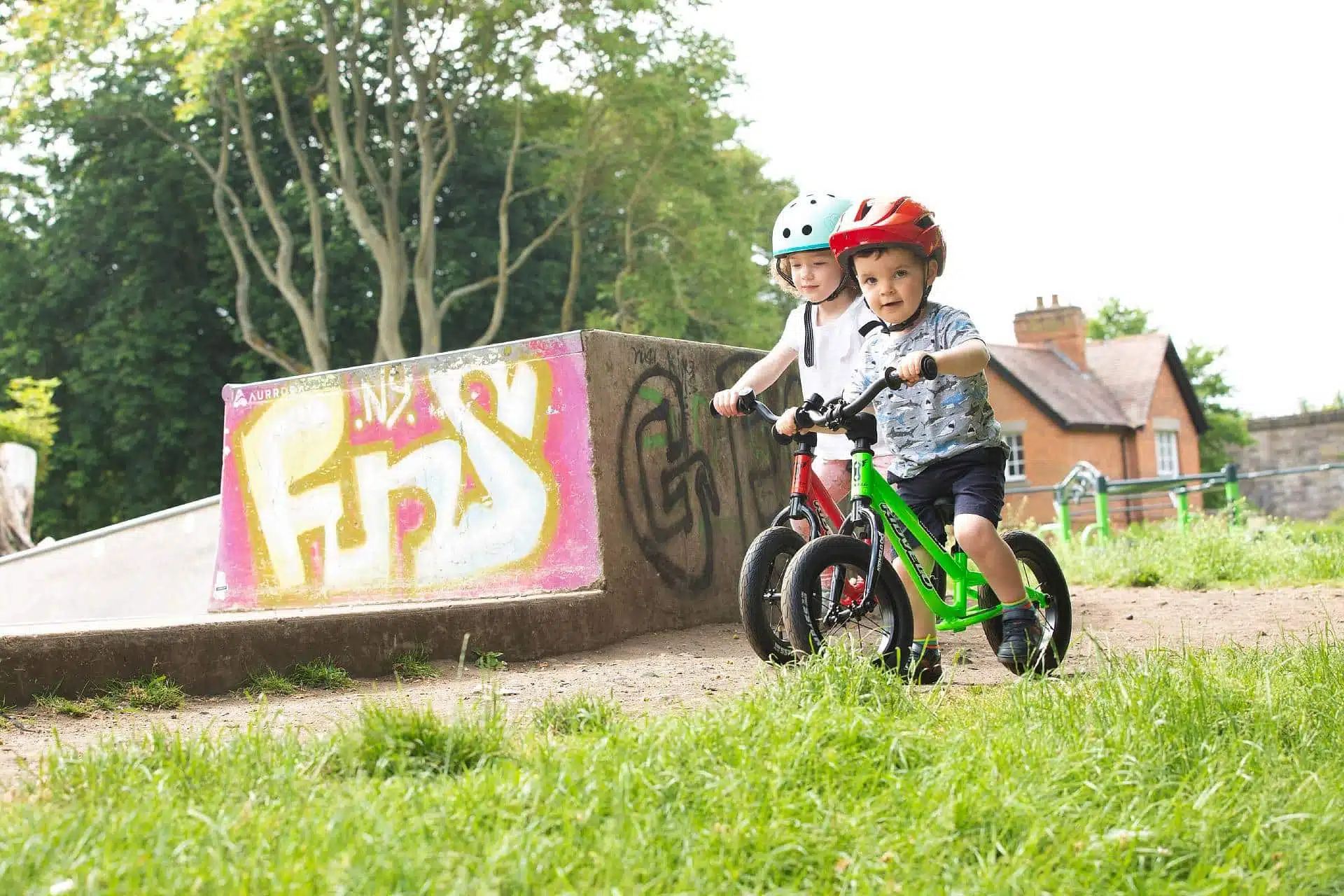
- Quiet parks
- Basketball courts
- Empty netball courts
- Grassy open spaces (for beginners)
Avoid:
- Driveways with obstacles
- Sloped or uneven terrain early on
- Busy playground congestion
The goal is simple: low distraction, high freedom.
Tip #3 – Turn Riding Into a Game, Not a Lesson
Kids learn best through play, not instruction.
Fun game ideas:
- Follow-the-leader riding
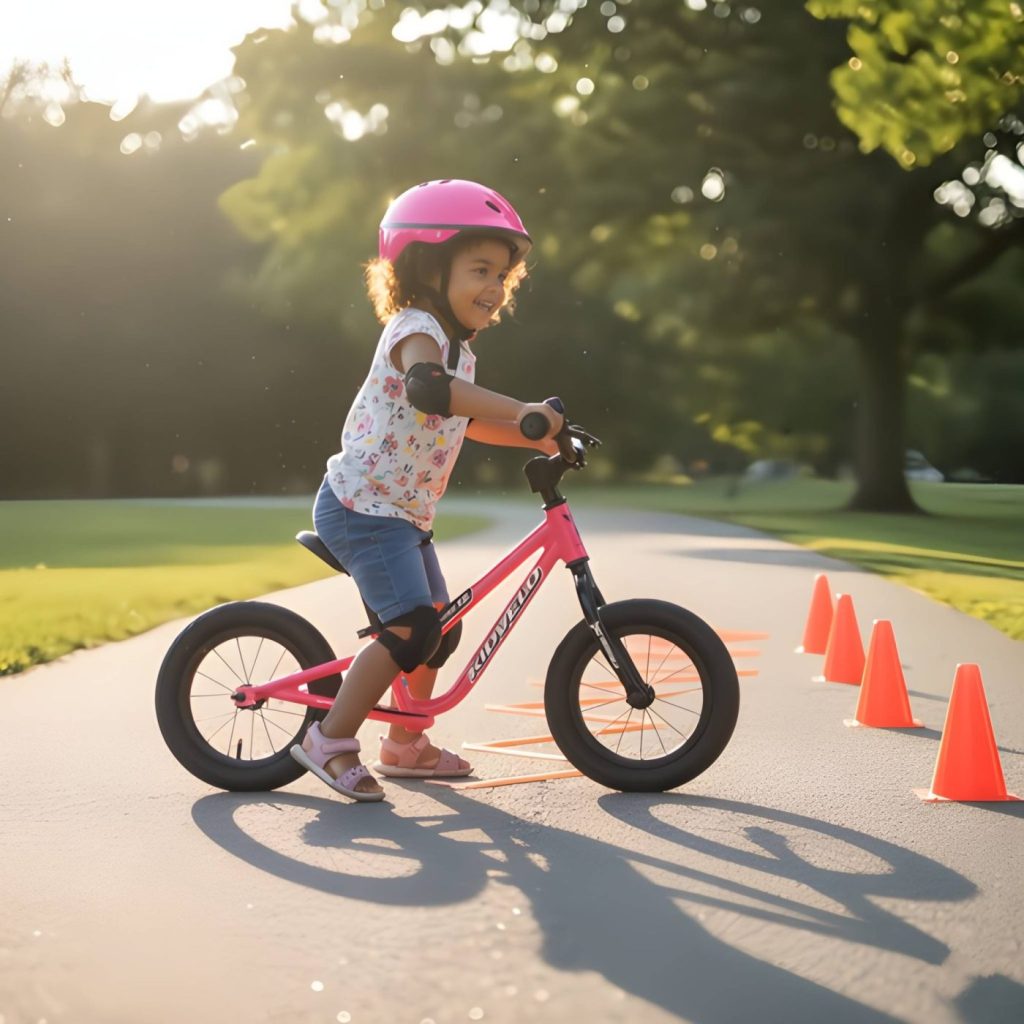
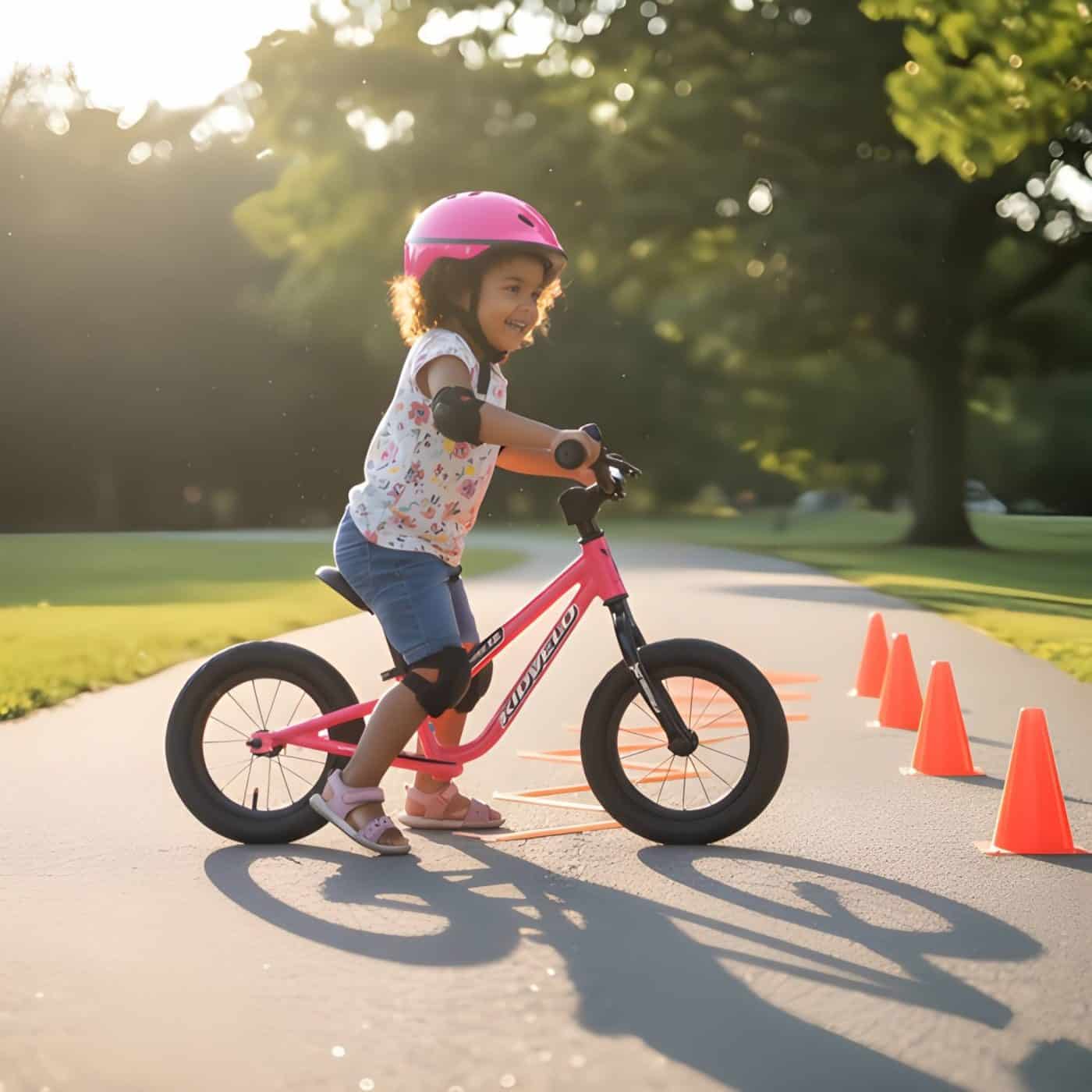
- Cone obstacle courses
- “Treasure hunt” cycling (ride to find hidden objects)
- Freeze-and-go riding games
These activities build repetition naturally without boredom or pressure.
Tip #4 – Use Balance Bikes (The Fastest Learning Method)
Balance bikes are now widely recognised as the most effective way for kids to learn cycling fundamentals.
Instead of focusing on pedalling, children master:
- Balance
- Steering
- Speed control
- Coordination
This approach removes training wheels completely from the equation and allows a smoother transition to pedal bikes later.
Why it works:
When kids already know how to balance, pedalling becomes the only new skill—making the transition dramatically easier.
Tip #5 – Teach Braking as a Confidence Tool
Stopping is just as important as moving.
Simple braking games:
- “Stop on command” challenge
- Red light / green light riding
- Target stop points (cones or markers)
When children learn they can stop safely, their confidence to ride increases immediately.
Tip #6 – Let Momentum Do the Teaching
One of the most surprising learning accelerators is this:
Slight speed = better balance
When a bike is moving slowly, it wobbles more. Gentle momentum helps stabilise the ride.
Safe practice:
- Small, controlled rolling starts
- Gentle downhill coasting (supervised)
- Smooth, flat surfaces for gliding
This builds natural balance without overthinking.
Tip #7 – Celebrate Small Wins (They Matter More Than Big Ones)
Progress in cycling is built in micro-moments.
Celebrate things like:
- First time gliding
- First smooth turn
- First independent start
- First stop without help
Avoid comparing children to others. Every child develops at their own pace.
Tip #8 – Keep Practice Short and Positive
Long sessions often lead to fatigue and frustration.
Ideal structure:
- 10–20 minutes per session
- Frequent short sessions over long ones
- Stop while they’re still having fun
This creates a positive emotional link with cycling.
Tip #9 – Let Kids Take the Lead
One of the biggest mistakes adults make is over-coaching.
Instead:
- Allow exploration
- Let them choose direction (within safe space)
- Reduce constant instruction
- Step in only when necessary
Independence is what builds true riding confidence.
Tip #10 – Ride Together as a Family
Children mirror adult behaviour.
When cycling becomes a shared activity:
- It feels normal, not forced
- Kids associate bikes with fun outings
- Confidence builds through observation
- Motivation increases naturally
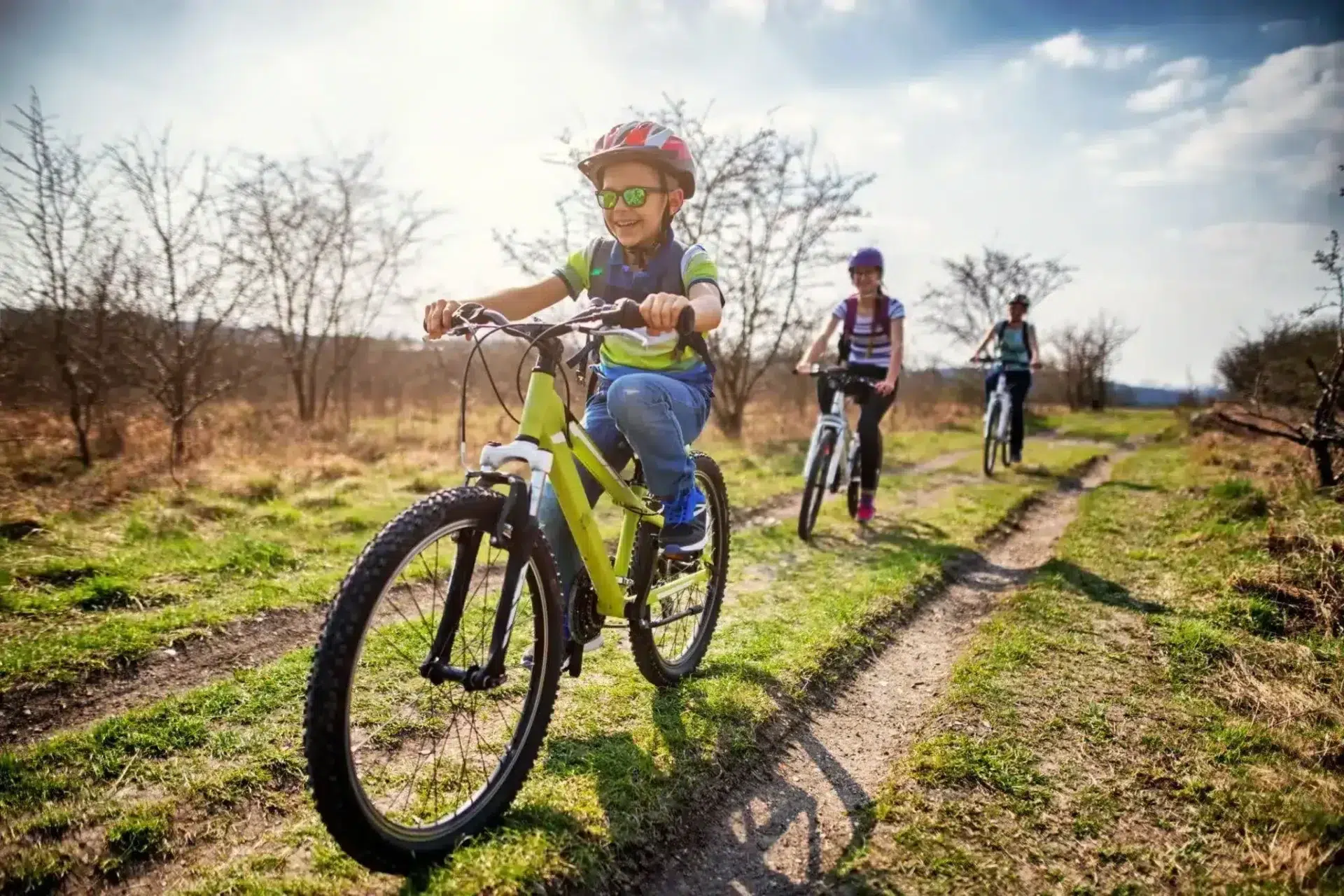
Weekend rides, park trips, and short family cycling loops all help reinforce positive habits.
The Power of Balance Bikes in Modern Learning
Balance bikes have transformed how children learn to ride.
Instead of training wheels, children develop:
- Core balance skills
- Natural steering control
- Confidence without fear of falling
- Smooth transition to pedal bikes
This is why more parents are choosing balance-first learning from the start.
At Xchange Sports, we see every day how quickly children progress when they begin with the right foundation.
Common Mistakes to Avoid
Even well-meaning parents can slow progress without realising it.
Avoid:
- Bikes that are too big or too heavy
- Using training wheels as a long-term solution
- Over-correcting every wobble
- Forcing pedalling before balance is ready
- Skipping helmet and safety habits
Small adjustments make a big difference in learning speed.
Essential Safety & Comfort Checklist
Before every ride, ensure:
- Helmet fits snug and level
- Closed-toe shoes are worn
- Bike seat is correctly adjusted
- Hands can comfortably reach handlebars
- Brakes (if present) are functional
Comfort equals confidence.
When Is a Child Ready for a Pedal Bike?
Look for these signs:
- Can glide with feet up for several seconds
- Can steer smoothly around corners
- Can stop confidently
- Shows control at gentle speed
At this point, transitioning to pedals is usually quick and easy.
Why Xchange Sports is Trusted by Parents and Grandparents
Choosing the right guidance matters.
Xchange Sports focuses on:
- Kids cycling education and confidence building
- High-quality balance bikes designed for learning
- Helping families choose the right bike from the start
- Making cycling simple, safe, and fun
We don’t just sell kids bikes—we help build lifelong riders.
Final Thoughts: Fun First, Skills Follow
If there’s one takeaway from this guide, it’s simple:
When bike riding is fun, children learn without even realising it.
Forget pressure. Forget rushing. Focus on play, encouragement, and consistency.
With the right environment and approach, most children surprise parents with how quickly they go from wobbly first steps to confident riding.
Ready to Start Your Child’s Riding Journey?
Explore beginner-friendly balance bikes and expert guidance at:
Xchange Sports