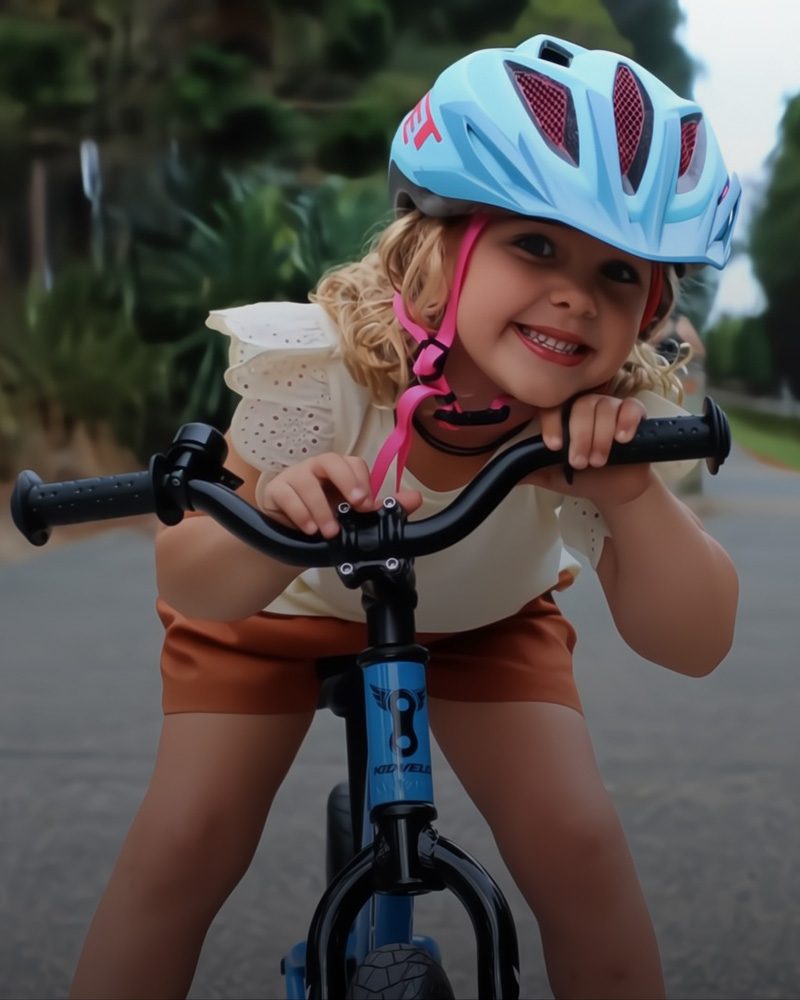
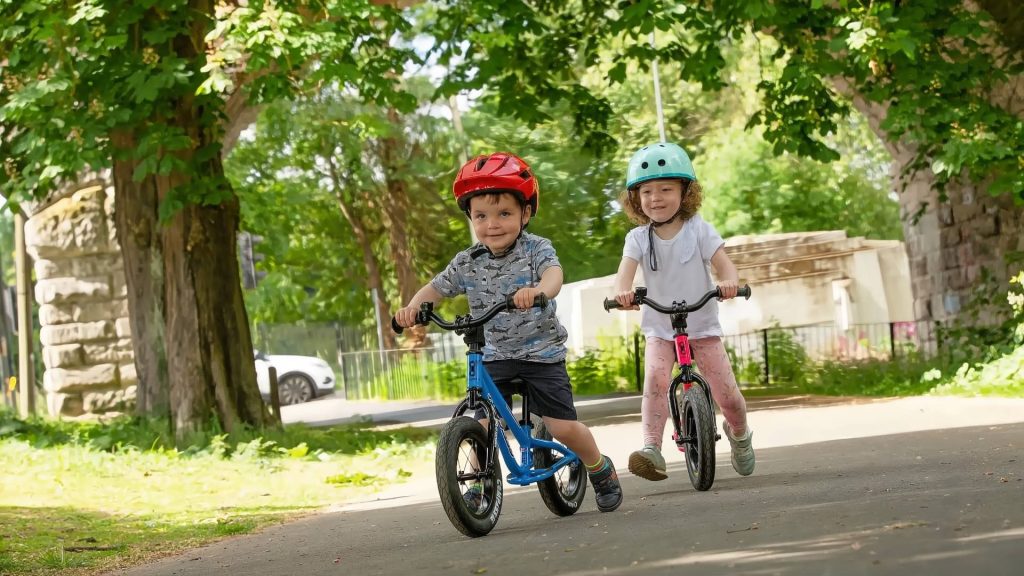
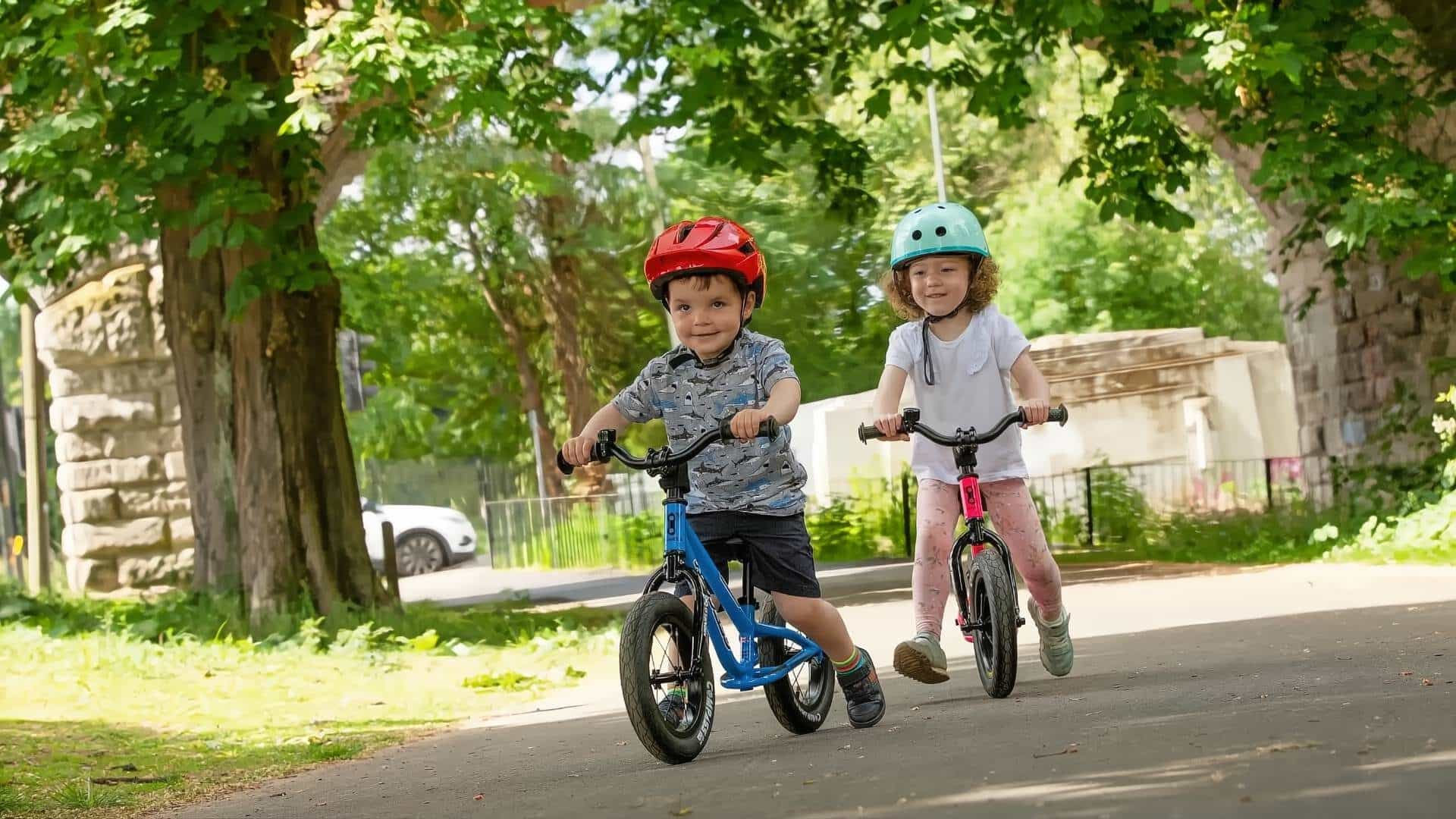
Learning to ride a bike is one of the biggest milestones in childhood. It’s exciting, empowering, and often emotional for both kids and parents. But if you’ve ever tried teaching a child to ride, you’ll know it can also feel frustrating, intimidating, and sometimes overwhelming — especially if your child is nervous or struggling with confidence.
The good news? Most children can learn to ride successfully with the right approach, the right bike, and plenty of encouragement.
At Xchange Sports, we believe teaching kids to ride should be fun, pressure-free, and confidence-building from day one. Whether your child is starting on a balance bike or moving onto their first pedal bike, this guide will walk you through everything you need to know.
You’ll learn:
- The best age to start
- Why balance bikes work so well
- Step-by-step teaching techniques
- How to build confidence
- Common mistakes parents make
- Tips for anxious beginner riders
Cycling experts consistently recommend teaching balance first before focusing on pedalling because it helps children learn naturally and progress faster.
When Is A Child Ready To Learn To Ride?
One of the most common questions parents ask is:
“What age should my child learn to ride a bike?”
The truth is there’s no perfect age. Every child develops differently.
Some toddlers confidently glide on balance bikes at 18 months, while other children may not feel ready for pedal bikes until age 5 or 6. What matters most is readiness — not age.
Signs Your Child May Be Ready
Your child may be ready to start learning if they:
- Enjoy active outdoor play
- Can walk and run confidently
- Show interest in bikes or scooters
- Follow simple instructions
- Want more independence
Many cycling experts now recommend introducing balance bikes early because they help children naturally develop coordination and balance skills.
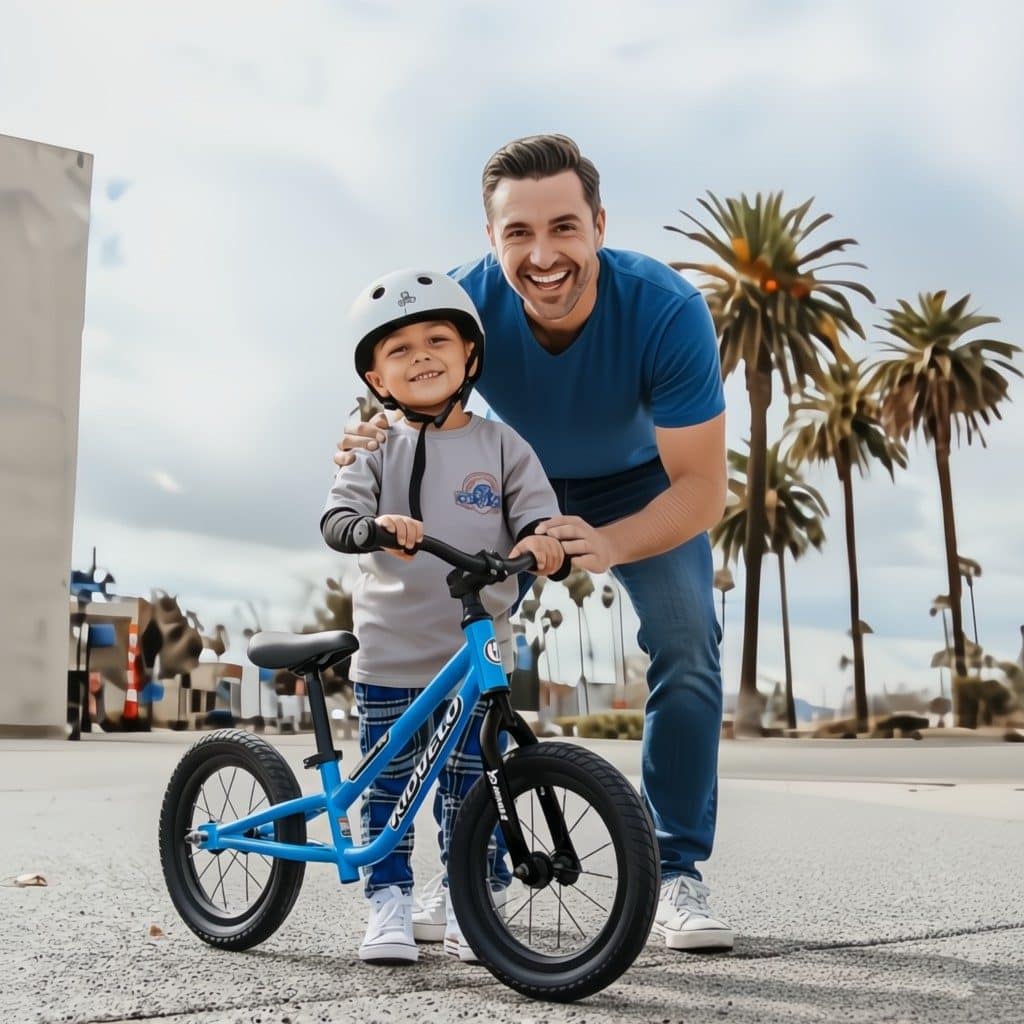
Why Balance Bikes Are The Best Way To Start
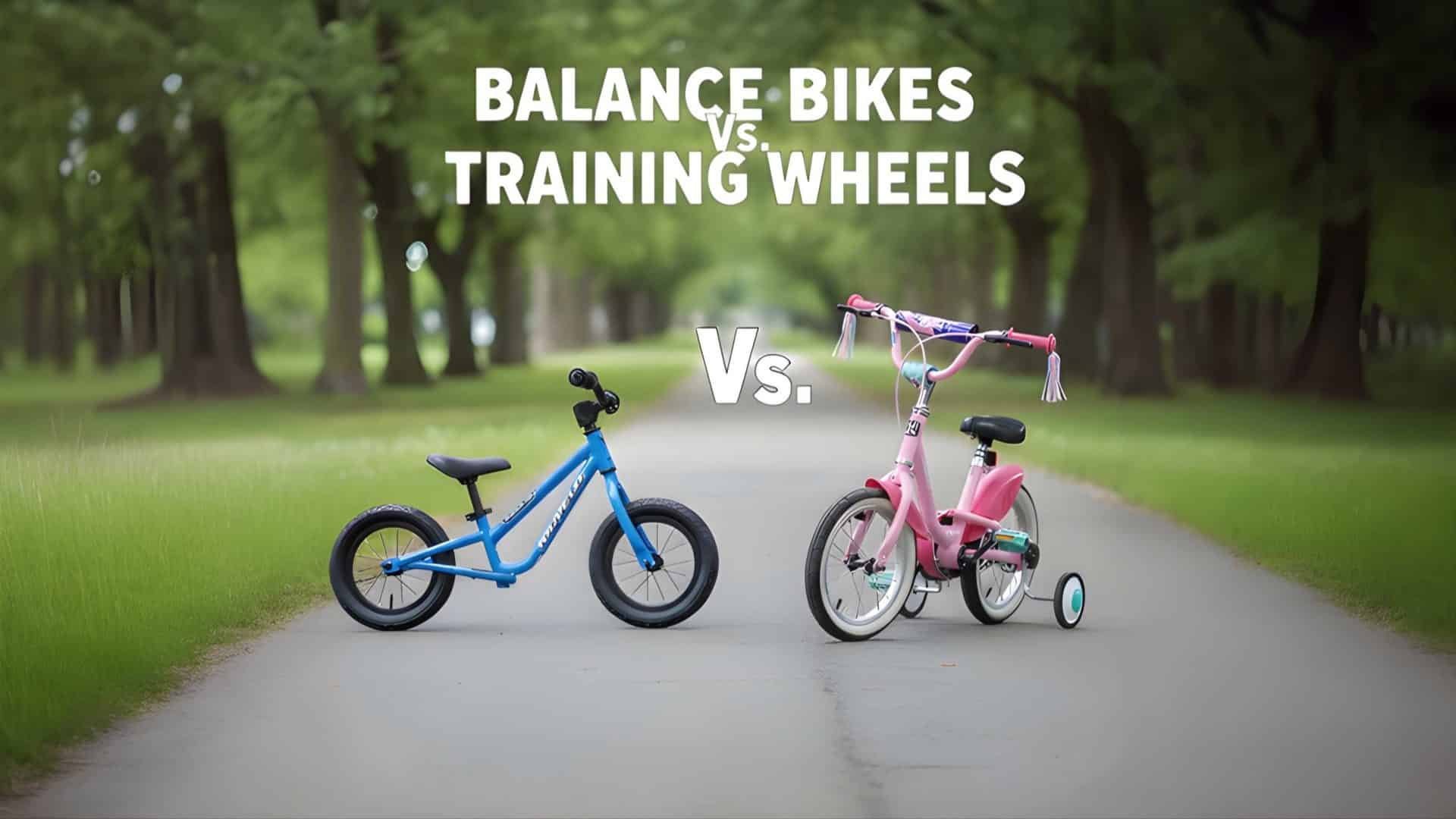
For years, many children learned using training wheels.
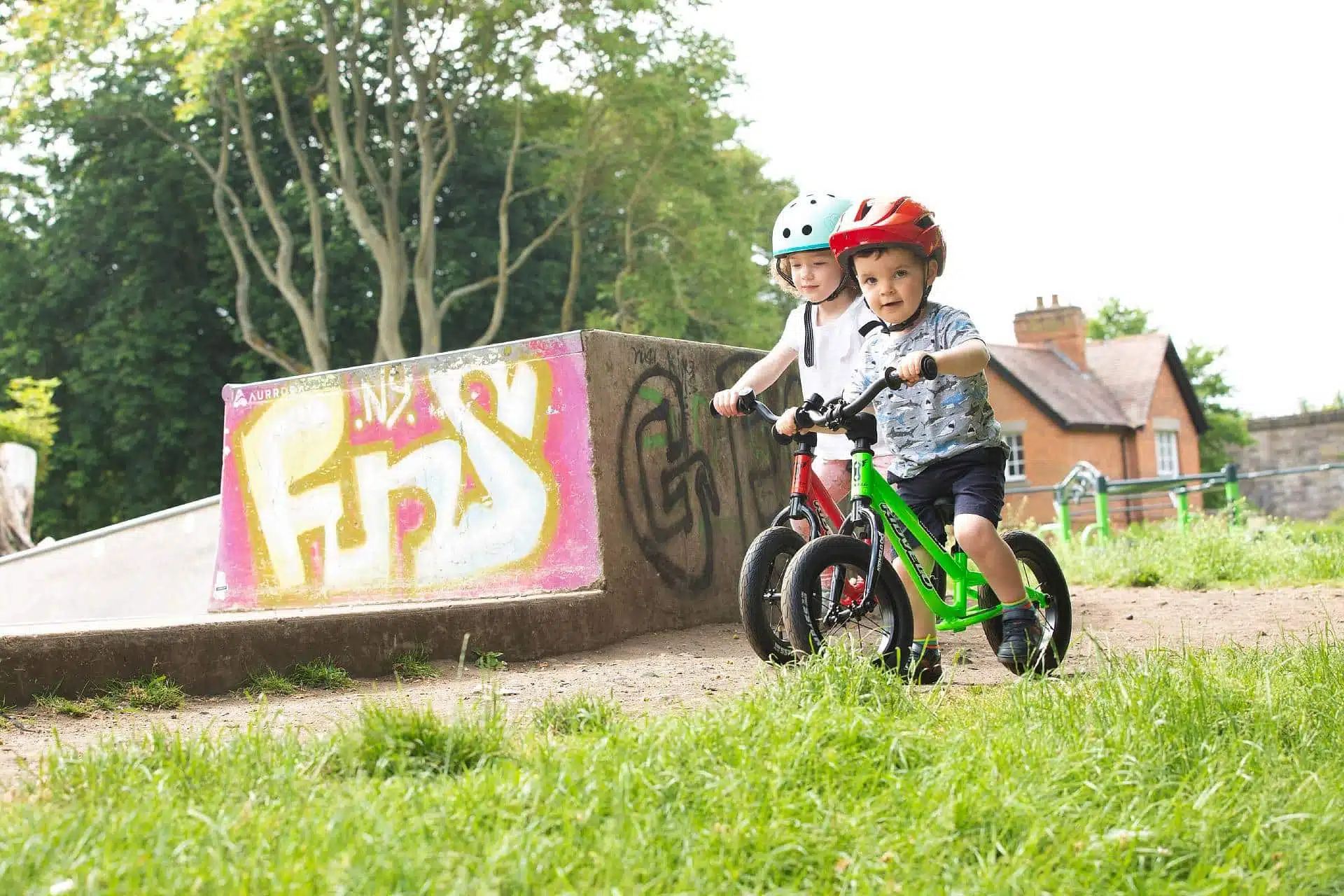
Today, most cycling experts recommend balance bikes instead. Why? Because balance bikes teach the hardest skill first — balancing.
Training wheels can actually delay balance development because children lean on the wheels instead of learning how to control the bike naturally.
Why Parents Love Balance Bikes
Balance bikes help kids:
- Build confidence faster
- Learn balance naturally
- Develop steering skills
- Transition more easily to pedals
- Ride independently sooner
Many children who master balance bikes can move to pedal bikes without ever needing training wheels.
Parents and cycling communities frequently describe balance bikes as the fastest and least stressful way to teach riding skills.
Choosing The Right Bike Makes A Huge Difference
One of the biggest mistakes parents make is buying a bike that’s too large so their child can “grow into it.”
Unfortunately, oversized bikes are harder to control and can make learning much more difficult.
Experts strongly recommend choosing a bike that allows kids to:
- Place their feet comfortably on the ground
- Reach the handlebars easily
- Feel stable and secure
- Control braking confidently
A properly fitted bike helps reduce fear and improves confidence dramatically.
What To Look For In A Beginner Bike
For first-time riders:
- Lightweight bikes are easier to handle
- Low seat heights improve confidence
- Smaller, child-specific frames work best
- Easy-to-use brakes help control
At Xchange Sports, we always recommend prioritising fit and confidence over buying oversized bikes for future growth.
Safety Gear Comes First
Before your child starts riding, make sure they have the right safety gear.
A Properly Fitted Helmet Is Essential
A helmet should:
- Sit level on the head
- Cover the forehead
- Fit snugly without wobbling
- Have secure straps forming a “V” around the ears
Cycling safety experts consistently stress that helmets must fit correctly to provide proper protection.
Other Helpful Safety Gear
Beginner riders may also benefit from:
- Closed-toe shoes
- Knee pads
- Elbow pads
- Comfortable clothing
Avoid loose pants or shoelaces that could catch in the bike.
The Best Place To Teach Riding
Where you teach your child matters more than many parents realise.
A busy or stressful environment can increase anxiety and make learning harder.
The Best Learning Areas
Look for:
- Empty basketball courts
- Quiet parks
- Smooth bike paths
- Flat paved surfaces
- Empty school playgrounds
Avoid
- Traffic
- Steep hills
- Crowded footpaths
- Rough grass
- Busy driveways
Cycling coaches recommend quiet, distraction-free spaces because children learn balance more effectively when relaxed and focused.
Step-By-Step: How To Teach A Child To Ride A Bike
Step 1: Start With Balance First
If your child is using a balance bike, you’re already teaching the most important skill.
If they’re using a pedal bike, many experts recommend temporarily removing the pedals so the bike functions like a balance bike.
Focus On:
- Walking with the bike
- Scooting forward
- Gliding with feet lifted
- Looking ahead while moving
The goal is confidence and balance — not pedalling yet.
Step 2: Practice Gliding
Once your child feels comfortable scooting, encourage longer glides with feet lifted.
This stage teaches:
- Natural balance
- Steering control
- Body positioning
- Confidence at speed
Experts often describe gliding as the key milestone before introducing pedals.
Fun Practice Ideas
Keep sessions playful with:
- Glide challenges
- “Red light, green light”
- Obstacle games
- Wide turning games
Children learn faster when they’re having fun.
Step 3: Teach Braking
Before introducing pedals, kids should feel comfortable slowing down and stopping safely.
Teach them to:
- Gently squeeze hand brakes
- Stop gradually
- Keep eyes forward
- Place feet down smoothly
Many beginner riders become anxious simply because they don’t feel confident stopping yet.
Step 4: Introduce Pedalling
Once your child can glide confidently and balance independently, it’s time to add pedals.
The Best Starting Method
Cycling experts often recommend:
- One foot on the ground
- One pedal positioned high at about 1–2 o’clock
- Push down firmly for momentum
Momentum helps balance happen naturally.
Avoid holding the handlebars too tightly while helping. Many coaches suggest lightly supporting the child’s shoulders or hips instead of controlling the bike itself.
Step 5: Practice Starts, Stops & Turning
Once your child pedals independently, continue practising:
- Starting from still positions
- Smooth braking
- Wide turns
- Steering control
- Riding in straight lines
Short, positive sessions usually work better than long exhausting lessons.
How To Teach An Anxious Child To Ride
Some children are naturally cautious — and that’s completely normal.
Fear of falling is one of the biggest reasons kids struggle to learn.
Confidence Tips For Parents
Keep Sessions Short
Stop before frustration takes over.
Celebrate Small Wins
Even tiny improvements matter:
- Longer glides
- Better steering
- Successful stopping
- First pedal strokes
Don’t Compare Kids
Every child learns differently and at their own pace.
Stay Positive
Children often feed off adult stress or pressure.
Cycling experts emphasise that relaxed, supportive environments help anxious children progress more confidently.
Common Mistakes Parents Make
Teaching riding becomes much easier when you avoid these common mistakes.
1. Using A Bike That’s Too Big
Oversized bikes reduce control and increase fear.
2. Rushing The Process
Confidence develops gradually.
3. Holding The Handlebars Constantly
Kids need opportunities to learn balance independently.
4. Starting On Grass
Grass slows bikes down and makes balancing harder.
5. Focusing On Pedalling Too Early
Balance should come first.
6. Teaching On Busy Paths
Stress and distractions reduce confidence.
7. Letting Frustration Build
Positive experiences matter more than speed.
Parents in cycling communities consistently recommend prioritising balance and confidence over rushing straight into pedalling.
How Long Does It Take A Child To Learn?
Every child learns differently.
Some children ride independently in one afternoon. Others may need weeks or months of practice.
Children who start on balance bikes often transition faster because they already understand:
- Balance
- Steering
- Gliding
- Coordination
Experts consistently note that balance-focused learning creates smoother transitions to pedal bikes.
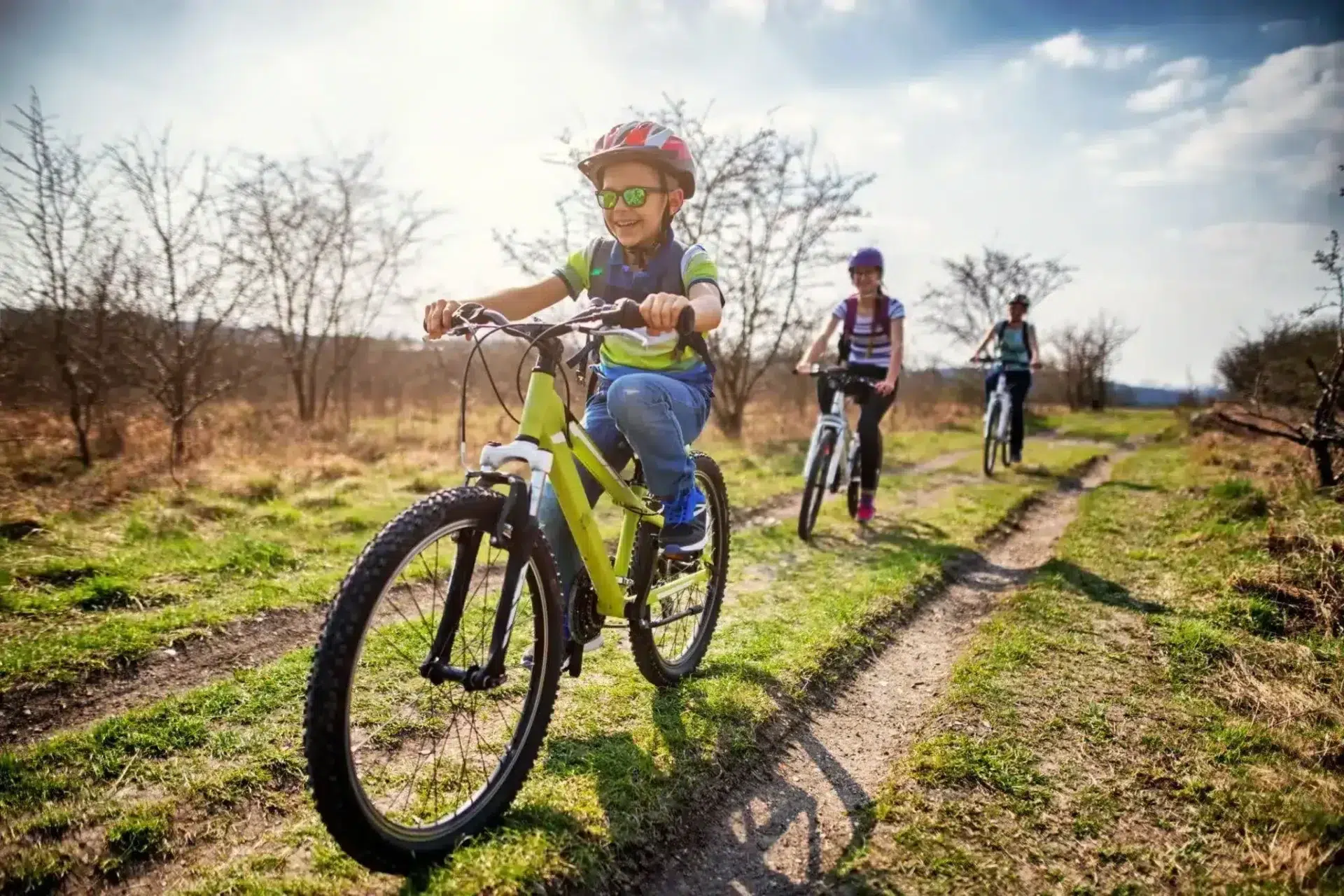
Signs Your Child Is Ready For Pedal Bikes
Your child may be ready to transition from a balance bike if they:
- Glide comfortably for long distances
- Lift feet naturally
- Steer confidently
- Control speed well
- Stop safely
Once those skills are consistent, pedalling usually comes surprisingly quickly.
Why Learning To Ride Is So Important
Bike riding builds much more than cycling skills.
Children also develop:
- Confidence
- Independence
- Coordination
- Balance
- Outdoor activity habits
- Social skills
Most importantly, riding creates freedom and fun that can last a lifetime.
Why Families Choose Xchange Sports
At Xchange Sports, we specialise in helping Australian families choose the right bikes for beginner riders.
Whether your child is:
- Starting on a balance bike
- Learning to pedal
- Transitioning from training wheels
- Building confidence outdoors
We’re passionate about helping kids enjoy safe, positive riding experiences from day one.
Our range of lightweight balance bikes, kids bikes, helmets, and safety gear is designed to make learning easier, safer, and more fun for growing riders.
Frequently Asked Questions
What age should a child learn to ride a bike?
Many children start balance bikes between 18 months and 5 years, but readiness varies for every child.
Are balance bikes better than training wheels?
Most cycling experts now recommend balance bikes because they teach balance naturally and often speed up the learning process.
How long does it take kids to learn to ride?
Some children learn in days while others take weeks or months. Confidence and consistency matter more than speed.
Should I remove pedals first?
Yes — many cycling coaches recommend removing pedals initially so kids can focus entirely on balance.
What is the easiest way to teach a child to ride?
Most experts recommend:
- Learning balance first
- Practising gliding
- Introducing pedals later
Should kids wear helmets on balance bikes?
Absolutely. Helmets should be worn every ride, including on balance bikes and scooters.
Final Thoughts
Teaching a child to ride a bike doesn’t need to be stressful.
With the right bike, the right environment, and a confidence-first approach, most children naturally learn to balance, glide, and pedal at their own pace.
The key is keeping the experience fun, encouraging, and pressure-free.
Whether your child is taking their very first glide on a balance bike or learning to pedal independently, every small step builds confidence and lifelong riding skills.
Explore beginner-friendly balance bikes, kids bikes, helmets, and riding gear at Xchange Sports and help your child start their riding journey with confidence.