Learning to Ride a Scooter: Watching your child learn to ride a scooter is one of those exciting milestones parents never forget. The smiles, the growing confidence, and the independence that comes from mastering a new skill make scooter riding an incredible activity for kids of all ages.
Scooters are more than just a fun toy. They help children develop balance, coordination, confidence, and motor skills that can later help with riding bikes, balance bikes, and even participating in sports. At Xchange Sports Australia, we believe every child should have the opportunity to learn safely while building confidence outdoors.
Whether your child is just starting out on a three-wheel scooter or preparing for their first two-wheel scooter, this guide covers the essential tips every parent should know.
Why Scooters Are Great For Kids
Scooters are one of the best outdoor activities for young children because they combine fun with physical development.
Some of the biggest benefits of scooter riding include:
- Improving balance and coordination
- Building confidence and independence
- Encouraging outdoor activity
- Developing motor skills
- Teaching spatial awareness
- Preparing children for bike riding
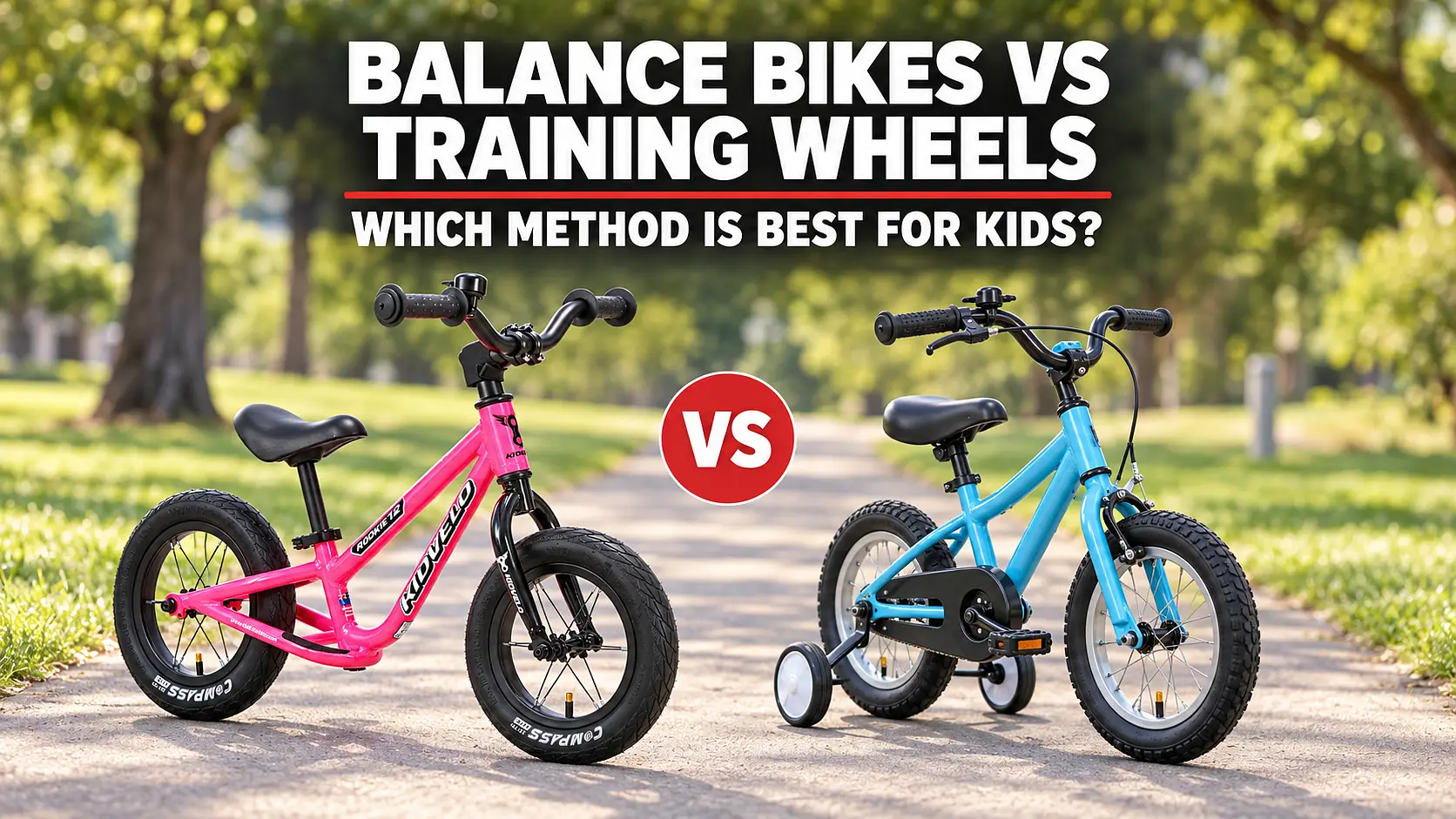
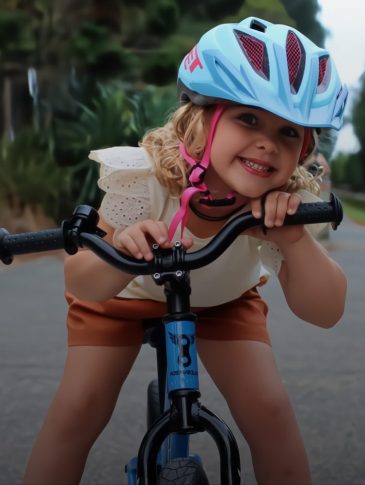
Many parents are surprised to discover that children who ride balance bikes often learn scooters faster because they already understand balancing and steering movements.
Scooter riding also encourages children to spend less time on screens and more time being active outdoors, which is incredibly important for healthy development.
Choosing The Right Scooter For Your Child
One of the biggest mistakes parents make is buying the wrong scooter size or style. Choosing the right scooter can dramatically improve safety and make learning much easier.
Pick The Right Scooter By Age
Ages 2–4
A three-wheel scooter is usually the best option for younger children. These scooters offer extra stability and help kids build confidence while learning balance and steering.
Ages 4–7
Many children in this age group are ready to transition to a lightweight two-wheel scooter once they develop basic coordination and confidence.
Ages 7+
Older children often prefer larger scooters with more responsive steering and smoother wheels for longer rides.
Why Scooter Size Matters
A properly sized scooter helps children stay balanced and maintain control.
Look for:
- Handlebars that sit around waist height
- Lightweight frames
- Wide stable decks
- Smooth rolling wheels
- Easy-to-use brakes
Heavy scooters can make learning frustrating for younger children, while oversized scooters can reduce control and confidence.
See Australian Safety Standard , Scooters by Xchange Sports Australia.
Three-Wheel vs Two-Wheel Scooters
Three-Wheel Scooters Learning
Best for:
- Younger children
- Beginners
- Kids developing balance
Benefits:
- Extra stability
- Easier steering
- Greater confidence early on
Two-Wheel Scooters Learning
Best for:
- Experienced riders
- Older children
- Kids with strong balance skills
Benefits:
- Faster riding
- Better maneuverability
- More advanced skill development
Essential Safety Gear Every Child Needs
Before your child rides a scooter, proper safety gear is essential.
At Xchange Sports, safety always comes first.
Helmet Safety
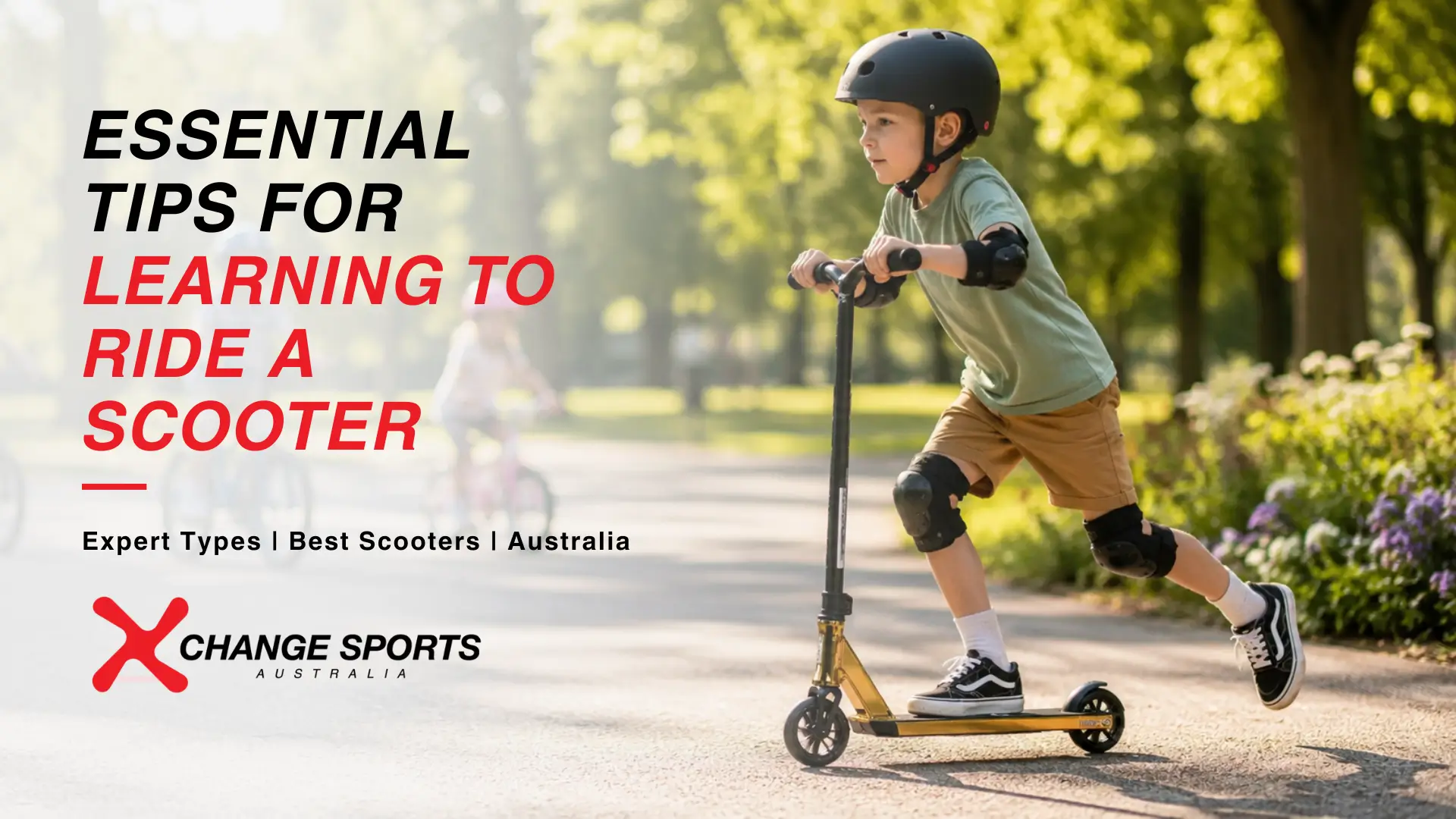
A properly fitted helmet is the most important piece of safety equipment.
Your child’s helmet should:
- Sit level on the head
- Fit snugly without moving
- Cover the forehead properly
- Meet Australian safety standards
Helmets dramatically reduce the risk of head injuries and should always be worn — even for short rides.
Discover Kids Scooter Helmet by Xchange Sports
Knee Pads, Elbow Pads & Wrist Guards
Protective pads help children feel more confident while learning because small falls become less intimidating.
Recommended protective gear:
- Knee pads
- Elbow pads
- Wrist guards
These are especially important for beginner scooter riders.
The Best Shoes For Scooter Riding
Children should always wear:
- Closed-toe shoes
- Shoes with grip
- Comfortable athletic footwear
Avoid:
- Sandals
- Thongs
- Bare feet
Good footwear improves control and reduces slips.
Step-By-Step Guide To Learn to Ride a Scooter
Learning to ride a scooter should be fun, gradual, and confidence-building.
Step 1: Start In A Safe Open Area
The best learning environments include:
- Smooth footpaths
- Empty basketball courts
- Quiet parks
- Flat driveways
Avoid steep hills or busy areas when children are first learning.
Step 2: Learn Proper Foot Position
Teach your child:
- One foot stays on the scooter deck
- The other foot pushes off the ground
- Both hands stay firmly on the handlebars
Encourage them to look ahead instead of down at their feet.
Step 3: Practice Pushing & Gliding
Start slowly with small pushes.
As children become more comfortable:
- They’ll glide longer
- Their balance improves naturally
- Steering becomes smoother
Short practice sessions often work better than long ones.
Step 4: Learning To Turn
Turning is often the next big challenge.
Teach children to:
- Lean gently
- Turn gradually
- Avoid sudden movements
Practicing wide turns first helps build confidence.
Step 5: Master Braking
Most kids scooters use a rear foot brake.
Teach children to:
- Apply gentle pressure
- Slow down gradually
- Practice stopping frequently
Learning how to stop safely is just as important as learning how to ride.
Step 6: Build Confidence Slowly
Every child learns at a different pace.
Celebrate small wins like:
- First successful glide
- First controlled turn
- First smooth stop
Positive encouragement helps children stay motivated and confident.
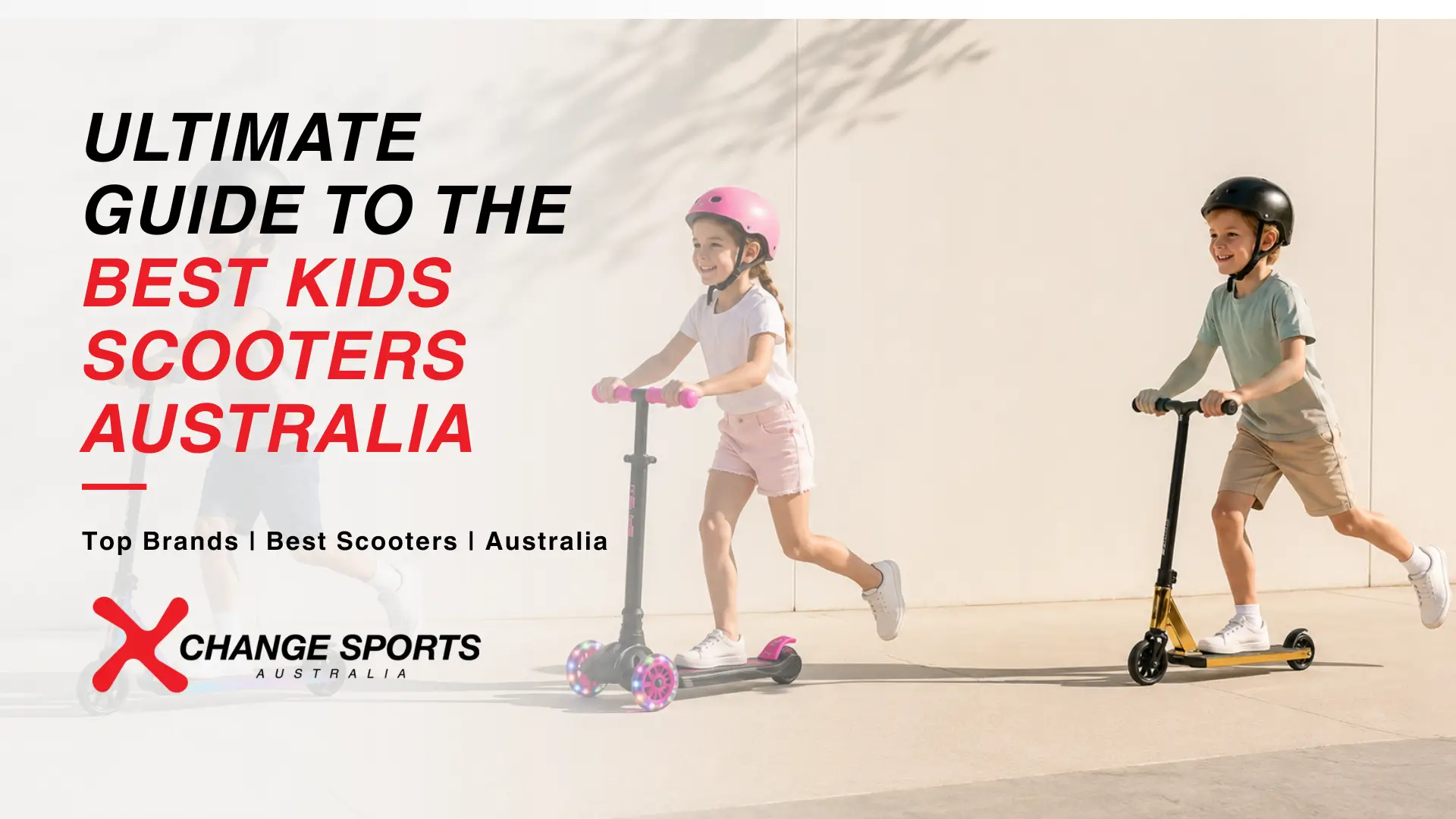
Discover Your Guide To The Best Kids Scooters Australia
Common Scooter Riding Mistakes Beginners Make
Even confident kids make mistakes while learning.
Here are some common beginner errors parents should watch for:
Looking Down While Riding
Children naturally want to watch their feet, but looking ahead improves balance and steering.
Riding Too Fast Too Early
Speed should come after confidence and control.
Using The Wrong Scooter Size
Oversized scooters can feel unstable and difficult to manage.
Poor Helmet Fit
Loose helmets reduce protection significantly.
Learning On Rough Surfaces
Uneven ground can make balancing much harder for beginners.
Best Places For Kids To Learn Scooter Riding
Choosing the right location can make learning much easier.
Great Places To Practice
- Quiet parks
- School playgrounds
- Smooth pathways
- Empty courts
Places To Avoid
- Busy roads
- Gravel paths
- Wet surfaces
- Steep hills
- Crowded footpaths
Flat smooth surfaces are ideal for beginner riders.
How Balance Bikes Help Kids Learn Scooters Faster
Many parents notice that children who use balance bikes often learn scooters quickly.
That’s because balance bikes teach:
- Coordination
- Steering control
- Balance awareness
- Confidence with movement
At Xchange Sports Australia, we often recommend balance bikes as one of the best foundations for all future riding activities, including scooters and pedal bikes.
Children who start with balance bikes often transition to:
- Scooters faster
- Pedal bikes easier
- More advanced riding skills earlier
When Is A Child Ready For A Two-Wheel Scooter?
Every child develops differently, but some common signs include:
- Strong balance
- Comfortable gliding
- Confident steering
- Safe braking skills
- Understanding basic safety rules
If your child still struggles with balance, continuing on a three-wheel scooter or balance bike can help build those skills further.
Scooter Safety Rules Every Parent Should Teach
Teaching safe riding habits early is extremely important.
Children should learn to:
- Always wear a helmet
- Watch for pedestrians
- Stop at driveways
- Keep both hands on handlebars
- Ride at safe speeds
- Stay away from traffic
- Avoid riding in wet conditions
Good habits developed early often stay with children for life.
Frequently Asked Questions About Kids Scooters
1 – What Age Can Kids Start Riding Scooters?
Many children can begin using three-wheel scooters from around 2 years old with supervision.
2 – Are Three-Wheel Scooters Better For Beginners?
Yes. Three-wheel scooters provide greater stability and are usually easier for young children to learn on.
3 – Should Kids Wear Helmets On Scooters?
Absolutely. Helmets are essential for every ride, regardless of distance or skill level.
4 – Is A Scooter Easier To Learn Than A Bike?
For many children, yes. Scooters often feel less intimidating because kids can step off quickly and stay closer to the ground.
5 – Do Balance Bikes Help With Scooter Riding?
Yes. Balance bikes develop many of the same coordination and balance skills needed for scooter riding.
Why Parents Choose Xchange Sports Australia
At Xchange Sports Australia, we’re passionate about helping children build confidence through riding.
We specialise in:
- Kids balance bikes
- Kids scooters
- Beginner pedal bikes
- Helmets and protective gear
- Outdoor riding products
Our focus is always on:
- Safety
- Quality
- Confidence building
- Child-friendly designs
- Expert advice for parents
We understand how important those first riding experiences are, and we’re here to help every step of the way.
Final Thoughts
Learning to ride a scooter is an exciting milestone that helps children build confidence, coordination, and independence.
With the right scooter, proper safety gear, and plenty of encouragement, kids can quickly develop the skills they need to ride safely and confidently.
Starting with the basics, practicing regularly, and choosing quality equipment makes the entire learning process more enjoyable for both children and parents.
If you’re looking for expert advice, beginner-friendly scooters, balance bikes, or kids riding gear, explore the range at Xchange Sports Australia and help your child start their riding journey with confidence.