Teaching your child to ride a bike is one of those unforgettable parenting milestones. From the first little push on a balance bike to their first confident ride down the path, cycling helps children build independence, coordination, fitness, and confidence.
But while riding bikes is fun, safety always comes first.
At Xchange Sports, we believe helping kids ride safely is just as important as helping them ride confidently. Whether your child is starting on a balance bike or moving onto their first pedal bike, building strong safety habits early can make all the difference.
In this complete parent guide, we’ll cover the most important bike safety tips for kids, including helmet fitting, choosing the right bike, safe riding locations, beginner riding advice, and how to help children become safe and confident riders for life.
Why Bike Safety Is So Important For Kids
Children are still developing important riding skills including:
- Balance
- Coordination
- Reaction times
- Spatial awareness
- Hazard recognition
That means even small mistakes can lead to falls or injuries if proper safety habits are not in place.
The good news is that most bike accidents involving young children are preventable with:
- Correct bike sizing
- Proper helmet use
- Supervision
- Safe riding environments
- Age-appropriate bikes
Teaching safety from the very beginning helps children develop good habits that stay with them as they grow older and become more independent riders.
According to Australian health and safety organisations, properly fitted helmets significantly reduce the risk of serious head injuries in cycling accidents.
Start With The Right Bike
One of the biggest mistakes parents make is buying a bike that is too big for their child.
While it might seem practical to “buy a bigger bike so they grow into it,” oversized bikes are actually much harder — and less safe — for children to control.
Why Proper Bike Size Matters
A correctly fitted kids bike allows children to:
- Place their feet comfortably on the ground
- Reach the handlebars easily
- Use the brakes confidently
- Steer safely
- Build confidence faster
When a bike is too large, children often:
- Lose balance easily
- Struggle to stop safely
- Feel nervous or scared
- Develop poor riding habits
At Xchange Sports, we always recommend choosing a bike based on your child’s height, confidence, and skill level — not just their age.
Why Balance Bikes Are Safer For Beginners
For young children learning to ride, balance bikes are one of the safest and most effective ways to start.
Unlike training wheels, balance bikes teach children the most important cycling skill first — balance.
Benefits Of Balance Bikes
Balance bikes help children:
- Learn natural balance
- Improve coordination
- Develop steering control
- Build confidence gradually
- Transition to pedal bikes more easily
Because children keep their feet close to the ground, they feel safer and more in control while learning.
This often leads to:
- Fewer falls
- Faster learning
- Better riding confidence
- Smoother transition to pedal bikes
Many parents are surprised by how quickly children progress once they start on a quality balance bike.
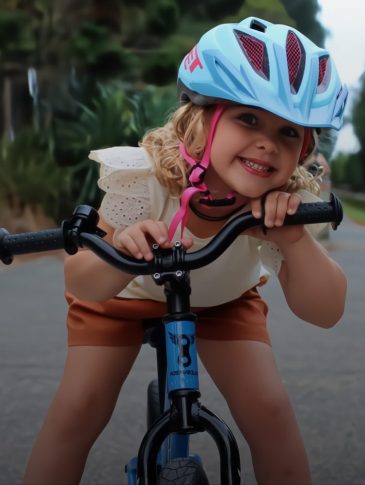
Always Wear A Properly Fitted Helmet
A helmet is the single most important piece of bike safety equipment for kids.
No matter how short the ride is, children should always wear an Australian-approved bike helmet.
How To Fit A Kids Bike Helmet Correctly
A properly fitted helmet should:
- Sit level on the child’s head
- Cover the forehead
- Fit snugly without wobbling
- Have straps forming a “V” under the ears
- Stay secure when the child shakes their head
If the helmet moves around too much, it may not provide proper protection in an accident.
Common Helmet Mistakes Parents Make
Many parents unknowingly fit helmets incorrectly. Common mistakes include:
- Helmet tilted too far backward
- Loose chin straps
- Oversized helmets
- Wearing hats underneath helmets
A good rule to teach kids early is:
“No Helmet, No Ride”
Making helmets part of the routine helps create lifelong safe riding habits.
Choose Safe Places For Kids To Ride
Where children ride is just as important as what they ride.
Young beginners should always learn in calm, controlled environments away from traffic and hazards.
Best Places For Beginner Riders
Great beginner riding areas include:
- Quiet parks
- Bike paths
- Empty basketball courts
- Flat grassy areas
- Quiet cul-de-sacs
- Open playground paths
These locations give children room to practice balancing, steering, and stopping without distractions or dangers.
Places To Avoid
Avoid teaching kids to ride in areas with:
- Busy roads
- Steep hills
- Driveways with reversing cars
- Loose gravel
- Wet surfaces
- Crowded footpaths
Starting in safe environments helps children build confidence gradually and reduces unnecessary risks.
Teach Kids Essential Bike Safety Rules
Bike safety isn’t just about equipment — it’s also about awareness and decision-making.
Children should begin learning basic riding rules from their very first ride.
Important Safety Rules Every Child Should Know
Teach children to:
- Stop before crossing roads
- Look left, right, then left again
- Watch for cars reversing from driveways
- Ride at safe speeds
- Stay alert around pedestrians
- Keep both hands on handlebars
- Avoid distractions while riding
Simple, repetitive reminders help reinforce safe riding behaviour.
Teach Road Awareness Gradually
As children grow older and become more confident riders, they can begin learning more advanced cycling safety skills.
Older Kids Should Learn:
- Hand signals
- Traffic awareness
- Road signs
- Safe crossing points
- Visibility and blind spots
- Safe group riding behaviour
Parents should always supervise younger riders and slowly introduce road awareness over time.
Lead By Example
Kids learn by watching adults.
If parents:
- Wear helmets
- Follow road rules
- Ride responsibly
- Stay aware of surroundings
Children are far more likely to copy those safe habits.
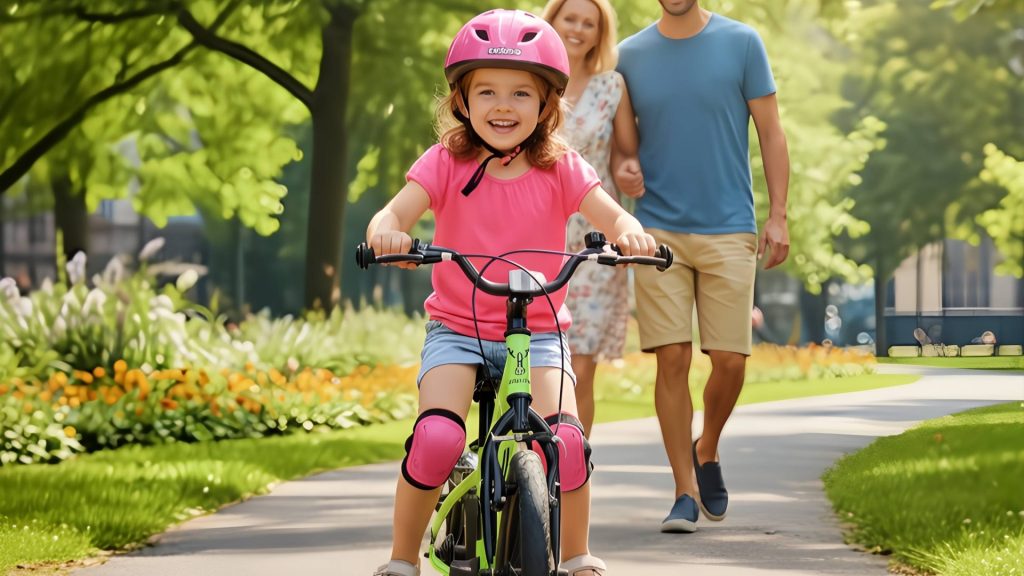
Riding together as a family is one of the best ways to teach bike safety naturally.
Wear The Right Clothing And Protective Gear
The right riding gear can improve both comfort and safety.
Best Clothing For Kids Riding Bikes
Children should wear:
- Bright or visible clothing
- Closed-toe shoes
- Comfortable fitted clothes
- Weather-appropriate layers
Avoid:
- Loose clothing near chains
- Open sandals
- Long untied shoelaces
Extra Protective Gear For Beginners
For younger riders or children learning new skills, extra protective gear can help build confidence.
Helpful beginner gear includes:
- Knee pads
- Elbow pads
- Gloves
These are especially useful for:
- Balance bike beginners
- Scooter riders
- Skatepark areas
- Uneven riding surfaces
Visibility Matters
If riding in lower light conditions, visibility becomes extremely important.
Ways To Improve Visibility
- Bike reflectors
- Front and rear lights
- Bright coloured clothing
- Reflective gear
Children should avoid riding at dusk or night unless visibility is excellent and supervision is present.
Complete Bike Safety Checklist For Parents
Before every ride, take 30 seconds to do a quick bike safety check.
Kids Bike Safety Checklist
Helmet
- Fits properly
- Chin strap secure
- No visible cracks or damage
Bike
- Tyres inflated
- Brakes working
- Seat secure
- Handlebars stable
- Chain functioning properly
Rider
- Shoes tied properly
- Clothing safe for riding
- Water bottle if needed
- Confident and focused
Regular bike maintenance helps prevent many common accidents and keeps bikes safer for longer.
Teaching Kids Confidence Without Fear
One of the most important parts of learning to ride is confidence.
Some children learn quickly, while others need more time and reassurance.
Keep Learning Fun
Avoid putting pressure on children to progress too quickly.
Instead:
- Celebrate small milestones
- Encourage practice
- Stay patient
- Keep sessions short and positive
Children who enjoy learning usually become more confident and capable riders.
Progress At Your Child’s Pace
Every child develops differently.
Some children may ride independently very early, while others need more time building balance and coordination.
That’s completely normal.
The goal is not speed — it’s safe, confident riding.
When Is A Child Ready For A Pedal Bike?
Many parents ask when children should move from a balance bike to a pedal bike.
There is no perfect age.
Instead, look for signs your child is ready.
Signs A Child May Be Ready For A Pedal Bike
Your child can:
- Glide confidently for long distances
- Steer smoothly
- Stop safely
- Balance comfortably
- Understand simple riding instructions
- Stay aware of surroundings
Children who master balance bikes first often transition to pedal bikes much more smoothly than children who start with training wheels.
Frequently Asked Questions About Kids Bike Safety
What age should kids start riding a bike?
Most children can start using a balance bike between 18 months and 3 years depending on coordination and confidence.
Are balance bikes safer than training wheels?
For most children, yes. Balance bikes help children learn balance naturally while keeping their feet close to the ground for safety.
How do I know if a bike fits properly?
Children should comfortably reach the handlebars and place their feet on the ground while maintaining control of the bike.
How often should bike helmets be replaced?
Helmets should be replaced after any significant impact or if they show signs of wear or damage.
Should young kids ride on roads?
Young children should ride in safe supervised areas away from busy roads and traffic whenever possible.
Why Parents Choose Xchange Sports
At Xchange Sports, we’re passionate about helping kids ride safely, confidently, and comfortably from their very first ride.
We carefully select kids bikes, balance bikes, scooters, and riding gear that support:
- Safe learning
- Confidence building
- Proper bike fit
- Long-term riding enjoyment
Whether you’re choosing your child’s first balance bike or upgrading to a pedal bike, our goal is to help parents make informed decisions with confidence.
Final Thoughts
Bike riding is one of the best activities for children. It encourages:
- Outdoor play
- Physical activity
- Coordination
- Independence
- Confidence
But safe riding habits are essential from the very beginning.
By choosing the right bike, wearing a properly fitted helmet, riding in safe environments, and teaching good habits early, parents can help children become safe and confident riders for life.
If you’re looking for high-quality balance bikes, kids bikes, helmets, or beginner riding gear, explore the range at Xchange Sports Australia and help your child enjoy a safer start to riding.